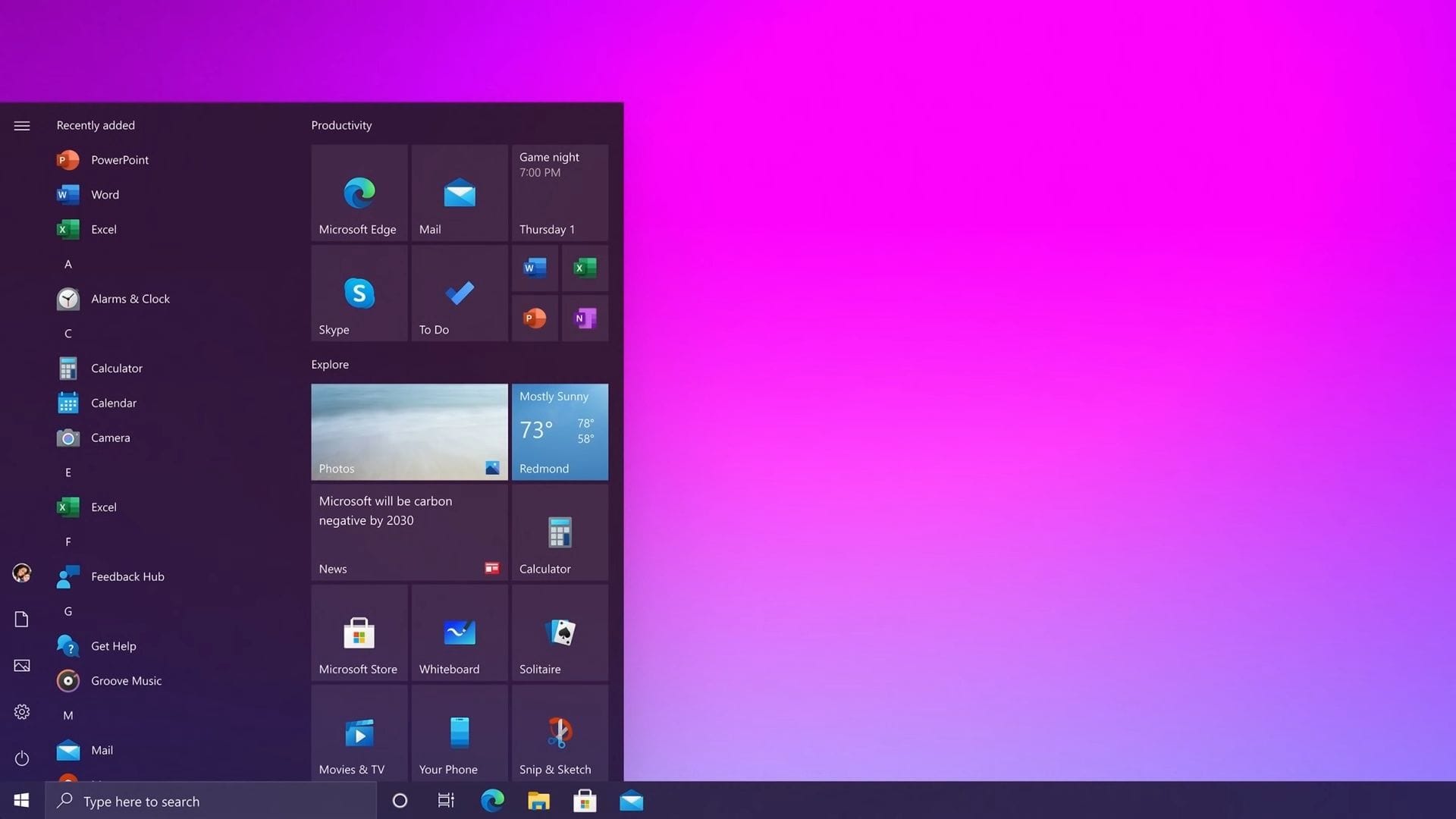
More than 25% of Steam gamers are still using Windows 10 nearly seven months after its October 14, 2025 end-of-life date. The article argues this persists because Windows 10 is perceived as more stable, lighter on older hardware, and less burdened by AI features, ads, and Microsoft account requirements than Windows 11. The main implication is a modest negative read-through for Windows 11 adoption, but the piece is largely commentary rather than market-moving news.
This is less a consumer-preference story than a delayed enterprise migration problem. The persistence of a large Windows 10 install base raises the probability that Microsoft monetizes through coercive upgrade pathways rather than voluntary adoption, which tends to be sentiment-negative for the core OS franchise in the near term but supportive for adjacent monetization layers over 6-18 months. The key second-order effect is that older machines with no upgrade path become a larger security and compliance liability, which can force a replacement cycle into PCs, managed security, and support services even if users resist the new OS.
For Microsoft, the market likely underestimates the friction between feature-rich software and user willingness to accept recurring UI/AI changes. If Windows 11 is perceived as heavier, that creates a paradox: every incremental AI insertion can slow migration while improving long-run monetization per user. The near-term loser is therefore upgrade velocity, not necessarily Windows economics; the longer-dated winner is any vendor positioned to sell remediation, hardening, or fleet refreshes to enterprises delaying the inevitable.
The contrarian read is that the headline adoption gap may already be close to peak bearishness for Windows 11. Consumer holdouts are sticky, but enterprise refresh budgets and security audits usually convert behavior with a lag, not a linear trend; once the backstop of patch support is removed, migration often accelerates in bursts rather than gradually. That means the risk is a false signal for a crowded short: immediate operating impact on MSFT should be modest, while the upside catalyst is a forced migration wave over the next 2-4 quarters if vulnerability chatter or policy enforcement intensifies.
AI-powered research, real-time alerts, and portfolio analytics for institutional investors.
Overall Sentiment
neutral
Sentiment Score
-0.05
Ticker Sentiment
