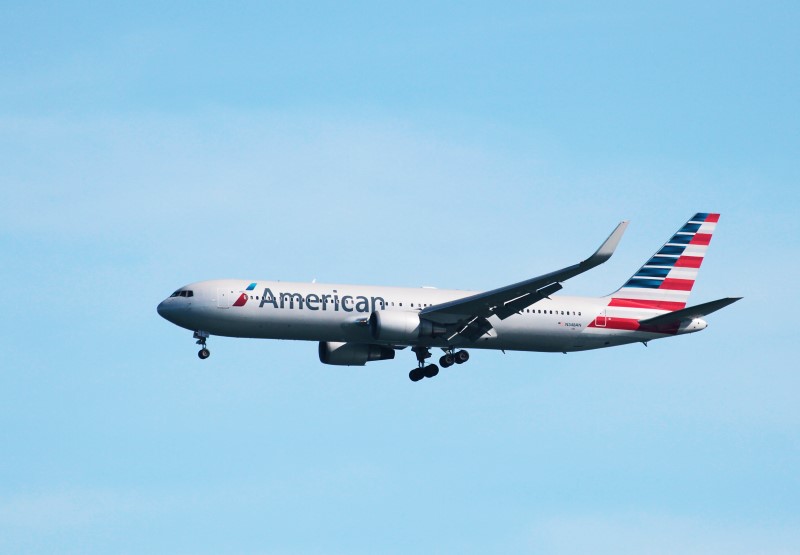
American Airlines fell 2.7% in premarket trading after rejecting any interest in a merger with United Airlines and saying no discussions had taken place. The article highlights regulatory and antitrust hurdles, with management arguing the deal would hurt competition and consumers. United had reportedly floated the idea to President Trump, but White House skepticism and competition concerns make a near-term tie-up unlikely.
The near-term read-through is asymmetric: AAL loses the optionality premium from being viewed as a viable consolidation target, while UAL gives back some speculative takeover upside but remains fundamentally less impaired because it can still argue for scale without needing a transaction. The market is likely underestimating how quickly this freezes industry-wide M&A expectations; once one large carrier publicly rejects the idea, financing, labor, and regulatory assumptions around a broader airline roll-up become meaningfully harder to underwrite for the next 6-12 months.
Second-order, the bigger loser may be the sector’s pricing discipline. If merger talk was a convenient way to justify capacity rationalization, its collapse raises the odds that competitive capacity stays higher for longer, which is a negative for unit revenue and margin restoration into the next booking season. That said, the absence of a deal also reduces the probability of a near-term antitrust overhang that could have compressed multiples across the group, so the reaction should be more negative for AAL than for UAL or the broader airline complex.
The contrarian point is that no-deal can be bullish for quality airlines if it forces a clean re-rating away from speculative M&A and back toward execution. UAL is better positioned to exploit this: it can still win share in international and premium cabins without deal execution risk, while AAL remains a weaker standalone asset if fuel or demand softens. If macro travel demand holds, the biggest beneficiary over 3-9 months may be non-merger airlines with stronger balance sheets, because the sector gets a clearer field to compete on operations rather than corporate structure.
AI-powered research, real-time alerts, and portfolio analytics for institutional investors.
Overall Sentiment
mildly negative
Sentiment Score
-0.18
Ticker Sentiment
