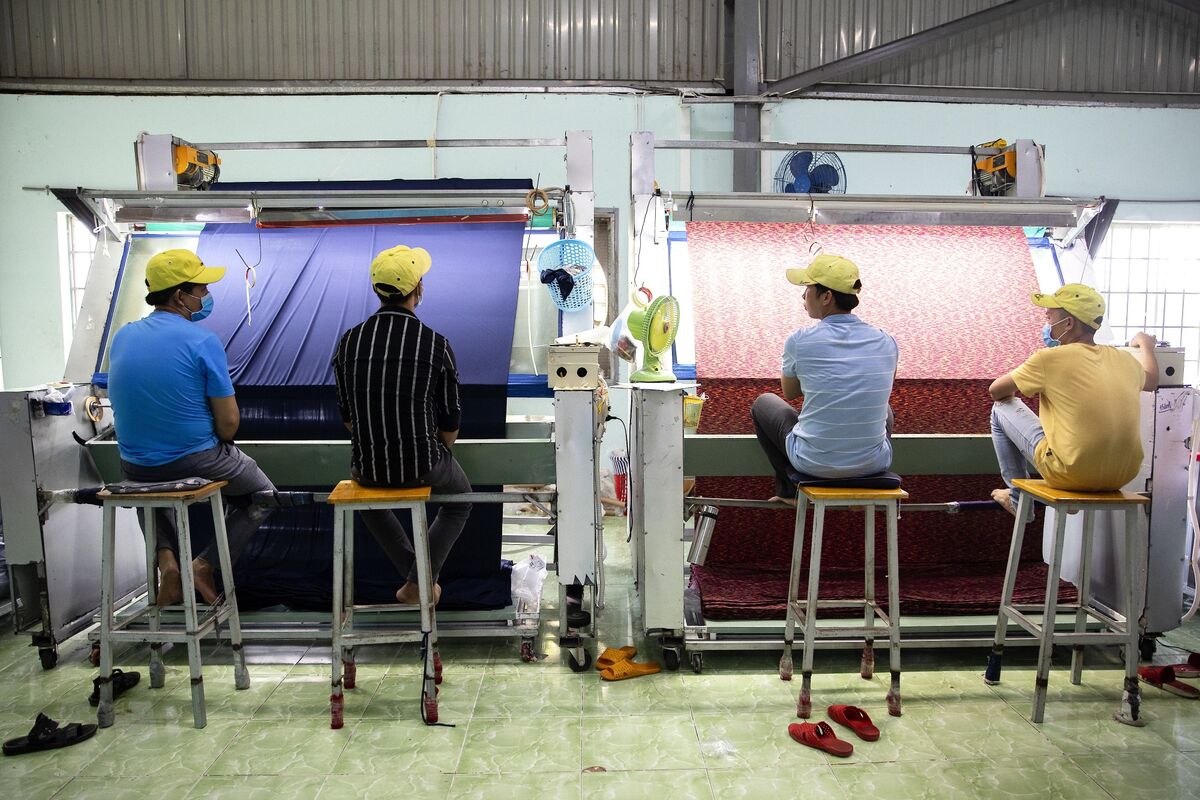
The U.S. and Vietnam are reportedly nearing a trade framework that would implement scaled tariffs on Vietnamese exports to the U.S., based on their foreign content percentage. Goods with the highest foreign component proportion could face tariffs of 20% or more, while those with less foreign content would incur reduced rates, and entirely Vietnamese products might retain the existing 10% levy. This potential shift, still under confidential discussion, signifies a move towards incentivizing domestic production and could significantly impact supply chain strategies for companies operating in Vietnam.
The United States and Vietnam are reportedly advancing toward a new trade framework that would introduce a scaled tariff system based on the foreign content of Vietnamese exports. According to sources familiar with the confidential negotiations, goods with the highest proportion of foreign components could face tariffs of 20% or more, a substantial increase from the current universal 10% levy. Conversely, products with a higher degree of local Vietnamese content would be subject to a lower rate, potentially remaining at the 10% level for goods made entirely within Vietnam. While details remain under discussion and are subject to change, this potential policy shift signals a significant move to penalize companies using Vietnam primarily for final-stage assembly of components sourced elsewhere. The framework would directly impact supply chain economics, creating a strong incentive for manufacturers to increase local sourcing and vertical integration within Vietnam to avoid the highest tariff bracket.
AI-powered research, real-time alerts, and portfolio analytics for institutional investors.
Request DemoOverall Sentiment
moderately negative
Sentiment Score
-0.50
