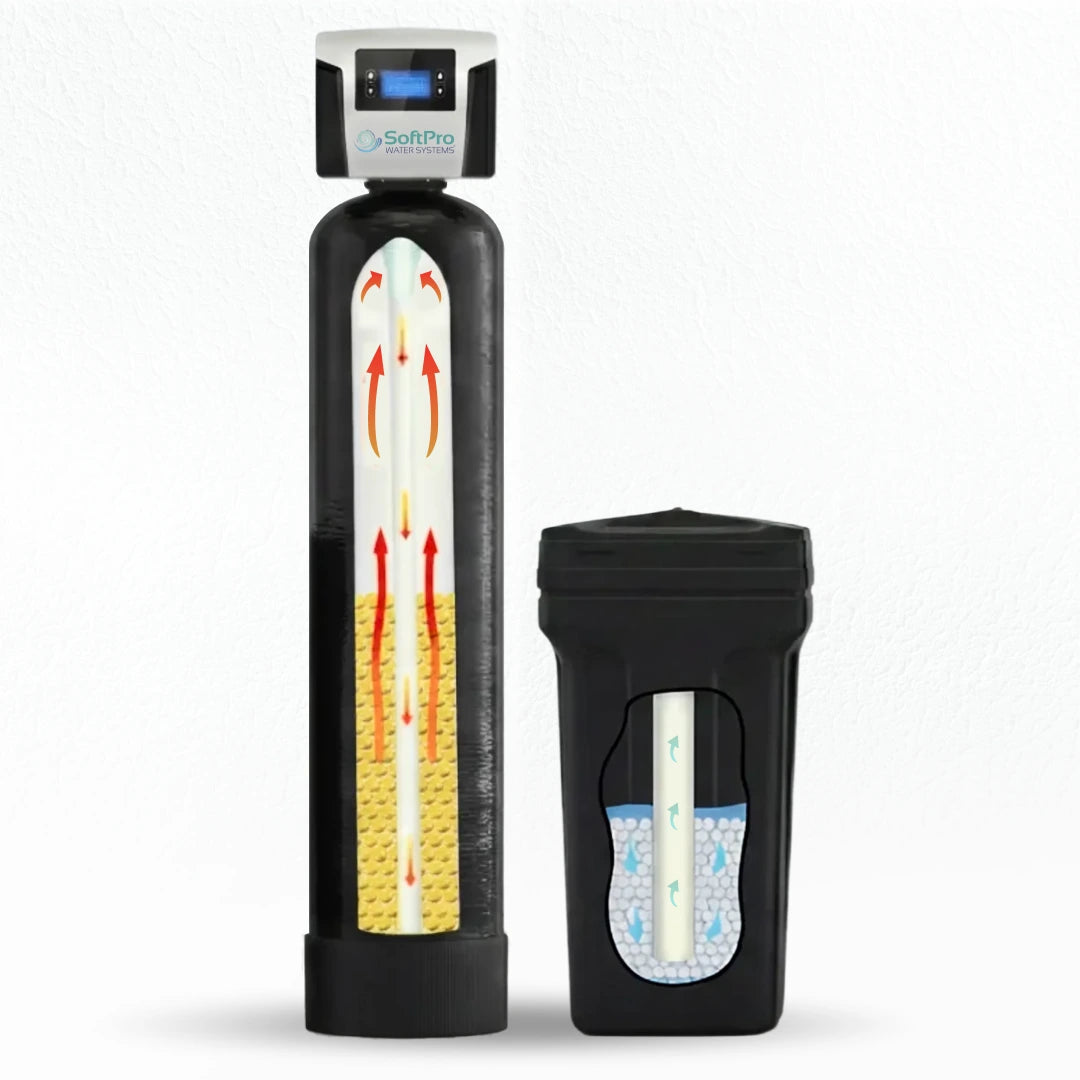
SoftPro Water Systems highlights rising municipal hard-water mineral content affecting ~85% of U.S. homes, citing risks like plumbing/appliance damage and higher operating costs. The company promotes its Elite Smart HE Water Softener for City Water, which uses demand-based regeneration to reduce salt/water use versus timer systems and claims water heaters can lose up to 48% efficiency over time under hard-water conditions. Overall, this is a product/consumer-awareness update with no reported financial results or guidance changes.
This reads like vendor-led demand generation, not a market-moving industry signal. The direct read-through to GOOGL is essentially nil; at most, a small SMB advertising bump from water-treatment sellers would be too diffuse to matter versus Google’s core auction mix. The right framing is not “hard water is bullish,” but that any incremental consumer awareness shifts a few basis points of spend from discretionary upgrades into maintenance/efficiency categories.
The second-order winners, if the trend is real and persistent, are the downstream channels that monetize household capex: HD, LOW, and possibly appliance/fixture names like WHR and AOS through replacement cycles and higher attach rates on water-heater and dishwasher sales. But this is a slow-burn, 6-18 month thesis, and only if municipal water-quality data broadens beyond a marketing narrative into sustained consumer behavior. Until then, the market impact is likely noise because the category is fragmented and the spend per household is lumpy.
The key risk is that the whole setup is over-interpreted from a single promotional release. Falsify any downstream thesis with flat retailer sell-through, no change in replacement rates, or no evidence of higher search intent/lead volumes over the next 1-3 months. If anything, the contrarian angle is that if hard-water complaints are genuinely rising, public markets may be underpricing a modest but broad efficiency-driven replacement cycle; still, this is not strong enough to force a position today.
AI-powered research, real-time alerts, and portfolio analytics for institutional investors.
Overall Sentiment
neutral
Sentiment Score
0.10
Ticker Sentiment
