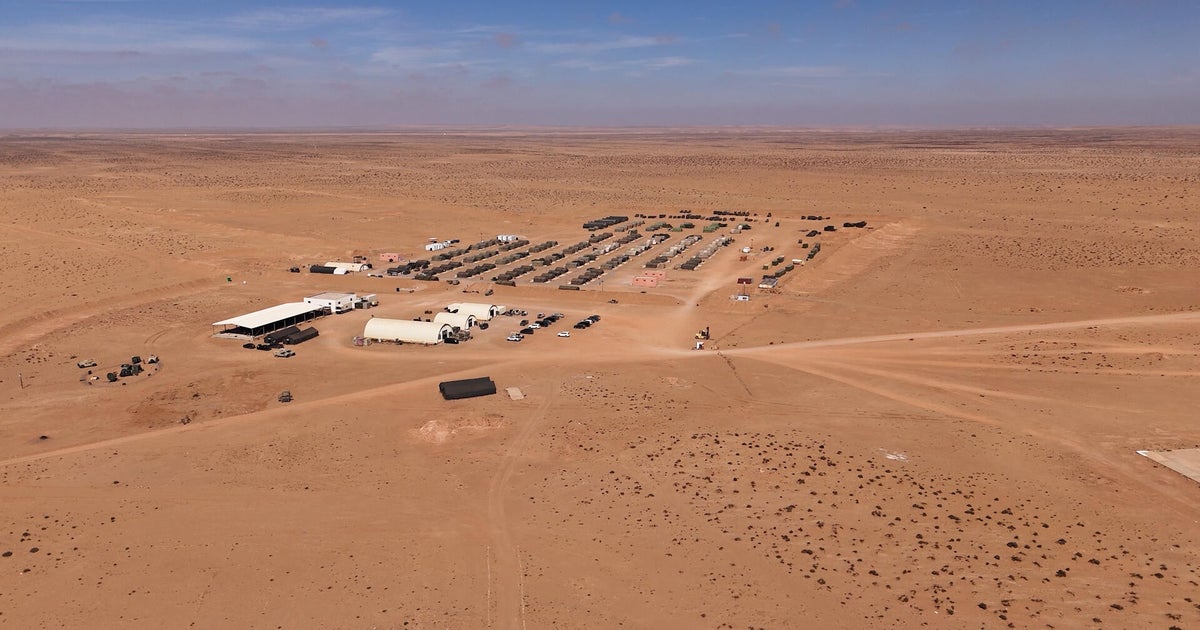
Two U.S. service members are missing during an annual training exercise in Morocco, with search and rescue operations underway near the Cap Draa Training Area. Officials said the soldiers were last seen near ocean cliffs and may have fallen into the ocean; no foul play is suspected. The African Lion exercise has been paused as U.S. and Moroccan military assets join the search.
The immediate market read is not about direct exposure to Morocco, but about operational fragility in multinational defense training pipelines. Exercises like this are increasingly embedded with drone, ISR, and autonomy vendors; any pause creates a short-term scheduling overhang for contractors whose near-term revenue recognition depends on throughput, acceptance testing, or demo-based procurement decisions. The first-order risk is small, but the second-order effect is that procurement timelines can slip by weeks if commanders deprioritize capability trials in favor of safety review.
The bigger signal is around NATO/AFRICOM readiness and partner-force interoperability: a visible incident in a marquee exercise will likely push higher spend toward safety systems, comms redundancy, maritime monitoring, and unmanned search-and-rescue tooling. That benefits primes and niche vendors with dual-use autonomy, sensors, and command-and-control software more than legacy platform names. It also modestly strengthens the argument for persistent funding of forward-deployed ISR and coast-surveillance assets, because the operational lesson is that remote terrain plus littoral interfaces create asymmetric exposure.
From a trading standpoint, the event is too small to justify a broad defense de-risking, but it can create a better entry point on names tied to autonomy and training realism if the market overreacts to the exercise pause. The contrarian angle is that headlines like this often lead to temporary scrutiny and then a budgetary response: more spend on safety, robotics, and situational awareness rather than less. Over the next 1-3 months, any official review that cites procedural gaps would be the catalyst to own the picks-and-shovels beneficiaries, not the headline risk itself.
AI-powered research, real-time alerts, and portfolio analytics for institutional investors.
Request DemoOverall Sentiment
mildly negative
Sentiment Score
-0.25
