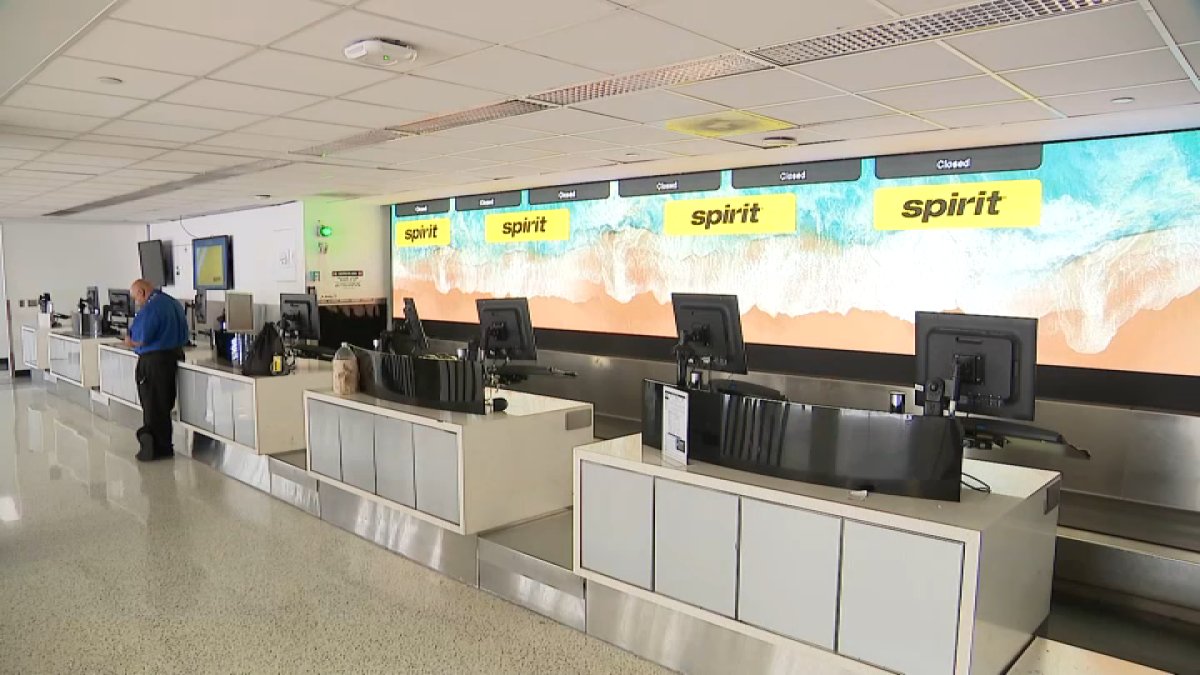
Spirit Airlines abruptly shut down operations effective immediately, canceling all flights and leaving travelers stranded, including at LAX. The airline said customers who booked directly will receive refunds, but some travelers face more than $8,000 in non-refundable vacation losses and have not yet been reimbursed. Federal officials are monitoring the disruption, while competitors American, Frontier and United are offering lower fares to affected passengers.
The immediate market read is not just a one-off carrier failure; it is a capacity shock in the lowest-fare segment, which tends to spill into incumbents fastest on short-haul leisure routes. That creates a near-term pricing tailwind for ULCC peers, but the bigger second-order effect is on consumers with weak balance sheets: when budget airfare disappears, ancillary spend at hotels, vacation rentals, and local attractions gets hit before travelers fully rebook. ABNB is exposed more through demand deferral than cancellation, since a meaningful share of trips tied to ultra-low-cost carriers are discretionary and can be postponed rather than replaced.
For airlines, the key variable is whether rivals keep fares disciplined or use the event to harvest yield. If major carriers opportunistically cap promotional inventory, the revenue benefit could last several booking cycles, but if capacity is redeployed aggressively the pricing lift fades within weeks. The risk is that stranded travelers shift to driving or staycation behavior, which improves road/rail alternatives and reduces the attach rate on lodging and rental cars for the next 1-2 quarters.
The contrarian view is that this is not automatically bullish for the larger leisure complex. A sudden collapse in one airline also raises consumer distrust in booking any ultra-low-cost travel product, which can push price-sensitive demand into shorter booking windows and lower prepayment conversion rates across the sector. That hurts ABNB specifically if guests become more cautious about non-refundable trips, because the article highlights a willingness to spend on fixed vacation costs only when air travel is secure; once that confidence breaks, trip planning elasticity rises and reservation volumes can soften even as headline travel intent remains intact.
Regulatory follow-through is the main medium-term catalyst to watch. If officials pressure competitors or impose refund/consumer-protection measures, there is a small but real risk that the event becomes a template for broader scrutiny of airline pricing and disclosure, which would compress margins across the low-fare stack. Near term, the trade is less about bankruptcy contagion and more about temporary reallocation of demand and a sharp repricing of carrier reliability.
AI-powered research, real-time alerts, and portfolio analytics for institutional investors.
Request DemoOverall Sentiment
strongly negative
Sentiment Score
-0.70
Ticker Sentiment
