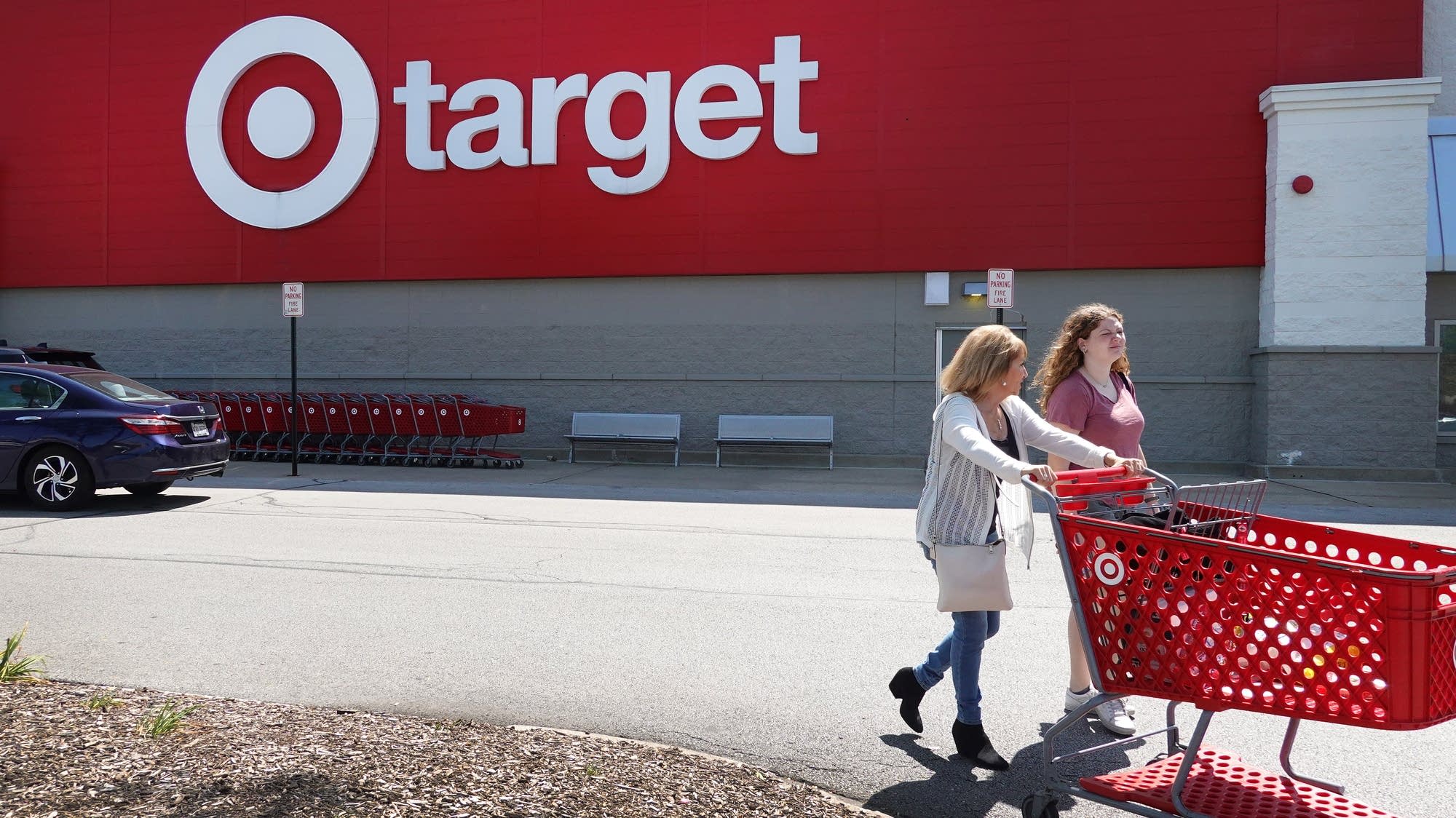
Target posted its strongest comparable sales growth in four years in the first quarter, indicating a meaningful improvement in underlying retail demand. The result points to healthier traffic and spending trends at the big-box retailer, which should support investor confidence in its operating momentum. The article is primarily an operating update and is likely to be relevant to Target shares and retail peers.
The key signal is not just a better quarter, but a potential inflection in elastic demand for middle-income discretionary retail after a long period of trade-down behavior. If this is being driven by broader basket expansion rather than one-off category mix, it argues the consumer is less brittle than feared and that value-positioned omnichannel retailers can still take share from higher-end and off-price peers. The second-order effect is margin competition: if traffic is stabilizing, suppliers may have less room to push promotions, which can support gross margin durability across the sector over the next 1-2 quarters.
The more interesting setup is relative performance versus peers. A credible improvement at a large-format general merchandiser usually pressures the read-through on Walmart, Costco, and dollar stores in different ways: WMT and COST risk being priced as defensive winners with less incremental upside if value demand is broadening, while DG/DLTR face the most direct threat if customers are trading back up for assortment and convenience. That said, the strongest sales print can also be a trap if it is driven by temporary promotional intensity or inventory normalization; in that case, the follow-through in earnings power may be muted even if headline demand looks strong.
From a timing perspective, the next catalyst window is the upcoming commentary on second-quarter margin and traffic trends. If management confirms that growth is coming from more full-price selling and not just lapping easy comps, the market could re-rate the stock over a multi-month horizon; if not, the move likely fades quickly because consensus will treat it as a one-quarter anomaly. The contrarian risk is that investors overpay for a cyclical peak in consumer stabilization right as freight, wage, and shrink pressures re-accelerate into the back half of the year.
AI-powered research, real-time alerts, and portfolio analytics for institutional investors.
Request DemoOverall Sentiment
moderately positive
Sentiment Score
0.45
Ticker Sentiment
