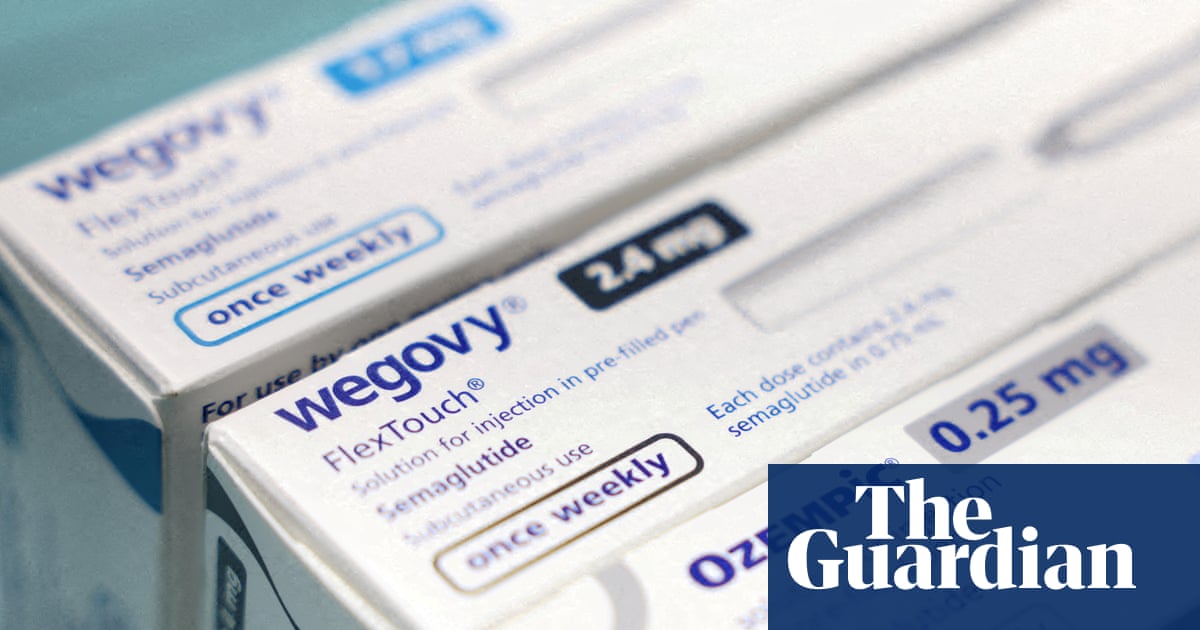
State and city Medicaid programs are pulling back GLP-1 obesity-drug coverage as spending surged from $13.7bn in 2018 to $71.7bn in 2023, with Pennsylvania alone spending $1.3bn in 2025, up 2x year over year. California, New Hampshire, Pennsylvania and South Carolina have ended or narrowed coverage, while Michigan now restricts access to patients with BMI above 40. The move may ease near-term budgets but increases access risk for drug demand and could shift costs to other obesity-related healthcare spending.
The key second-order effect is that GLP-1 demand is transitioning from a broad healthcare benefit story into a state-level budget line item with political sensitivity, which raises the odds of uneven access rather than a clean secular slowdown. That creates a bifurcated market: commercial lives and higher-income self-pay patients remain relatively insulated, while Medicaid and municipal plans become the marginal demand destroyers. In practice, that should shift volume growth from “coverage expansion” to a mix of cash-pay, employer-sponsored, and manufacturer-supported access programs, which likely preserves category growth but compresses the surprise factor in utilization.
The near-term loser is not just the drug makers; it is also the ecosystem built around downstream obesity management. If coverage tightens, expect a lagged increase in untreated comorbidity costs, but those costs will fall outside current budget cycles, making the political incentive to cut stronger than the actuarial logic to maintain coverage. That asymmetry favors near-term fiscal savings over long-dated health outcomes, meaning the current pullback can persist for multiple budget seasons even if it proves economically suboptimal over 2-5 years.
The market may be underappreciating the pricing power transfer from public payers to manufacturers. As states retreat, manufacturers can ration access via prior auth, assistance programs, and differential pricing without having to cut headline list prices immediately; the real margin pressure only arrives if competitive intensity broadens faster than expected. Conversely, the biggest upside catalyst is a credible “subscription” or rebate architecture adopted by a large state, which would validate a new procurement model and likely re-rate access expectations across the group.
The contrarian view is that this is less a demand problem than a payer mix problem. Because obesity treatment remains underpenetrated relative to clinical need, the unit growth runway is intact even if public coverage contracts; the incremental buyer simply shifts toward higher-ability-to-pay channels. If the next 6-12 months bring additional step edits rather than outright exclusions, sentiment could stabilize faster than the headline debate suggests.
AI-powered research, real-time alerts, and portfolio analytics for institutional investors.
Request TrialOverall Sentiment
mildly negative
Sentiment Score
-0.25
