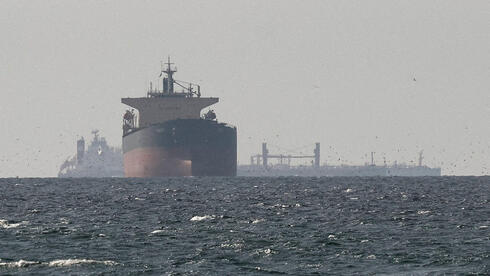
About 20% of global oil transits the Strait of Hormuz; Iran's wartime blockade has cut daily passages from ~130+ to 3–4 and stranded ~2,000 ships and ~20,000 crew, with >20 commercial vessels attacked — actions that have driven up oil and gas prices. Iran is selectively allowing ships from allied countries (China, India, Pakistan, Malaysia, Iraq) via monitored territorial routes, has discussed imposing a "transit fee," and accepted payments in at least one instance, while some vessels use flags from Aruba, Palau and Madagascar. Key importers (India, Japan, Iraq) are negotiating bilateral arrangements, but Iran's new supreme leader endorses continued closure, sustaining downside geopolitical risk to energy markets and global supply chains.
Iran’s effective gatekeeping of Hormuz has created a new rent-extraction layer on top of existing geopolitical risk: whether labeled a “transit fee” or informal payments through intermediaries, this becomes a recurring, enforceable cost that is sticky and visible to market participants. That stickiness matters because maritime transport costs and insurance premium resets historically persist for quarters after a shock, so expect a sustained wedge between headline crude prices and landed-in-market economics for importers in Asia and Europe.
The immediate winners are balance-sheet-light owners of tankers and the shadow fleet that can credibly accept elevated operational risk; their asset values and TCE (time-charter equivalent) upside is convex to short-term spikes in route disruption. Equally underappreciated are marine brokers and specialty reinsurers—these firms are positioned to capture outsized pricing power as arm’s-length carriers shift from open-market spot to negotiated, higher-fee transits and bespoke risk-bearing arrangements.
Tail risks bifurcate by timeframe: in days, a miscalculated strike or mis-navigation could ignite a broad insurance pullback and a violent freight spike; over months, diplomatic carve-outs (managed reopenings to friendly states) are the likeliest path that monetizes Iranian leverage without collapsing global trade. The consensus oil-price shock narrative is incomplete — the economic impact is as much a logistics/insurance re-pricing story as it is a crude supply story, so trade structures that isolate freight/insurance exposure from outright crude direction will outperform across plausible outcomes.
AI-powered research, real-time alerts, and portfolio analytics for institutional investors.
Request DemoOverall Sentiment
strongly negative
Sentiment Score
-0.70
Ticker Sentiment
