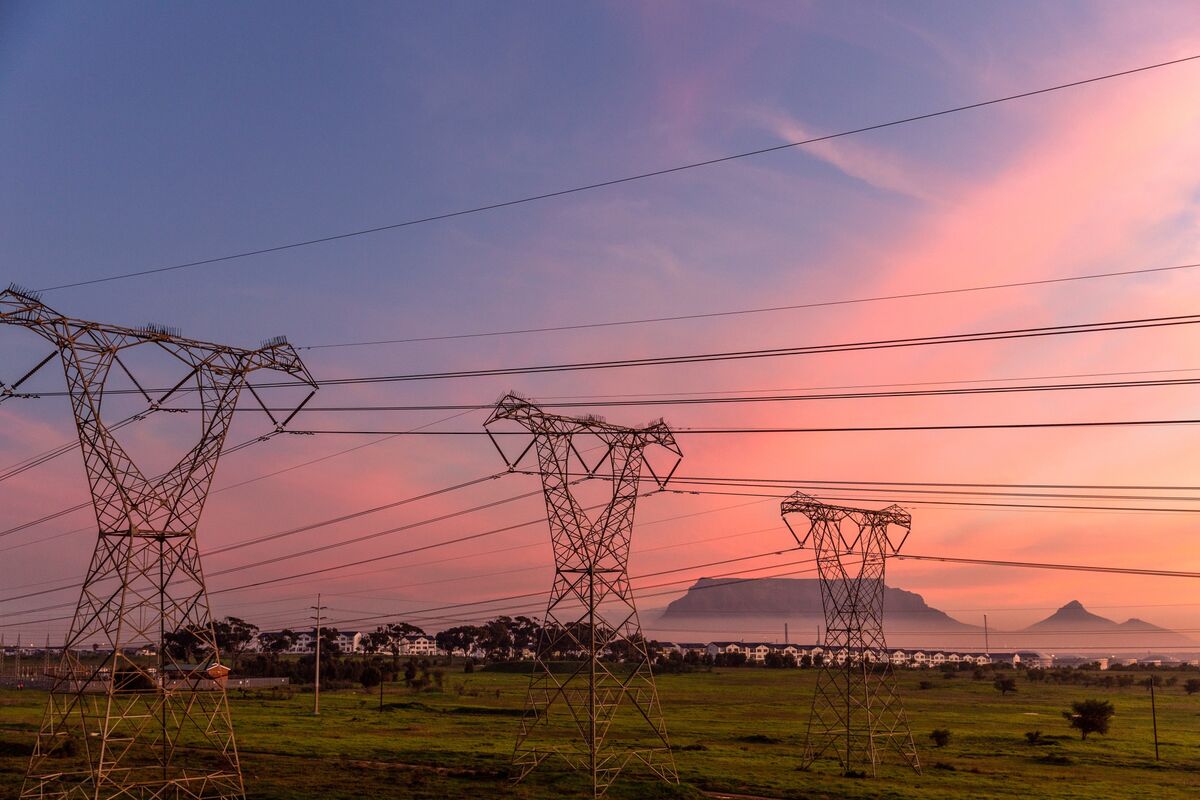
Eskom Chairman Mteto Nyati warned that global demand for transmission lines could raise the cost of South Africa’s planned 440 billion-rand (about $25.4 billion) national grid upgrade, which envisages installing roughly 14,000 km of lines over the next decade to connect new renewable projects. The potential for higher materials and construction prices threatens the affordability of the expansion even as Eskom seeks to grow a clean-power unit and cut overall costs, implying upside to capital expenditure, project risk and pressure on the utility’s finances that investors and project financiers should monitor.
Market structure: Higher transmission-capex raises bargaining power for global cable and tower suppliers with constrained manufacturing; expect orderbook consolidation where Prysmian/Nexans/ABB can push through 5–15% price uplifts on multi-year contracts while smaller local contractors see margin erosion and potential market exit within 12–24 months. Project financiers and rated corporates in South Africa face roll-up of capex risk into sovereign and utility spreads; a 50–150bp move in SA 10y yields would materially increase financing cost for the grid program and shift returns on renewables projects below investor IRR hurdles.
Risk assessment: Tail risks include sovereign support withdrawal or a tender cancellation that triggers 200–500bp sovereign spread widening and hard default dynamics for project SPVs; operational tails include a 6–18 month supply-chain delay from China that spikes conductor prices >25%. In the short run (days–weeks) volatility will center on FX and CDS; in 3–12 months, bank exposure and capital markets access determine project continuity; long-term (2–5 years) the key risk is stranded asset exposure if renewables rollout slows.
Trade implications: Favor selectively long global cable/equipment leaders (capable of passing through input inflation) and commodity plays (aluminum/copper) for 3–12 month cycles, hedge country/sovereign exposure via USDZAR/SA CDS instruments, and use EZA puts to express downside in SA equities if SA rates widen >50bp. Prioritize liquid option structures (3–9 month call spreads on ABB/PRY; 3-month put structures on EZA) to control cost and timing.
Contrarian angles: Consensus focuses on pure-cost increases; underappreciated is potential re-pricing of project contracts that could create multi-year order visibility for global suppliers and push commodity demand sustainably higher by 5–10% annually. The knee-jerk negative move in SA equities could be overdone if government backstops financing; asymmetric opportunities exist buying selective SA exporters and global equipment makers after a >10% drawdown, while avoiding long-duration SA financials until sovereign spreads stabilize.
AI-powered research, real-time alerts, and portfolio analytics for institutional investors.
Request DemoOverall Sentiment
moderately negative
Sentiment Score
-0.32
