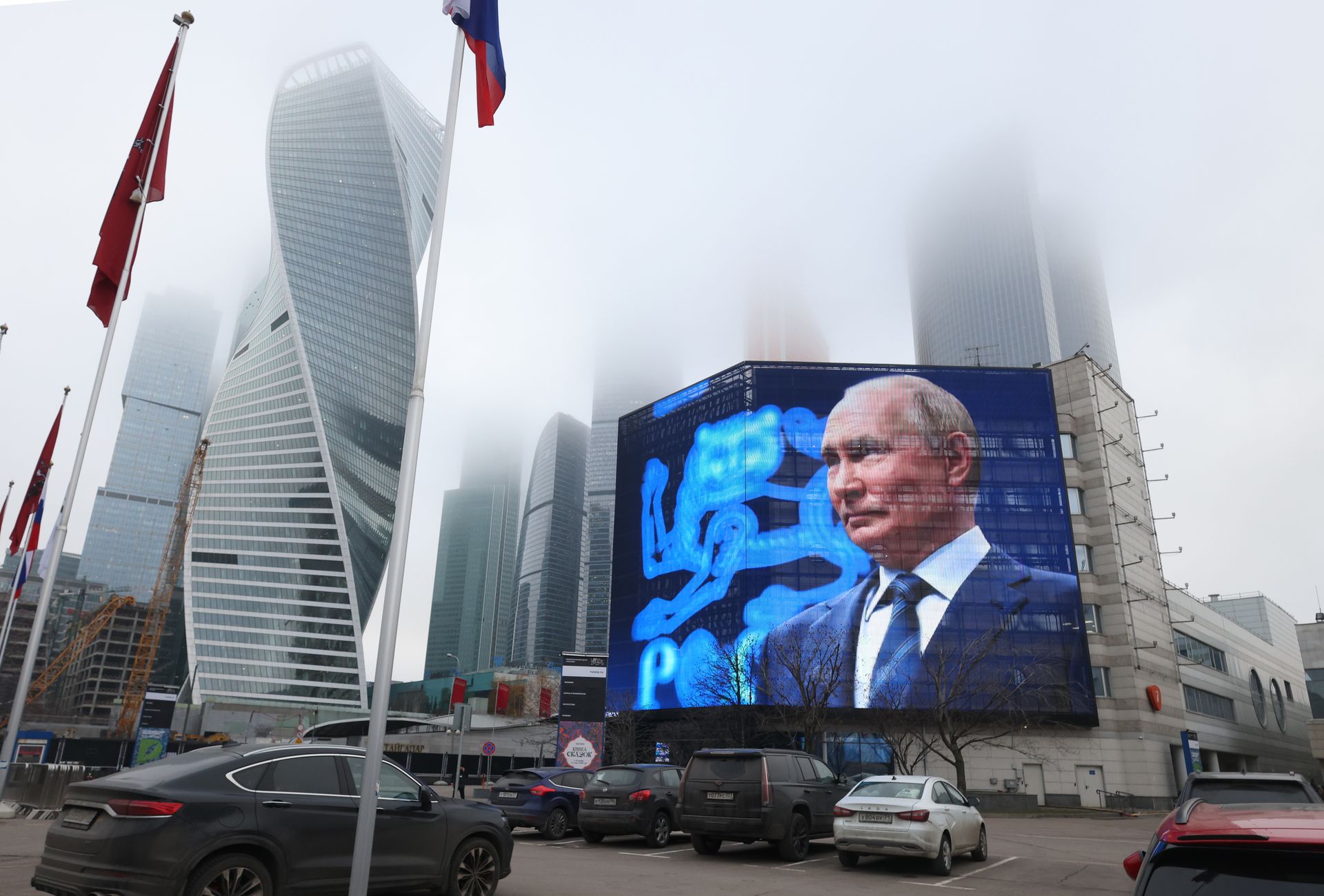
Authorities in Moscow have implemented an internet 'whitelist' during widespread mobile outages, following a week of disruptions and instructions to ISPs to restrict connectivity; President Putin has signed a law enabling telecoms to suspend services at the FSB's request. Independent data show >11,900 outages in Russia over seven months, totaling 37,166 outage hours and affecting roughly 146 million people; consumer demand for alternative comms and printed maps spiked (printed atlas/travel guide purchases rose 48% between March 6-10). The measures — including a state-led digital platform and tighter limits on Telegram/WhatsApp — signal broader state control of the digital ecosystem and elevated operational and reputational risks for digital and telecom exposures in Russia.
This episode is best read as a shock to the resilience of modern digital distribution channels rather than an isolated censorship move. In the near term expect a clear shift from zero‑marginal‑cost, cloud‑native messaging toward physical and satellite‑based fallbacks; that reallocates a small but material bucket of consumer spend (hardware, retail fulfillment, specialty parts) into companies that can supply offline communications and last‑mile redundancy.
Over a 6–24 month horizon, telecom operators will re‑prioritize capital toward network segmentation, on‑ramps for state‑approved services, and vendor certification/compliance rather than pure capacity expansion. Vendors that sell lawful‑intercept, deep‑packet inspection, and “sovereignization” toolkits should see programmatic RFP flow, while open‑platform global cloud/edge players face either forced local partnerships or write‑downs — a structural rerating risk for equipment makers with concentrated exposure to markets that adopt similar controls.
Tail scenarios matter: rapid deployment of low‑earth‑orbit satellite services or open‑mesh firmware could blunt the opportunity for satellite vendors but simultaneously raise legal and sanctions risk for western suppliers trying to serve those markets. Conversely, protracted fragmentation raises capex cycles for regional domestic suppliers and increases sovereign credit and FX volatility — creating both directional alpha and hedging trades across equities, options, and sovereign credit instruments.
AI-powered research, real-time alerts, and portfolio analytics for institutional investors.
Request DemoOverall Sentiment
mildly negative
Sentiment Score
-0.35
