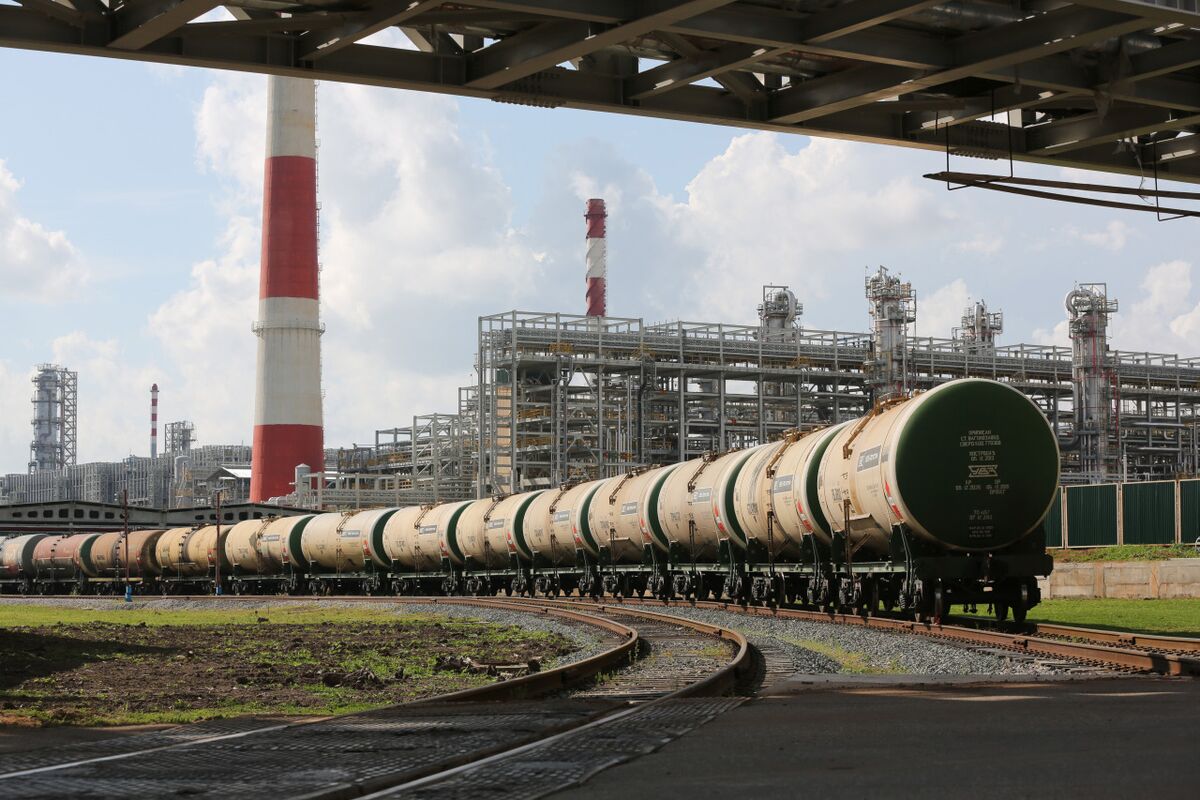
Russia is considering banning diesel and jet fuel exports, with the decision reportedly at an advanced stage but no date set yet. The move follows refinery run rates falling to multi-year lows amid escalating Ukrainian attacks, which could tighten regional fuel supply and support product prices. The development is likely to matter for global refined-product markets and Russian export flows.
A Russian diesel/jet export curb is more important as a distillate squeeze than as a crude story. The market usually underprices how quickly a refining disruption in a large marginal exporter widens the Atlantic Basin clean-product arb: European middle distillate balances tighten first, then prompt spreads reprice through higher freight, higher blending costs, and a wider crack structure that can persist for weeks even if the policy is only partially implemented. If the restriction is staged rather than absolute, the bigger impact may come from administrative uncertainty, which tends to freeze cargo nominations and lift prompt premiums before physical barrels disappear.
The second-order winner set is broader than just refineries. US Gulf Coast and Middle East exporters with spare distillate capacity gain pricing power, while airline operators and trucking/logistics-heavy sectors face a delayed but meaningful input-cost shock if jet fuel follows diesel higher. A less obvious beneficiary is U.S. refiners with complex conversion units and export access: they can arbitrage wider international diesel spreads without needing a crude price spike, and the effect is amplified if Russian domestic outages keep run rates suppressed into the next maintenance season.
The key risk is timing: this is a policy headline that can move crack spreads in days, but the physical shortage only compounds over 2-6 weeks if export volumes stay constrained and refiners cannot quickly restore throughput. The biggest reversal catalyst would be a short-lived administrative scare followed by exemptions, quota allocations, or a partial relaxation once domestic fuel prices stabilize. Longer term, continued attacks create a structural premium on non-Russian distillate supply, but near-term pricing can overshoot if traders assume a full ban before enforcement details are clear.
Consensus may be too focused on crude retaliation and not enough on refined-product substitution. If Russian exports are curtailed, the immediate trade is not energy beta broadly; it is a relative value trade in distillates versus crude and in refiners versus E&Ps. The move is probably underdone in the options market because the tail risk is not a straight oil rally, but a regional diesel shortage that can hit airlines, trucking, and European industrial margins before headline Brent moves much.
AI-powered research, real-time alerts, and portfolio analytics for institutional investors.
Request DemoOverall Sentiment
moderately negative
Sentiment Score
-0.45
