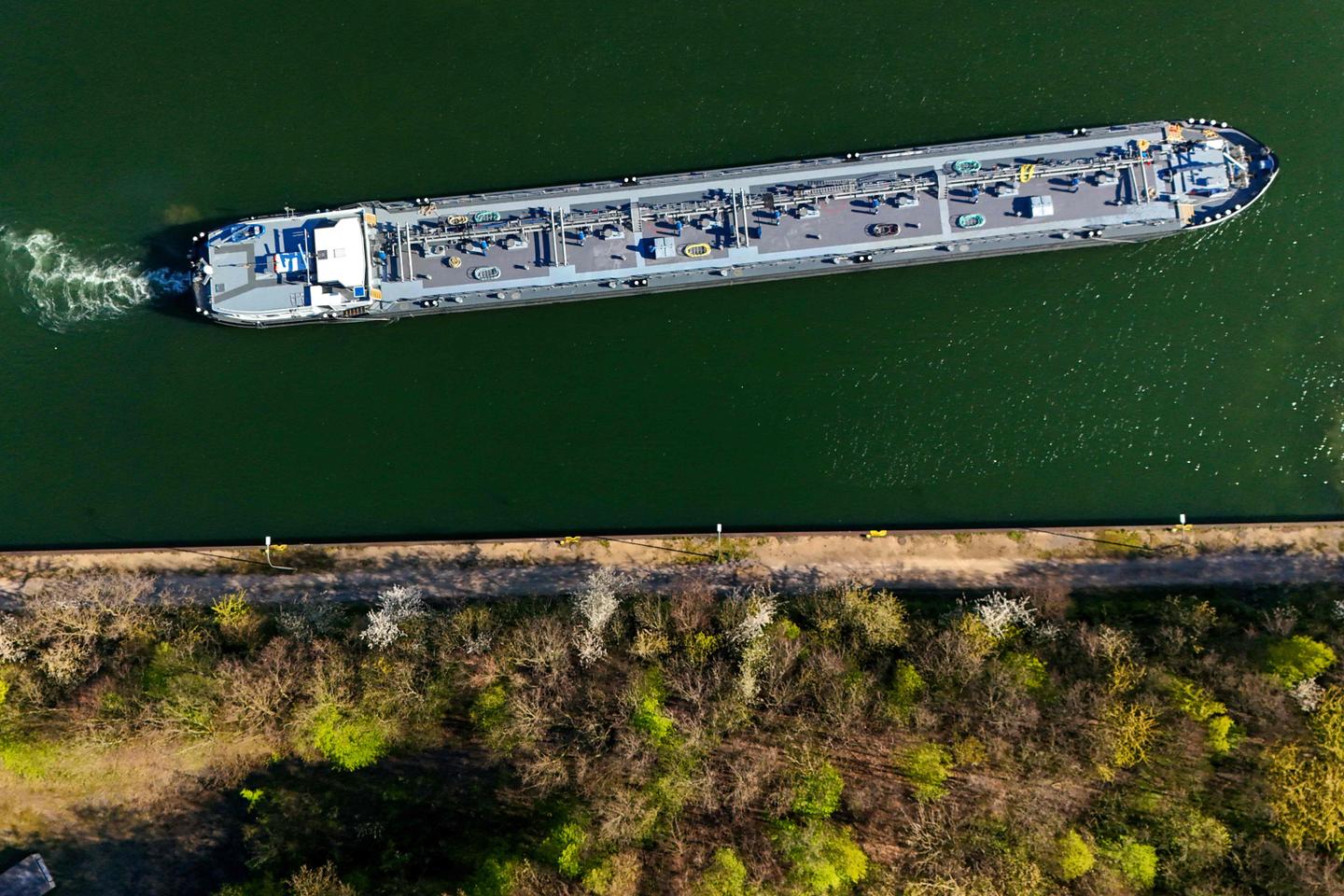
The first non-Iranian oil tanker (Gabon‑flagged MSG) transited the Strait of Hormuz on April 9 carrying ~7,000 tonnes of Emirati fuel oil — the first such transit since the fragile ceasefire. Traffic has not meaningfully reopened: only two other tankers (Iran‑flagged) and six bulk carriers have passed since the truce, and Kpler expects transit capacity to remain constrained at roughly 10–15 passages/day versus ~120 daily peacetime transits. From March 1–April 8 there were 315 commodity carrier crossings, 202 by oil and gas tankers, most heading east toward the Gulf of Oman, underscoring continued regional routing and supply risk.
Immediate second-order winners are price-insensitive owners of mid/long-haul tanker capacity and specialty war-risk insurers; constrained Strait throughput converts fixed-distance barrels into a duration product, favoring asset owners who can monetize extra days at inflated spot TCs. Rerouting around Africa effectively adds ~10-14 days to voyages and an incremental cash cost broadly equivalent to a few tenths to low single dollars per barrel, which compresses nearby refinery margins in user markets and creates a predictable pick-up in freight-backed arbitrage opportunities over the next 2-8 weeks.
Commodity traders and refiners with flexible feedstock intake (notably those able to switch grades or source from non-Gulf suppliers) will capture outsized optionality; they can buy Gulf cargoes on contango and sell into tight regional crack spreads if transit remains constrained for multiple weeks. Conversely, short-cycle demand-exposed sectors (airlines, some chemical feedstock converters) will suffer margin pressure if the situation persists beyond a month, as fuel hedges roll and spot premiums affect procurement costs.
Key catalysts to watch: (1) diplomatic follow-through on the ceasefire within days (normalizes flows quickly and collapses freight/insurance premia); (2) any asymmetric escalation or targeted interdictions (could shut chokepoint for weeks and force broad rerouting); (3) coordinated SPR releases or rapid alternative supply flows from Russia/US (can neutralize crude price effects within 2-6 weeks). The balance of these catalysts makes this a high-conviction, short-to-medium duration trade window — 2 weeks to 3 months for freight/insurance plays, 3-6 months for re-pricing in related equities.
AI-powered research, real-time alerts, and portfolio analytics for institutional investors.
Request DemoOverall Sentiment
neutral
Sentiment Score
0.00
