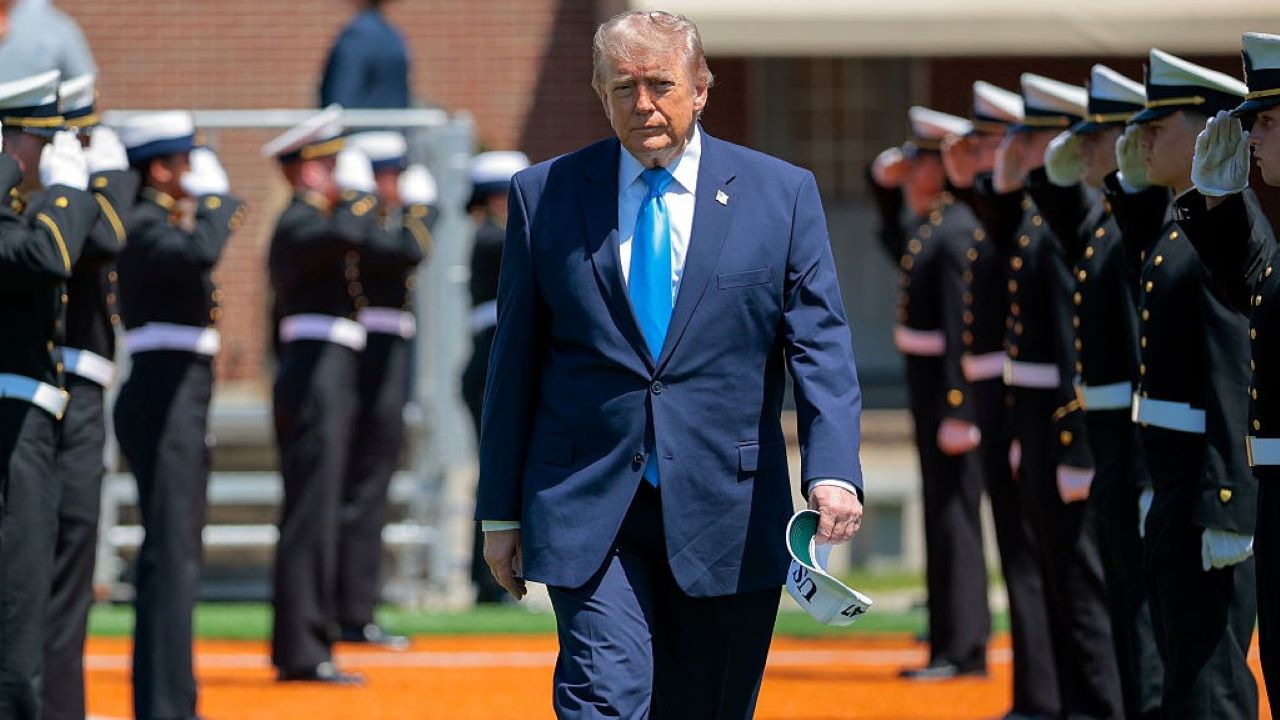
The article centers on a proposed Iran-U.S. interim deal that would reopen the Strait of Hormuz, with Iran receiving oil sanctions waivers and release of frozen funds worth billions of dollars while U.S. forces remain nearby for 30 days. The deal is still conditional on Iranian acceptance and compliance, and President Trump reportedly insisted on dismantling Iran’s nuclear program and removing all enriched uranium before any final agreement. The geopolitical backdrop remains highly sensitive for energy markets because any disruption to Hormuz could affect a major share of global oil flows.
The market is likely underpricing the difference between a de-escalation headline and a durable reopening of the Strait. Even if the diplomatic path holds, the next 2-4 weeks still carry a meaningful tail risk of incidental disruption because military posture remains forward-deployed while compliance is tested; that makes this a volatility event first and a supply event second. The first beneficiaries are not just crude producers, but freight, tanker rates, and LNG/shipping optionality, because even a partial normalization can leave insurance premia and route uncertainty elevated longer than spot oil prices.
Second-order, the biggest loser may be any asset that has already priced in an immediate risk-off unwind: Middle East energy equities, defense-adjacent names, and short-vol structures tied to oil can all mean-revert quickly if the deal is perceived as fragile but real. The harder-to-trade implication is for emerging markets with large external financing needs and energy import exposure; a sustained reduction in Gulf risk would ease current-account pressure and support high-beta importers, but only after the market sees a few weeks of uninterrupted transit. That argues for fading the most extreme geopolitical premium rather than chasing outright bearish oil too early.
The key contrarian read is that sanctions relief can be bullish for global energy supply without being bearish for prices if it also unlocks latent Iranian barrels slowly and leaves OPEC+ cohesion intact. In that case, the near-term effect is lower tail risk rather than a large step-down in Brent, while the medium-term effect is more competition for lower-quality barrels and weaker pricing power for sanctioned supply chains. The real catalyst to watch is not the announcement, but whether the agreement survives the first compliance check and whether insurance/shipping rates begin to normalize over the next 30-60 days.
AI-powered research, real-time alerts, and portfolio analytics for institutional investors.
Request DemoOverall Sentiment
mildly negative
Sentiment Score
-0.15
