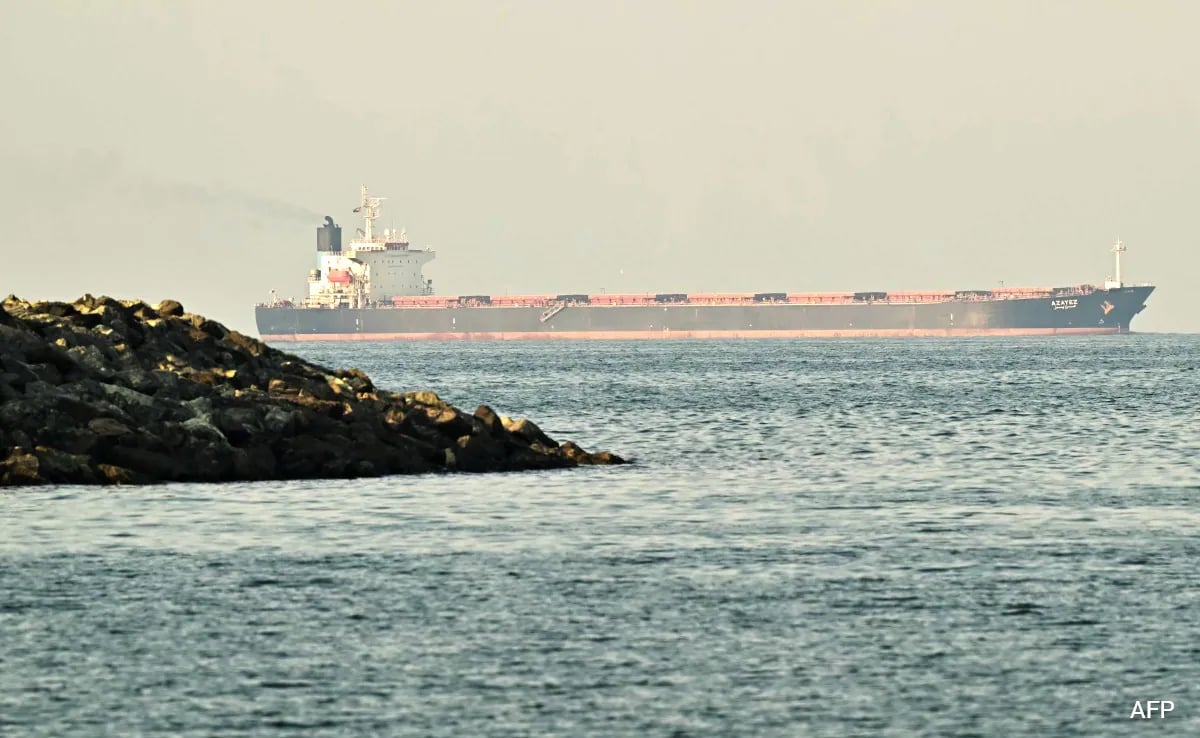
Oil prices swung roughly 30% intraday after US Energy Secretary Chris Wright posted then deleted a false claim that the US Navy had escorted a tanker through the Strait of Hormuz; the White House denied any escort. The miscaptioned post triggered a sharp sell-off and amplified volatility amid an ongoing Middle East war that has seen at least 10 tankers struck or targeted between March 1–10 and halted most commercial traffic through a waterway that transits about 20% of global oil flows. With major Gulf producers cutting output and Tehran vowing no exports while the war continues, supply disruptions pose sustained upside risk to crude and elevated market volatility.
Headline-driven noise around critical maritime chokepoints routinely produces outsized, short-lived moves in crude and freight markets because algorithmic flows and leveraged CTAs amplify intraday dislocations. These moves commonly reverse within 24–72 hours once clarity returns, but they leave a longer-lived imprint via higher insurance premia and precautionary operational changes by charterers.
Insurance and operational frictions are the slow burners: war-risk and P&I repricing, plus voluntary layups or routing changes, typically take weeks-to-months to materialize and can cut effective throughput by low-single-digit percentages of seaborne capacity while boosting spot freight by multiples. That transmission (insurance → higher voyage costs → idled capacity → tighter physical availability) is where persistent backwardation and tanker equity outperformance originate.
Winners in a sustained premium environment are listed tanker owners and specialist marine reinsurers; losers are high-throughput refiners and exporters whose barrels become harder to move, plus short-duration volatility sellers who get clipped by headline spikes. Defense contractors and logistics coordinators are optionality plays: they benefit only if governments move from assurances to sustained escort operations, a binary catalyst with asymmetric upside for equities but high policy risk.
Key near-term catalysts that could reverse the current pricing regime are a credible, multi-lateral insurance/escorting backstop or a diplomatic de-escalation; conversely, even a single successful attack on large-volume shipping can ratchet premiums materially higher for months. Trading approaches should therefore separate fast headline-driven mean reversion from the slower insurance/throughput re-pricing theme and use options to manage asymmetric tail risk.
AI-powered research, real-time alerts, and portfolio analytics for institutional investors.
Request DemoOverall Sentiment
strongly negative
Sentiment Score
-0.55
