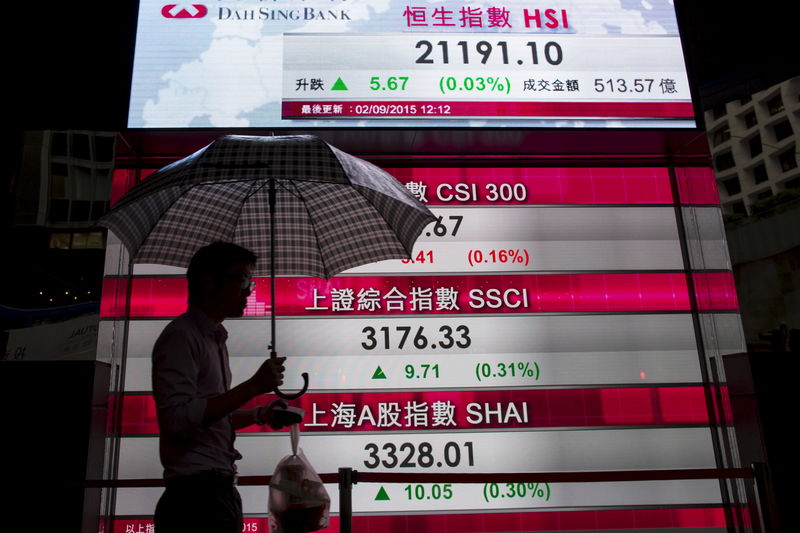
Asian markets sold off sharply, with South Korea’s KOSPI plunging 5.7% and Japan’s Nikkei 225 falling 3.9% as investors rotated out of technology after Apple fell more than 6% and raised prices to offset higher chip costs. Samsung and SK Hynix dropped over 6% each, SoftBank slid about 13%, and Nasdaq 100 futures were down about 0.8% as the tech rally reversed despite Micron’s strong earnings. June Tokyo core CPI rose to 1.6% year-on-year, keeping Bank of Japan tightening expectations alive, while U.S. futures and broader Asian indices also traded lower.
The key read-through is that the market is no longer rewarding “AI exposure” indiscriminately; it is re-pricing the duration and funding burden of the AI capex cycle. When end-demand leaders like AAPL start passing through higher input costs, that is usually a late-cycle signal for the trade: suppliers benefit near-term, but the broader ecosystem faces margin pressure and multiple compression as investors question how much of the infrastructure spend is self-funding versus demand destruction.
MU remains the cleaner relative winner because the market is still underestimating how sticky memory pricing can be once supply discipline meets AI demand. But the better expression is not outright beta long tech; it is selective long semis vs. short hardware/consumer electronics where pricing power is weakest and inventory cycles are longest. AAPL’s move also matters for sentiment because it can pull down the entire “AI winners” complex by showing that even premium brands are not immune to cost inflation, which tends to matter most over the next 1-3 quarters as estimates get revised.
QCOM is the stealth beneficiary of the rotation if investors keep rotating from speculative AI infrastructure into monetizable edge-AI and handset replacement narratives. The market is likely too focused on near-term multiples and not enough on the second-order effect that rising device prices can delay unit growth while increasing urgency for premium feature differentiation, which favors chip content per device but hurts volume names. On the macro side, the combination of softer rate-cut expectations and quarter-end de-risking makes this move more about positioning than fundamentals, which argues for tactical rather than structural shorts.
The contrarian view is that the selloff in Asia semis may be overdone if this is primarily a profit-taking event after a sharp multi-day run. If memory lead times and capex discipline remain intact, MU could continue to outperform over the next 2-6 months even if the broader Nasdaq stays choppy. The bigger risk is that this becomes a self-reinforcing de-rating of the entire AI basket into earnings season, especially if management teams start emphasizing higher component costs and slower conversion of AI enthusiasm into revenue.
AI-powered research, real-time alerts, and portfolio analytics for institutional investors.
Request DemoOverall Sentiment
strongly negative
Sentiment Score
-0.55
Ticker Sentiment
