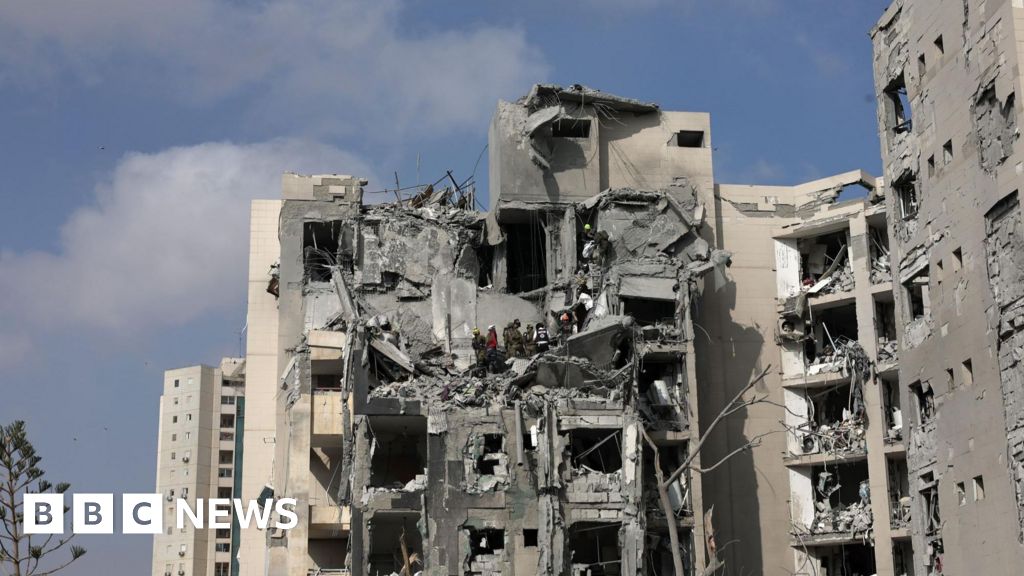
A missile strike on Beersheba, Israel, killed four and caused significant damage, occurring just before a scheduled ceasefire with Iran. Despite the direct impact, residents expressed support for Israel's prior retaliatory actions against Iran, viewing them as necessary for self-protection. Both Israel and Iran confirmed a ceasefire post-strike but immediately accused each other of violations, underscoring the extreme fragility of the truce and persistent regional tensions.
The missile strike on Beersheba, occurring immediately before a planned ceasefire, underscores the extreme volatility and persistent geopolitical risk in the Iran-Israel conflict. Despite the agreement, both parties immediately accused each other of violations, signaling the truce is highly fragile and that the underlying drivers of the conflict remain unresolved. The market impact score of 0.1 suggests this event is currently viewed as a continuation of existing, priced-in tensions rather than a new systemic shock. However, a key insight from the report is the strong domestic resolve among the affected Israeli population, who expressed support for their government's military actions. This sentiment indicates a solid political mandate for a continued hardline stance, which could prolong the conflict and increase the risk of future escalations. The incident is a tangible manifestation of the "Geopolitics & War" and "Infrastructure & Defense" themes, highlighting the vulnerability of civilian infrastructure and the critical role of defense systems.
AI-powered research, real-time alerts, and portfolio analytics for institutional investors.
Request DemoOverall Sentiment
neutral
Sentiment Score
0.00
