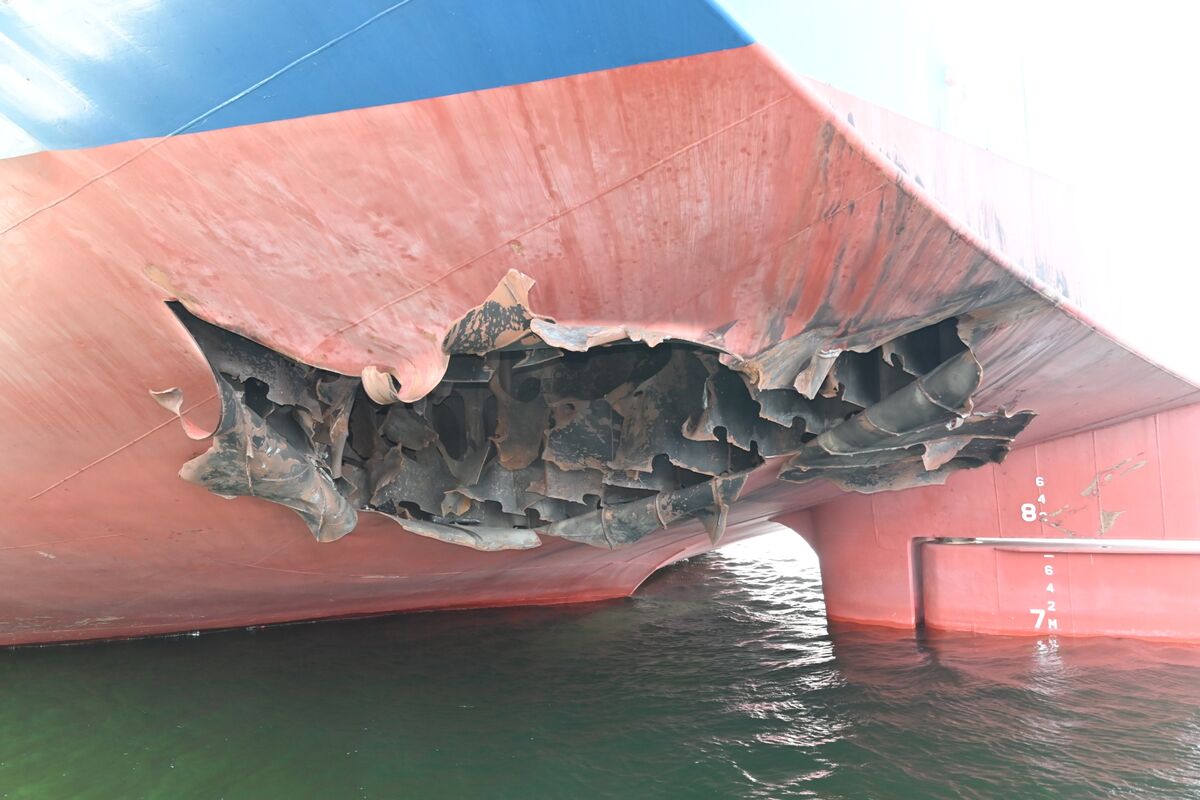
South Korea said debris analysis indicates the cargo vessel attacked near the Strait of Hormuz was hit by Iranian-made anti-ship missiles. The attribution heightens tensions around a critical global shipping lane that carries a significant share of seaborne energy and trade flows. The development is likely to support risk-off moves in shipping, insurance, and regional geopolitics-sensitive assets.
The key market implication is not the incident itself but the evidence quality: technical attribution to Iranian-origin missiles raises the odds of a repricing in shipping risk premia because insurers can no longer treat this as ambiguous regional noise. That matters most for vessels transiting Hormuz and for any cargo flow with limited rerouting flexibility; even a small increase in war-risk premiums can compound into higher delivered costs, longer voyage times, and inventory carry pressure for Asian importers over the next few weeks. The first-order winners are not obvious defense primes so much as companies that monetize supply-chain disruption: tanker rates, inland logistics, and commodity traders with optionality to arbitrage dislocations. The losers are refiners, LNG buyers, and industrials with just-in-time feedstocks, especially in Korea, Japan, and parts of Europe where a few days of delay can force spot procurement at worse terms. A sustained escalation would also tighten the bid for physical oil and refined products faster than it moves headline Brent, because the market typically pays up for reliability before it pays up for outright barrels. The catalyst path is binary and fast: if there is a second confirmed hit or any retaliation cycle, the market will likely price a higher base level of transit risk within days, not months. If the story de-escalates without follow-through, the premium should mean-revert quickly because the Strait remains too important for both sides to sustain prolonged disruption. The bigger medium-term risk is normalization of a higher insurance and escort-cost regime, which would quietly tax trade flows even absent a full closure scenario. The contrarian view is that this may be underpriced in equities because the market often assumes shipping disruptions are temporary, while the real effect is a persistent increase in friction costs that quietly compress margins downstream. On the other hand, the move could also be overdone if policymakers contain the situation before vessels actually avoid the route, since realized volumes matter more than headlines for most listed assets.
AI-powered research, real-time alerts, and portfolio analytics for institutional investors.
Request DemoOverall Sentiment
mildly negative
Sentiment Score
-0.35
