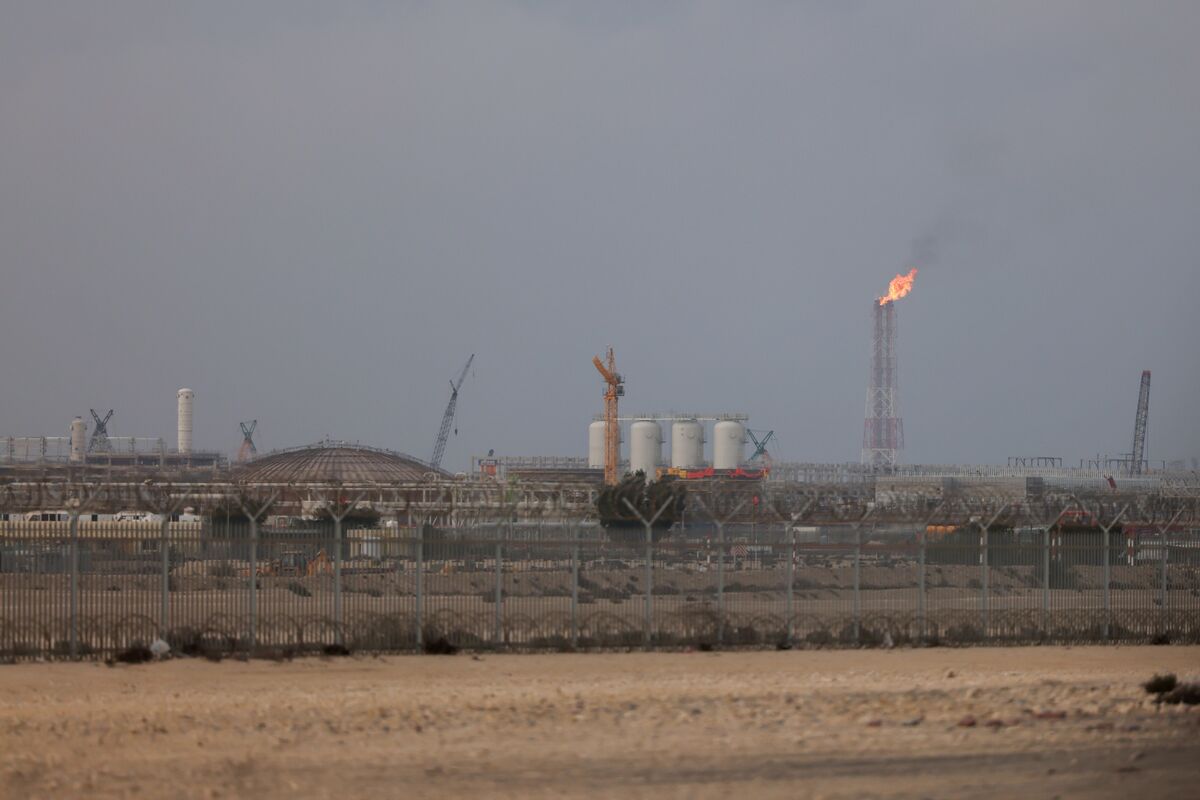
Iran crippled a vital Qatar gas plant, prompting EU leaders to warn of a multi-year energy supply crunch and sustained energy price shock. At a Brussels summit, leaders — led vocally by Italy's PM Giorgia Meloni — called for a moratorium on strikes against energy facilities amid the US-Israel conflict to avoid further disruption. The episode raises the risk of prolonged higher wholesale gas and power prices, upside inflationary pressure and slower Eurozone growth with broad market and fiscal spillovers across energy- and industry-exposed sectors.
The immediate market implication is a durable widening of the Europe-Asia-North America gas price triangle: Europe will pay a persistent premium to attract divertible LNG cargoes, lifting shipping, regas capacity and spot LNG pricing for multiple years because new liquefaction capacity and European regas terminals take 24–60 months to materially expand. That reroute amplifies shipping rates and squeezes Asian buyers, meaning spot spreads (TTF vs Henry Hub) are likely to remain elevated and volatile through at least two winter cycles unless capacity additions or demand destruction intervene.
Winners include upstream and midstream players with flexible LNG cargo rights and commercial regas operators, and owners of FSRUs and LNG carriers who capture outsized freight and charter rates; second-order winners are defense and infrastructure suppliers as Europe accelerates storage and terminal buildouts. Losers will be energy-intensive industrials (fertilizers, ammonia, aluminum), European manufacturing exporters facing higher power input costs, and sovereigns with large gas import bills — creating fiscal stress and potential sovereign-credit contagion in the periphery over a 1–3 year horizon.
Key tail risks and catalysts: escalation or de-escalation in the Gulf that changes repair timelines, a cold snap this coming winter, and Chinese demand re-acceleration each have asymmetric effects (days-weeks for weather, months for diplomacy, years for capacity adds). Price-driven demand destruction (industrial curtailment, fuel-switching to coal) is the primary reversal mechanism and would likely unfold over 3–12 months; policy responses (strategic cargo releases or emergency deals with alternative suppliers) can shorten the cycle within 30–90 days but are politically constrained.
AI-powered research, real-time alerts, and portfolio analytics for institutional investors.
Request DemoOverall Sentiment
strongly negative
Sentiment Score
-0.70
