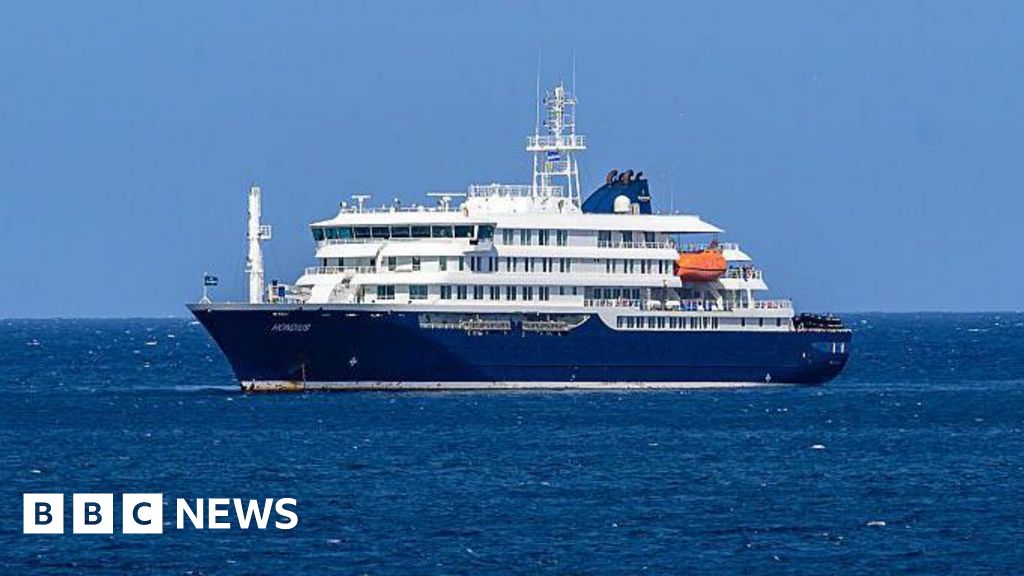
The CDC is sending a charter medical repatriation flight to evacuate 17 Americans from the MV Hondius after a hantavirus outbreak killed 3 people and infected several others. At least 6 U.S. states are monitoring possible cases, with 8 suspected infections linked to the outbreak and 5 already confirmed. The event is primarily a health and travel disruption, with limited broader market impact but clear downside for cruise and travel sentiment.
The immediate market read is not about the pathogen itself but about operational fragility in travel infrastructure. Cruise lines, charter operators, airport services, and insurers face a short-lived but real demand shock as consumers extrapolate a rare event into generalized bio-risk, even though the absolute public-health threat remains contained. The first-order hit is to sentiment; the second-order hit is to booking velocity in premium expedition cruising, where customers are older, higher-value, and more sensitive to perceived medical risk.
The bigger medium-term implication is regulatory. A visible repatriation operation tends to trigger scrutiny of ship sanitation, pre-clearance screening, and on-board medical protocols, which can raise compliance costs across the cruise ecosystem for months. That favors the largest balance-sheet players with scale in medical staffing and crisis response, while penalizing small operators and niche expedition brands that cannot absorb higher fixed costs or a single headline event. Related beneficiaries are telehealth, remote monitoring, and medical logistics providers that can sell "duty of care" solutions to travel operators and insurers.
The healthcare-policy angle is underappreciated: the event becomes a stress test for a thinner public-health apparatus and may increase the probability of further funding or staffing reversals in affected agencies. That creates a subtle tail risk that future outbreaks, even if small, are managed less efficiently and generate bigger market reactions. Over the next 2-6 weeks, the key catalyst is whether any secondary cases appear during quarantine; if none emerge after the incubation window, travel names should mean-revert quickly, but any cluster would extend the risk-off move into late summer booking season.
Contrarianly, the move may be overdone for broad leisure exposure and underdone for specialized marine/cruise operators. Investors may sell the whole travel complex despite the event being highly idiosyncratic and logistics-specific, while missing that premium brands with stronger health protocols can actually gain share from weaker peers. The best relative expression is not outright short travel, but long quality versus short vulnerability.
AI-powered research, real-time alerts, and portfolio analytics for institutional investors.
Request DemoOverall Sentiment
strongly negative
Sentiment Score
-0.68
