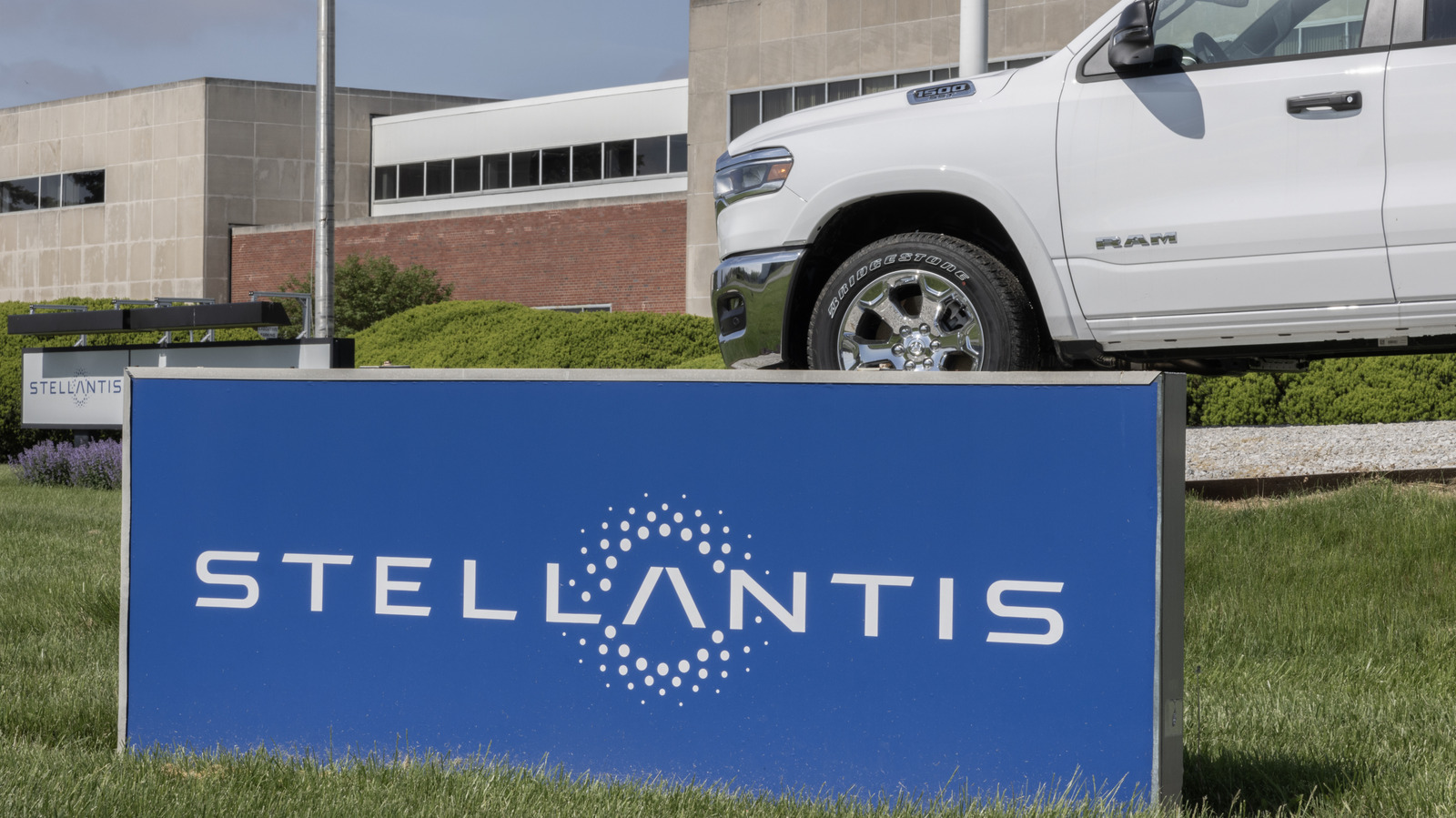
Stellantis plans to concentrate future investment on just four brands — Jeep, Ram, Peugeot and Fiat — while using those platforms and technologies across the rest of its 14-brand portfolio. The company is not shutting any brands, but is shifting weaker marques such as Citroën, Opel and Alfa Romeo toward more regional roles, signaling a major restructuring of capital allocation. The move follows a $26.1 billion writedown in February and ongoing pressure from weak U.S. and European market share.
The market should read this as a capital-allocation reset, not a clean turnaround. Concentrating incremental spend into a small set of global nameplates can improve hit rates on product launches, platform reuse, and purchasing leverage, but it also exposes the company to a sharper execution bar: if one core badge underperforms, the downside propagates across multiple regional variants instead of being absorbed by a more diversified portfolio.
The second-order benefit is margin structure. Fewer truly differentiated architectures should lower engineering complexity, tooling duplication, and supplier SKU counts, which matters more than headline branding strategy in a business where fixed costs have been crushing incremental returns. The loser is the long tail of niche marques: they can survive as distribution shells, but that usually means lower pricing power, lower marketing priority, and a gradual erosion of dealer/inventory support unless they have unusually strong local economics.
For competitors, the most relevant implication is that Stellantis may become a less aggressive share-taker in marginal segments over the next 12-24 months while it rationalizes the portfolio. That could temporarily help entrenched European incumbents and some EV-native players if Stellantis pulls back on conquest pricing; however, if the platform strategy works, the company could re-enter with lower-cost models that pressure mass-market peers on price before it regains volume. The overhang is that restructuring by brand prioritization often looks disciplined at first and then becomes politically difficult when regional managers fight for product allocation.
The contrarian angle is that the setup may be less bearish than the headline suggests because markets already discount a bloated, unfocused portfolio. The real upside catalyst is not brand pruning itself but proof that management can convert it into higher launch cadence and better mix within 2-3 reporting cycles; absent that, this is just narrative management. The key failure mode is that the company spends the next year signaling simplification while competitors use the distraction to lock in customers and suppliers.
AI-powered research, real-time alerts, and portfolio analytics for institutional investors.
Request TrialOverall Sentiment
mildly negative
Sentiment Score
-0.25
Ticker Sentiment
