
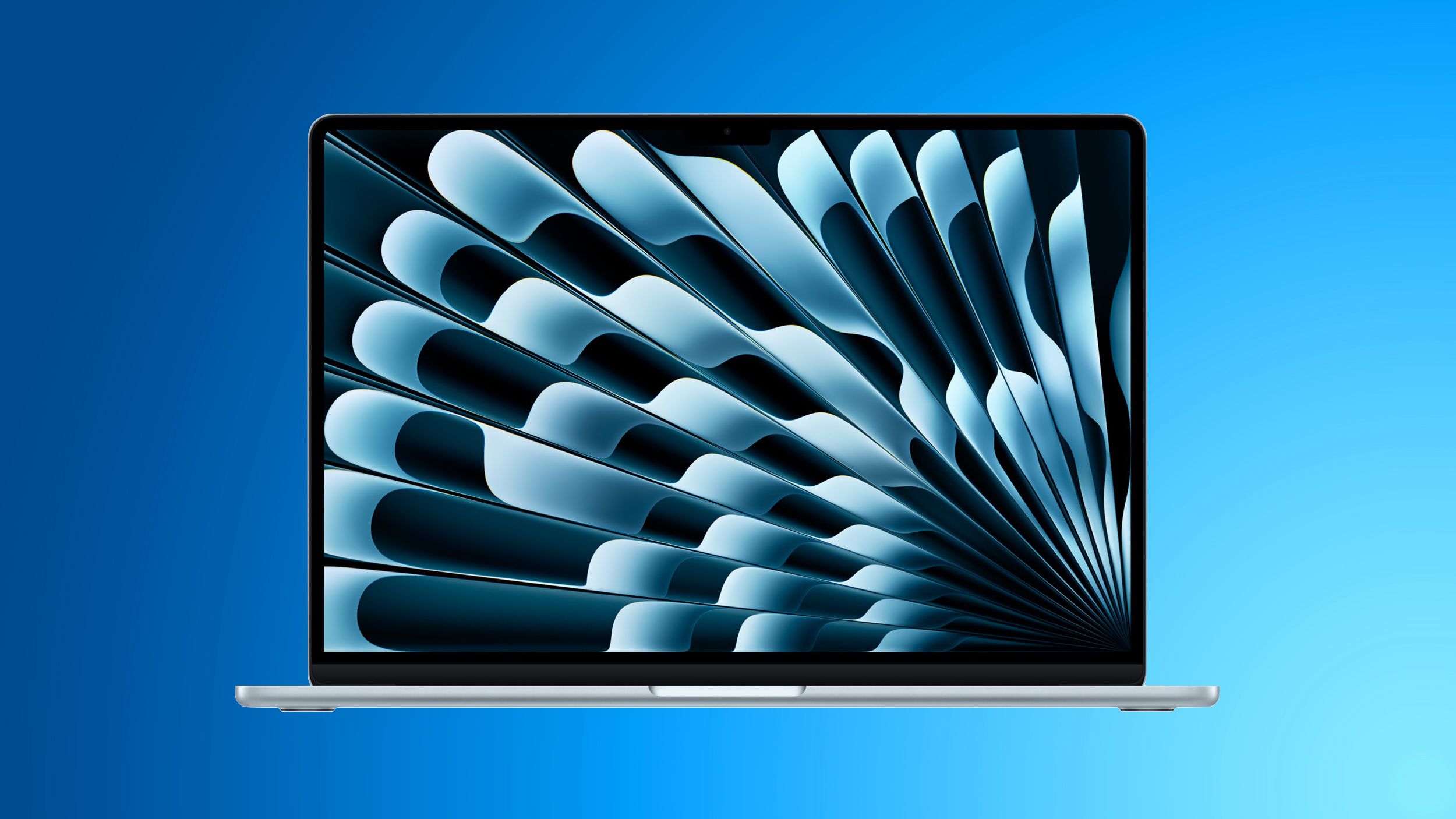
Bloomberg's Mark Gurman reports Apple plans to move the MacBook Air from LCD to an OLED display with a 2028 refresh as part of a broader OLED migration across iPad and MacBook lines; the MacBook Pro is expected to receive OLED (and potentially touch) on its next redesign, possibly later this year per Gurman and analyst Ming‑Chi Kuo. Apple is set to ship an updated MacBook Air with M5 chips imminently that will retain LCD, and — if Apple keeps an annual cycle — the first OLED Air would likely ship with M7 silicon. OLED adoption should improve display brightness, contrast and power efficiency, a modest positive for product competitiveness but unlikely to materially change near‑term financials.
Market structure: Apple pushing OLED into MacBooks (Air by 2028, Pro earlier) benefits display-material and large-format OLED capacity owners — Universal Display (OLED) and major panel makers (Samsung SSNLF, LG Display LPL) will see pricing power for 2026–2029 supply cycles. Apple can capture a $100–$200 ASP premium on premium MacBooks and convert ~50–150bps of margin if panel cost inflation is contained; legacy LCD suppliers (AUO) face unit-share erosion in premium segments and downward ASP pressure in commoditized tablets/laptops.
Risk assessment: Key tail risks are yield shortfalls for laptop-size OLED (delay >6–12 months) and concentration (Samsung capacity limits) that could spike panel prices >20%, pressuring Apple margins or delaying rollout. Immediate (days) market moves will be noise; short-term (3–12 months) supplier re-ratings and order disclosures matter; long-term (2028+) is where margin and mix effects crystallize. Hidden dependency: Apple’s willingness to take price increases is elasticity-dependent—>5–10% volume downside if Apple pushes >10% price increases.
Trade implications: Direct plays: overweight OLED materials (OLED) and TSMC (TSM) to play M7 silicon + higher panel ASPs; short select LCD names (AUO) as secular decline accelerates. Use 9–18 month option structures (LEAP calls or call spreads) to limit capital; implement pair trades (long LPL/SSNLF, short AUO) sized to 1–3% portfolio exposure with stop-loss on supply announcements. Time entries 1–3 months before WWDC/earnings that typically reveal supplier commentary; trim at 12–24 months or on confirmed Apple procurement contracts.
Contrarian angles: Consensus underestimates execution risk and overestimates immediate margin upside — suppliers’ earnings may already price in OLED optimism. Historical parallel: iPhone OLED cycle lifted materials suppliers then normalized as smartphone growth stalled; if Apple delays or keeps Air LCD until cost parity, supplier multiples will compress. Watch for catalyst thresholds: delay announcements (>6 months) or panel price premium diverging >±20% from current estimates to reverse trades.
AI-powered research, real-time alerts, and portfolio analytics for institutional investors.
Request TrialOverall Sentiment
neutral
Sentiment Score
0.18
Ticker Sentiment
