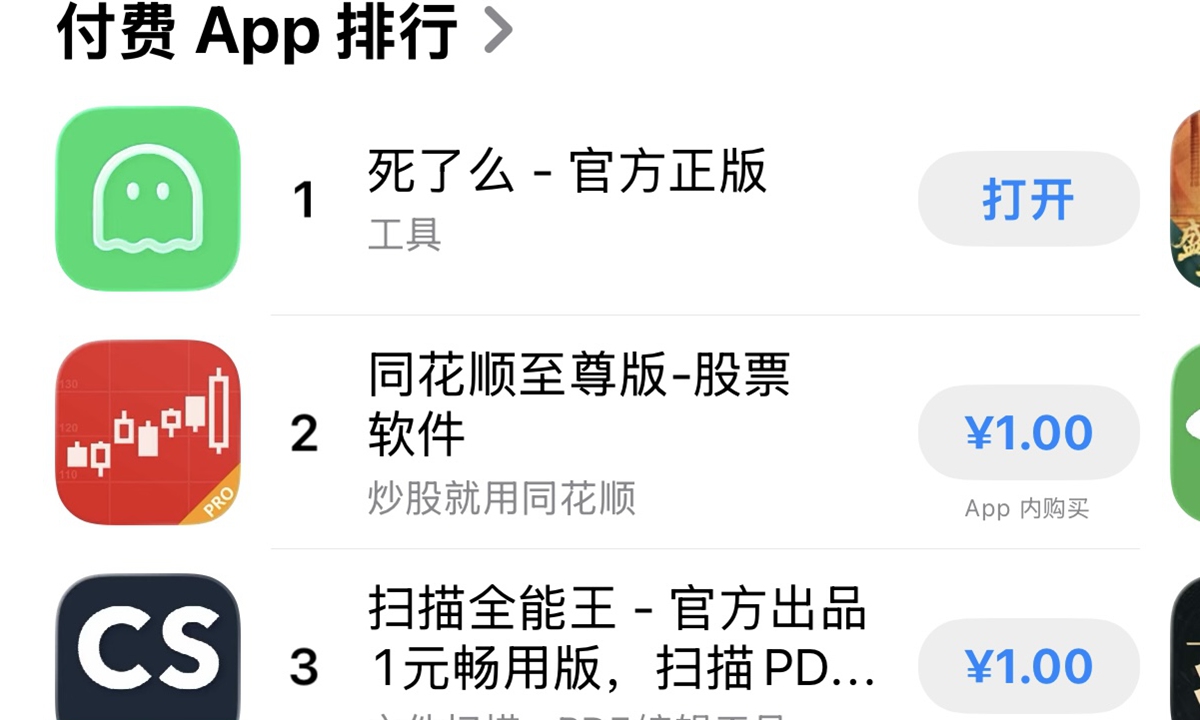
A three‑founder Chinese micro‑startup operating as Yuejing (Zhengzhou) Technical Services Co. saw its safety monitoring app “Sileme/Are You Dead?” surge to the top of Apple’s paid App Store after a >100x download spike, reporting 12,408 users. The app — a one‑click daily check‑in for solo dwellers that emails emergency contacts after missed check‑ins — initially charged 1 yuan and the team has announced an 8‑yuan paid plan to cover rising SMS, email and server costs; registered capital is 100,000 yuan. Management plans to add SMS notifications within a month, is soliciting investors, and faces user feedback on naming, feature expansion (heart‑rate/auto alerts) and usability.
Market structure: The viral Chinese app is a demand signal, not a direct revenue event (12,408 reported users; one-off revenue at 8 RMB ≈ ¥96k). Winners are CPaaS/SMS providers (global: TWLO), cloud hosts (AMZN/GOOGL) and wearables/services ecosystems (AAPL) that can integrate passive monitoring; losers are mom‑and‑pop indie apps that can’t scale infrastructure or compliance. Structurally, the 200M solo‑household estimate to 2030 implies multi‑billion addressable market for monitoring + devices, but monetization will be lumpy and local‑regulation dependent over years.
Risk assessment: Tail risks include Chinese regulatory backlash (App Store takedown, name/culture issues), data‑privacy fines, and liability from false positive emergency alerts — any of which could occur immediately (days–weeks) if viral scrutiny intensifies. Key short‑term catalyst: SMS rollout promised within 30 days; long term (2–5 years) risk is slow hardware adoption similar to US medical‑alert services. Hidden dependency: reliance on SMS gateways and Apple/Android platform policies; crossing thresholds (e.g., >100k users or >1M notifications/month) could trigger platform/telecom interventions.
Trade implications: Direct plays: buy CPaaS exposure (TWLO) for incremental SMS volume and pricing power; overweight AAPL for watch/health services monetization; add ADT/home‑security names for subscription upside. Use option structures (limited‑risk call spreads) to express binary upside around near‑term catalysts (funding/partnership announcements or traffic inflection within 3 months). Rotate 1–3% portfolio weight from high‑beta China app microcaps into these global infrastructure and hardware plays over next 30–90 days.
Contrarian angle: The market underestimates cultural/regulatory risk — the app’s name controversy shows adoption in China can stall despite product‑market fit. Historical parallel: US “Life Alert” demand grew slowly despite clear need, so expect multi‑year rather than immediate windfall; therefore favor platform/infrastructure providers with diversified revenue over speculative consumer app bets.
AI-powered research, real-time alerts, and portfolio analytics for institutional investors.
Request DemoOverall Sentiment
mildly positive
Sentiment Score
0.25
Ticker Sentiment
