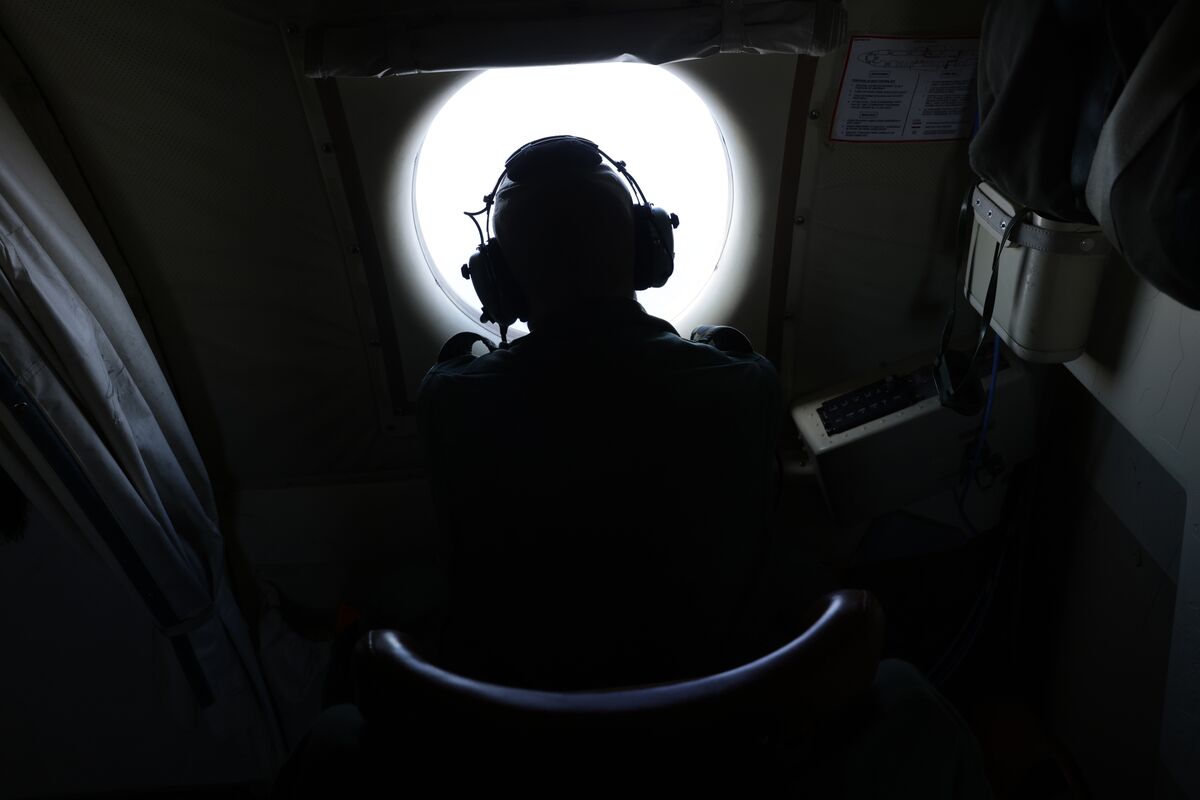
Germany summoned China's ambassador following an incident where a German military surveillance aircraft, operating as part of the EU's ASPIDES mission to secure Red Sea shipping lanes, was targeted by a Chinese warship with a laser without warning. This unprovoked targeting of a German asset by a Chinese naval vessel in a critical maritime zone signals escalating geopolitical tensions and potential risks to international navigation and security.
Germany has formally protested to China after a German military surveillance aircraft was targeted by a Chinese warship with a laser in the Red Sea. The German aircraft was operating as part of the EU-led ASPIDES mission, which is tasked with protecting commercial sea lanes from Houthi militia attacks. This incident introduces a significant layer of geopolitical complexity into an already volatile maritime region, representing a direct, unprovoked engagement between Chinese and German military assets. Germany's response of summoning the Chinese ambassador underscores the gravity of the event. While the immediate market impact is assessed as neutral, the confrontation highlights a new risk vector in a critical global trade chokepoint, shifting the focus from non-state actors to potential friction between major world powers. This event serves as a tangible data point on China’s increasing military assertiveness in key international waters, far from its immediate sphere of influence.
AI-powered research, real-time alerts, and portfolio analytics for institutional investors.
Request DemoOverall Sentiment
neutral
Sentiment Score
0.00
