
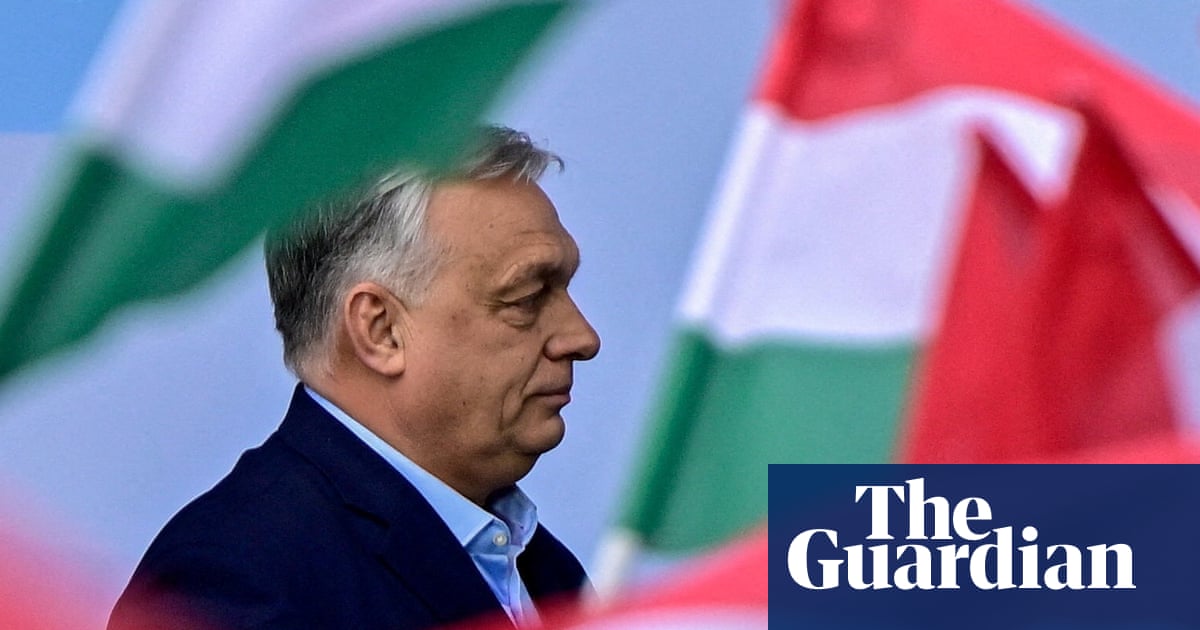
Hungary’s prime minister-elect Péter Magyar signaled a pragmatic but less Russia-aligned stance, while the Kremlin said it would wait for concrete steps from the new government. Hungary remains highly exposed to Russia, sourcing more than 80% of its fossil gas and crude oil from Russia, but Magyar said he would keep buying Russian energy while seeking diversification. The article implies reduced Kremlin leverage in Europe and a potentially more cautious EU posture on Ukraine, but no immediate market shock is evident.
The market implication is not a clean “Russia negative” trade; it is a repricing of leverage quality. Moscow loses a reliable political veto point inside the EU, but Hungary’s structural energy dependence means the cash-flow channel remains intact, so the near-term effect is more about higher policy uncertainty premia than immediate supply disruption. That usually benefits incumbents in the energy transport/contracting chain and hurts any assets priced on durable Kremlin-influenced policy continuity.
The second-order issue is Ukraine funding optics. A less predictably pro-Russia Hungary reduces the probability of coordinated EU obstruction, which modestly improves the odds of incremental support packages and lowers tail risk around financing gaps over the next 1-2 quarters. But the bigger lesson for Kremlin strategy is negative for future “bet on one proxy” positioning: if Moscow’s network of friendly governments is increasingly seen as reversible, sanctions evasion and diplomatic leverage should command a lower terminal value in any medium-term Russia risk assets.
Contrarian read: consensus may be overstating how much changes operationally in the next 3-6 months. Hungary still needs Russian molecules, and energy dependence creates a built-in ceiling on how far a new government can pivot without domestic economic pain. So any knee-jerk unwind in Russian risk assets or Central European rate/FX hedges is probably too aggressive unless you get actual contract renegotiation or a formal shift in EU voting behavior.
From a trading standpoint, the cleaner expression is to fade the idea that Russia’s European leverage is instantly broken while keeping optionality on a gradual policy reset in Brussels. The key catalyst is not rhetoric but actions on gas, oil, and EU votes; until then, this is a slow-burn governance premium story, not a shock event.
AI-powered research, real-time alerts, and portfolio analytics for institutional investors.
Request TrialOverall Sentiment
neutral
Sentiment Score
-0.10
Ticker Sentiment
