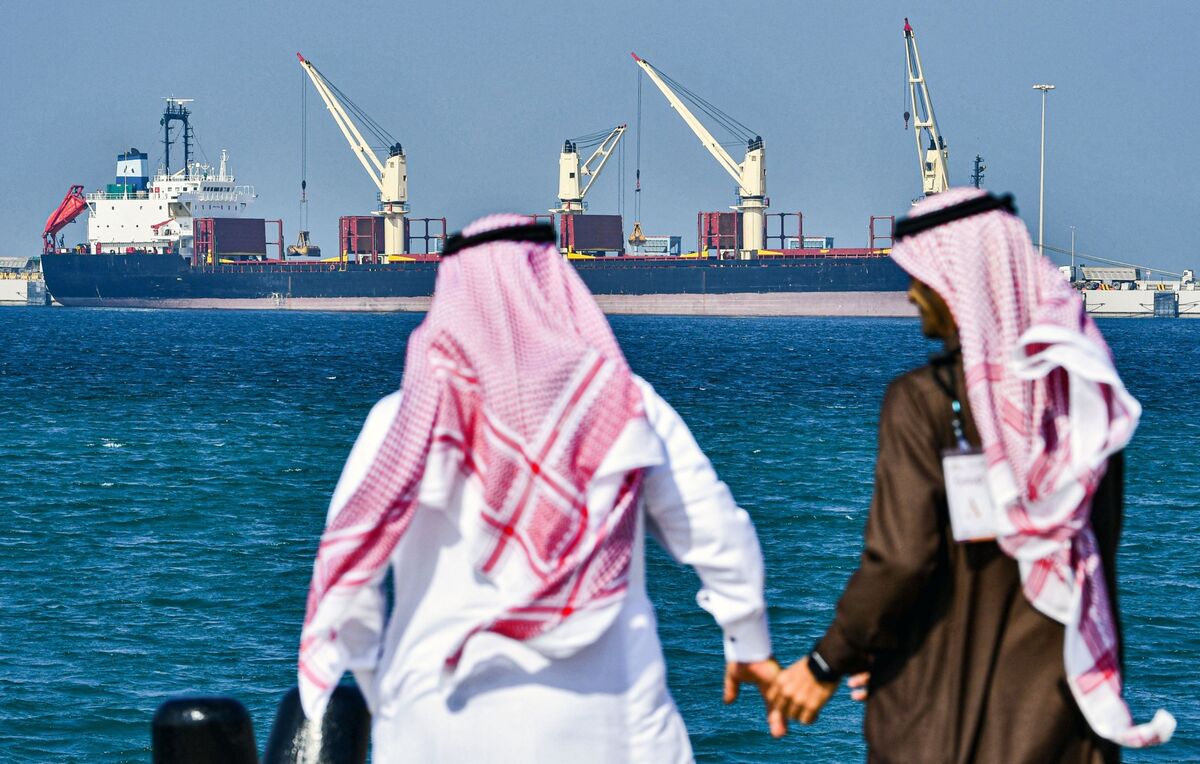
Saudi Arabia is significantly increasing crude exports, reaching the fastest rate in over a year, as it aggressively pursues a strategy to regain global oil market share. Preliminary Bloomberg tanker-tracking data indicates the kingdom boosted crude shipments by 7% to 6.36 million barrels per day this month, signaling a notable shift in its supply approach within the OPEC+ framework and potential implications for global oil supply dynamics.
Saudi Arabia has significantly ramped up its crude oil exports, reaching the highest rate in over a year in a clear strategic pivot to reclaim global market share. Preliminary tanker-tracking data for the month indicates a substantial 7% increase, or 441,000 barrels a day, bringing total exports to 6.36 million barrels per day. This aggressive supply posture from the de facto leader of OPEC+ signals a potential shift away from prioritizing price support towards a volume-driven strategy. Such a move is likely to exert downward pressure on global crude benchmarks and could introduce new tensions within the OPEC+ alliance, as other members may be negatively impacted by both lower prices and squeezed market share.
AI-powered research, real-time alerts, and portfolio analytics for institutional investors.
Request DemoOverall Sentiment
moderately positive
Sentiment Score
0.40
