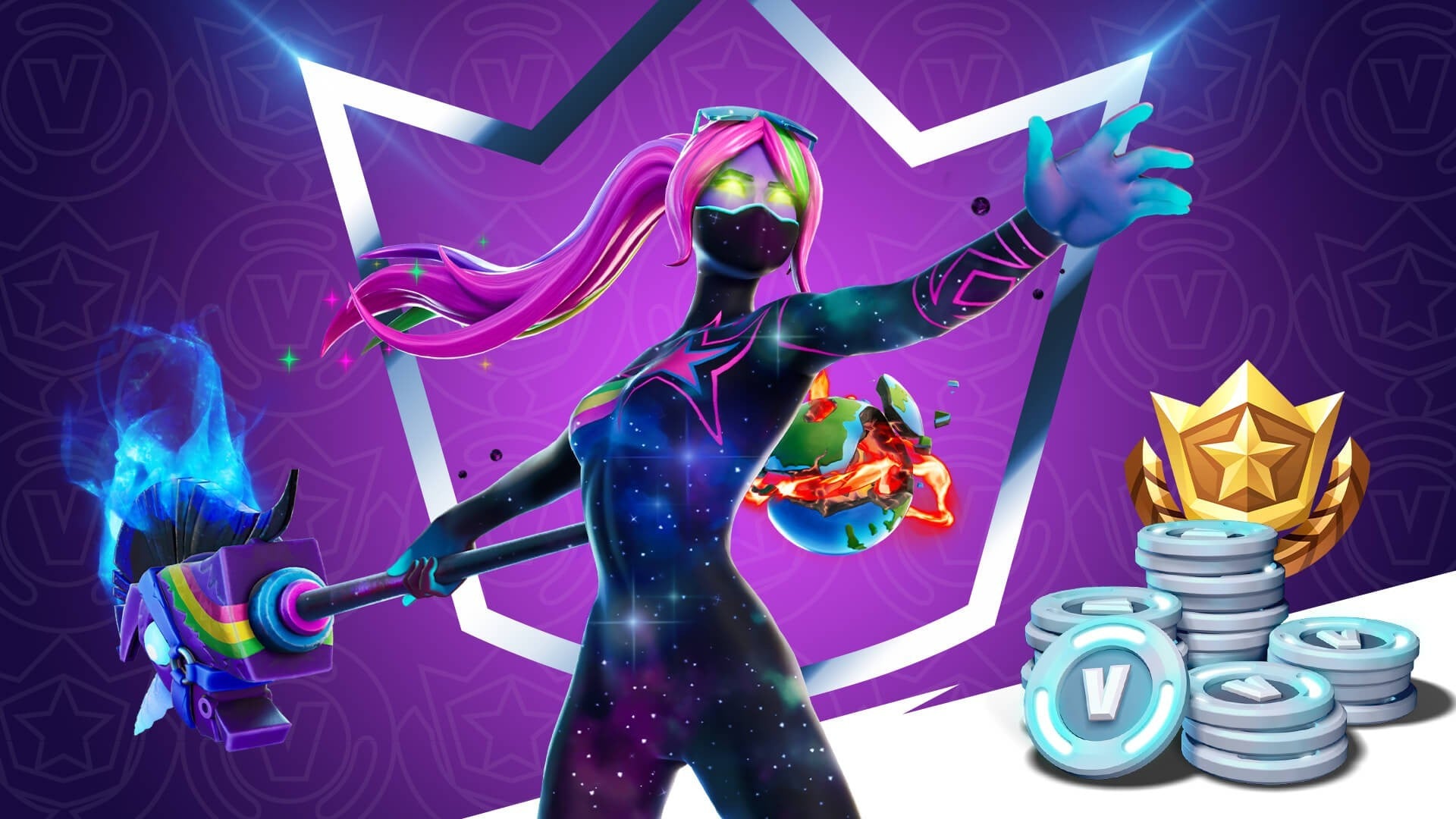
Epic Games will reduce V‑Buck allotments across packs effective March 19: the $8.99 pack falls from 1,000 to 800 V‑Bucks (20% cut), $22.99 from 2,800 to 2,400 (~14%), $36.99 from 5,000 to 4,500 (10%), and $89.99 from 13,500 to 12,500 (~7.4%). Fortnite Crew via Xbox Game Pass Ultimate will likewise drop the monthly V‑Bucks from 1,000 to 800; battle passes will cost 200 V‑Bucks less but bonus post‑pass V‑Buck rewards are being removed. Net effect: consumers get less V‑bucks per dollar (higher effective prices for cosmetics), creating modest monetization upside for Epic but a potential engagement/backlash risk for user spending.
The change reduces the marginal value proposition of Fortnite Crew inside Game Pass Ultimate and therefore erodes one of the embedded perks Microsoft uses to justify a higher ARPU for Ultimate subscribers. Even a single-digit decline in spend or perceived value among the most active Fortnite users can compress engagement metrics (DAU/MAU, time-in-app) that feed into cross-sell of other Xbox content and advertising inventory; expect early signal risk in engagement within 30–90 days post-rollout.
Epic’s simultaneous adjustment to season pricing and removal of bonus rewards is a deliberate shift from unpredictable one-off cosmetic purchases toward more predictable, recurring monetization. That rebalancing improves revenue predictability for Epic but reduces the tail of high-margin cosmetic transactions and could lower marketplace payouts to third-party creators, nudging creators and hard-spenders to explore alternative platforms or secondary markets.
Competitively, the move creates a modest demand arbitrage for rival social and live-service titles: any perception of worse value in Fortnite increases discoverability for substitutes and could accelerate user reallocation over quarters, not days. For Microsoft specifically, the economics are asymmetric — limited downside to core platform economics but visible short-term headline risk (subscription sentiment) that is easier to reverse than structural.
Key catalysts to watch: user sentiment / social-media backlash (days–weeks), Epic promotional countermeasures or Microsoft negotiations/subsidies (weeks–months), and downstream engagement metrics in Xbox subscription reporting (quarterly). A reversal is most likely if retention data shows measurable impact or if Epic pivots with targeted promotions to high-value cohorts within 60–120 days.
AI-powered research, real-time alerts, and portfolio analytics for institutional investors.
Request DemoOverall Sentiment
mildly negative
Sentiment Score
-0.25
Ticker Sentiment
