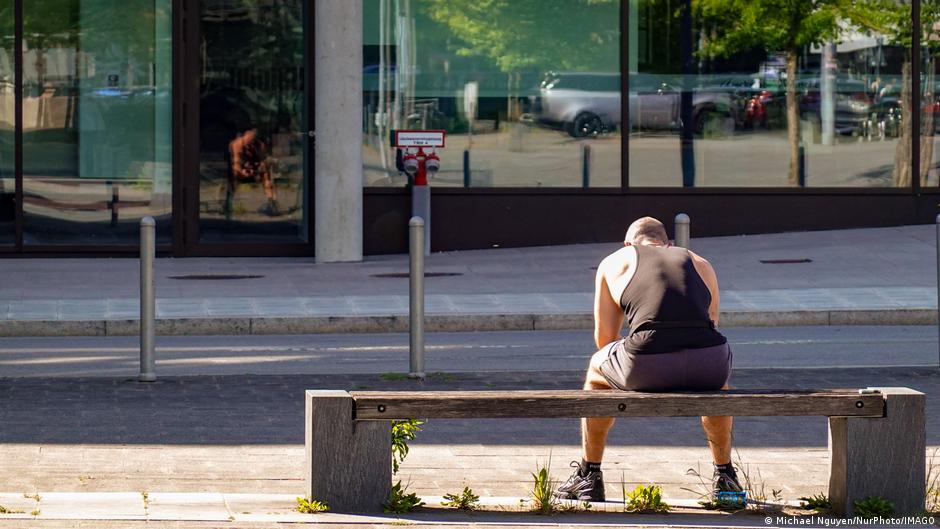
Western Europe is experiencing an unseasonal May heat wave, with the UK logging 34.8C in London and France reporting its hottest May day on record. Spain could reach 40C later this week, while parts of Italy have already imposed outdoor work restrictions. The episode raises health and infrastructure concerns and could temporarily disrupt labor productivity, travel, and outdoor activity across the region.
The immediate market read-through is not in weather-exposed consumer demand, but in labor and operational friction: this kind of heat spike compresses productivity across construction, logistics, delivery, and municipal services before it shows up in headline GDP. The bigger second-order effect is on peak-power pricing and grid reliability in late afternoon hours, when cooling load and strained transmission coincide; that tends to benefit flexible generation, battery dispatch, and merchant power exposure more than utility names with fixed retail tariffs.
The air-travel and leisure complex is more nuanced than a simple "heat hurts" trade. Short-haul southern Europe tourism may see a temporary pull-forward into coastal destinations while inland city breaks get disrupted, but the real earnings risk is on asset-light operators with high summer occupancy assumptions that now face a higher cancellation/attrition rate if extreme temperatures persist for another 2-3 weeks. Insurers are a slower-burn loser: a single event won’t move reserves, but repeated early-season heat extremes increase claims from health, infrastructure, and wildfire-adjacent losses, and can justify a higher catastrophe load in 2026 pricing discussions.
The underappreciated beneficiary is anyone monetizing adaptation rather than energy consumption: HVAC, industrial cooling, building retrofit, and grid-hardware suppliers should see a more durable demand tail as employers and governments are forced to harden workplaces and public buildings. On the policy side, this is another incremental push toward faster work-rule changes, school/hospital retrofits, and heat-safety mandates, which creates a multi-year capex theme rather than a one-off weather trade. The contrarian view is that equity markets may overprice the immediate cyclical hit while underpricing the longer-duration capex beneficiaries; the strongest P&L opportunity is likely in names tied to adaptation spend, not the obvious “summer weather” plays.
AI-powered research, real-time alerts, and portfolio analytics for institutional investors.
Request DemoOverall Sentiment
mildly negative
Sentiment Score
-0.25
