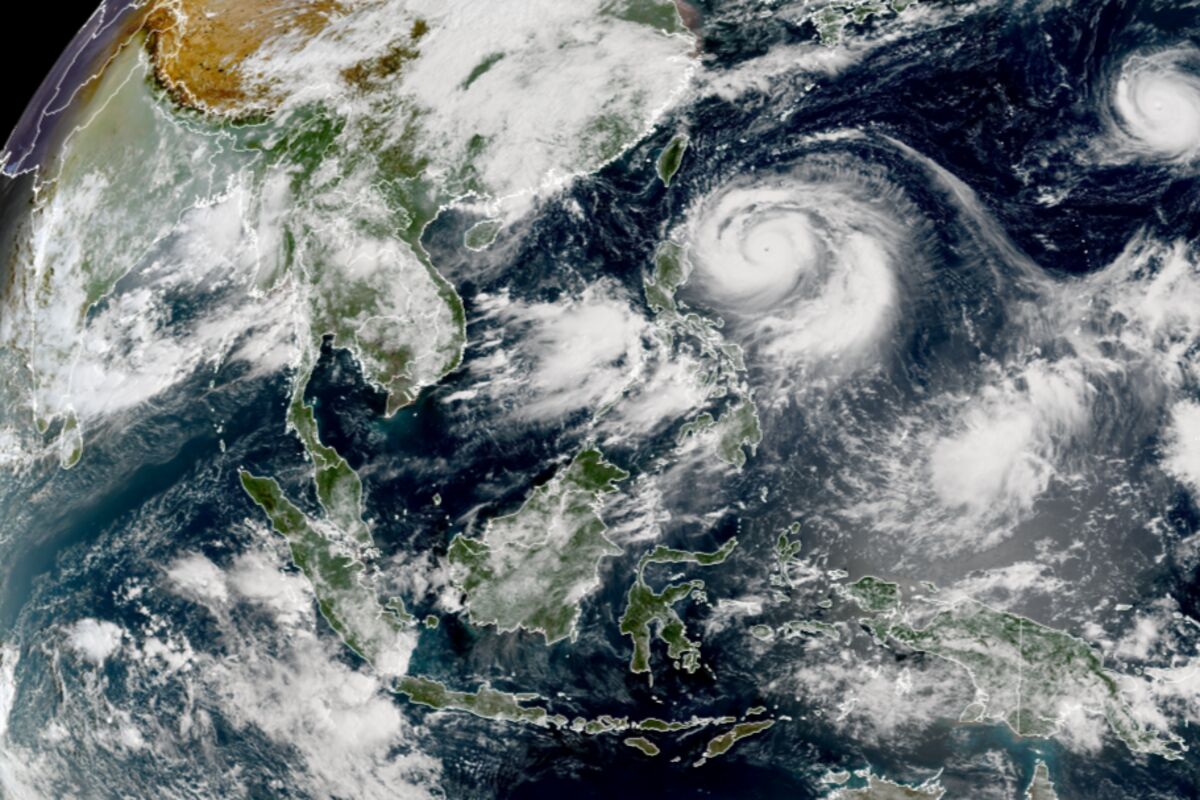
Typhoon Ragasa (Nando) is forecast to intensify into a super typhoon by Sunday as it nears Northern Luzon, Philippines, threatening significant rice and corn crops in the major agricultural province of Cagayan. Currently packing 175 km/h sustained winds, its potential upgrade to super typhoon status (185 km/h) signals a material risk to regional agricultural output and potentially commodity markets.
A potential super typhoon, Ragasa, is tracking towards Northern Luzon in the Philippines, presenting a significant and direct risk to regional agricultural output. The storm is currently exhibiting maximum sustained winds of 175 km/h and is forecast by the national weather agency to intensify into a super typhoon, defined as winds of at least 185 km/h, by Sunday. The typhoon's projected path threatens Cagayan, a major rice and corn-producing province, creating a material risk of crop destruction and supply chain disruption for these key commodities. This event could exert upward pressure on domestic food prices and may have knock-on effects for regional commodity markets, contingent on the storm's final intensity and the scale of damage to crops and infrastructure. The associated "strongly negative" sentiment signal is consistent with the severity of the threat, while the moderate market impact score suggests a contained but potentially acute economic event within an emerging market context.
AI-powered research, real-time alerts, and portfolio analytics for institutional investors.
Request DemoOverall Sentiment
strongly negative
Sentiment Score
-0.60
