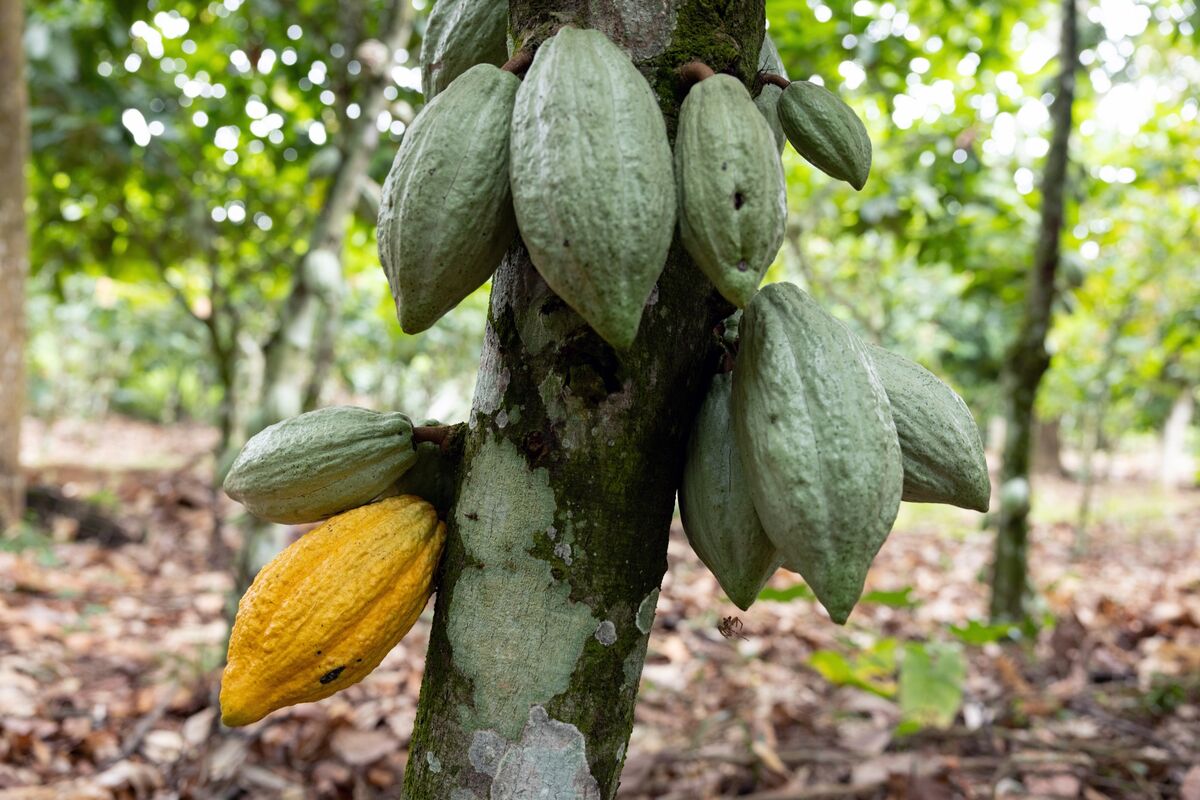
The global cocoa market is showing signs of easing its supply crunch, driven by improved harvests in South America and waning demand. Analysts forecast a significant surplus of approximately 186,000 tons for the 2025-26 season, which is more than double the current season's projected surplus, indicating a substantial shift towards oversupply.
The global cocoa market is exhibiting a fundamental shift from a period of historic supply tightness towards a significant surplus. A consensus forecast, based on a survey of 13 analysts and traders compiled by Bloomberg, projects a supply surplus of approximately 186,000 tons for the 2025-26 season. This is a material development, as the projected surplus is more than double that of the current season, indicating an accelerating trend of oversupply. The primary drivers for this turnaround are twofold: improving harvest yields in South America and a concurrent slackening of consumer demand. This dynamic suggests that the supply-demand imbalance that caused the recent price crunch is decisively reversing, pointing toward sustained downward pressure on cocoa prices.
AI-powered research, real-time alerts, and portfolio analytics for institutional investors.
Request DemoOverall Sentiment
strongly positive
Sentiment Score
0.70
