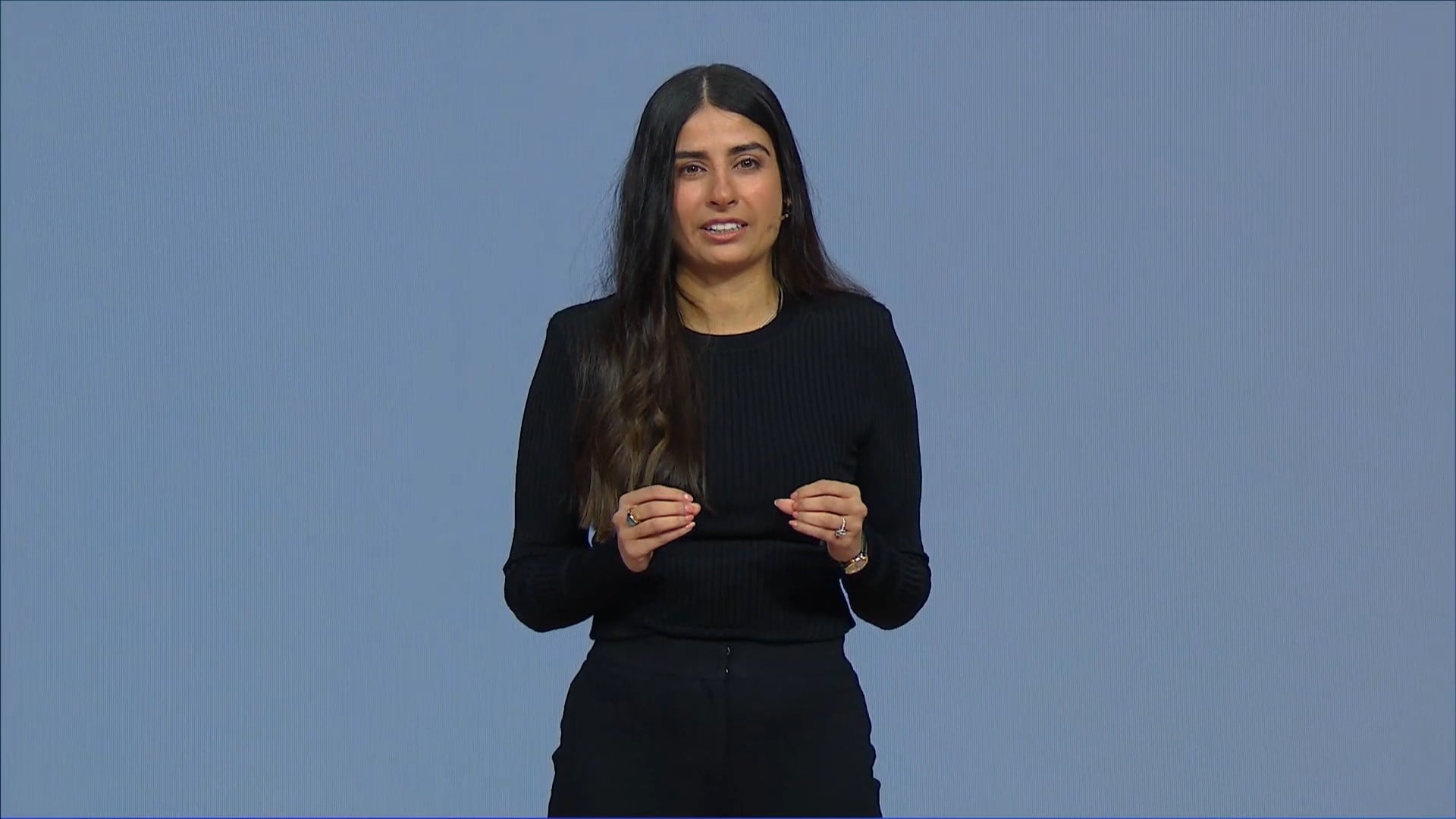
Xbox is reshuffling leadership, with Asha Sharma telling employees the division needs to "evolve how we work" and bringing in several new leaders from CoreAI and Instacart. The changes include new ownership for product, design, growth, engineering, and Xbox’s subscription/cloud business, while Kevin Gammill is leaving and Roanne Sones is taking leave before becoming an advisor. The memo frames the reorganization as a push to make the platform more affordable, personal, and open, but the report is primarily structural rather than financial.
This looks less like a cosmetic reorg and more like an attempt to convert Xbox from a platform-led operating model into a product-growth machine with tighter accountability. The immediate beneficiary is execution quality: adding leaders with consumer, design, growth, and forward-deployed engineering backgrounds should reduce the latency between feature conception and monetization, which matters most in subscriptions/cloud where conversion is driven by friction removal, not content alone. The second-order effect is that internal power is shifting away from legacy ecosystem stewardship toward a more centralized platform P&L mindset.
The key risk is cultural and organizational drag over the next 1-2 quarters. High-velocity reorganizations often create a temporary dip in road-map delivery as decision rights reset, senior talent exits, and duplicated processes get unwound. If the new structure actually simplifies developer tooling and reduces repetitive work, the payoff could show up in 2H26 through faster third-party onboarding, lower customer acquisition costs, and better attach rates across devices and services; if not, this becomes a morale-tax event with little fundamental benefit.
From a competitive lens, the real threat is not a headline product launch but a stronger Xbox operating cadence that pressures adjacent gaming ecosystems on price, bundling, and cross-device convenience. A more affordable/open platform strategy could modestly widen the funnel, but it also risks margin dilution unless paired with sharper monetization in subscriptions and cloud. Contrarian take: the market may be underestimating how much this is about fixing engineering throughput rather than signaling imminent consumer upside—near-term sentiment could improve while fundamentals lag, creating a classic "good governance, delayed P&L" setup.
AI-powered research, real-time alerts, and portfolio analytics for institutional investors.
Request DemoOverall Sentiment
neutral
Sentiment Score
-0.05
