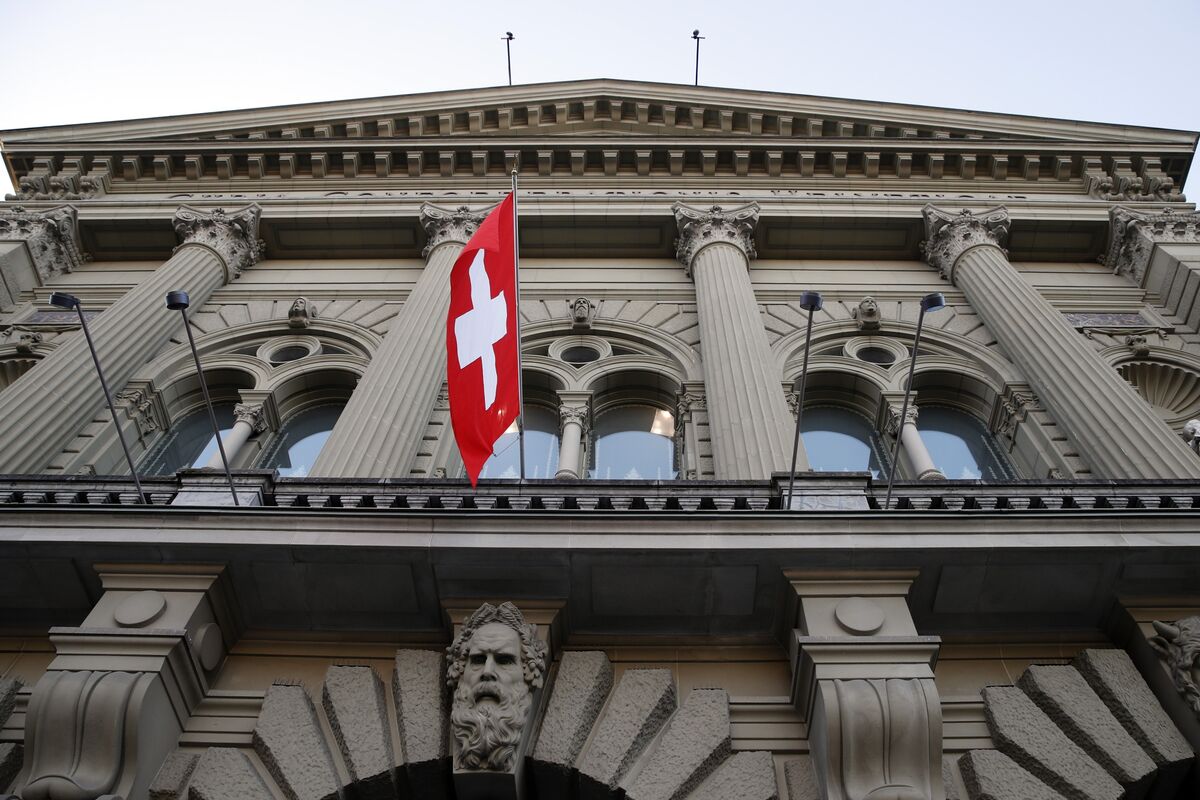
A Swiss proposal to abolish the century-old property tax on theoretical rental income for owner-occupiers is reportedly losing voter support ahead of an upcoming ballot on housing levy overhauls. This reform, which includes offsetting the abolition with new levies on second homes, faces increasing opposition, signaling potential challenges for a significant change to Swiss property taxation.
A significant Swiss fiscal policy reform concerning housing levies is facing increased uncertainty as a key proposal shows waning voter support ahead of a national ballot in under two weeks. The core of the proposal is the abolition of a century-old tax on the theoretical rental income of owner-occupied properties. To ensure fiscal neutrality, the government and parliament have proposed a compromise measure that includes new levies on second homes, such as mountain chalets. The declining public approval suggests a growing probability that the current tax regime will remain in place, which would maintain the existing tax burden on primary homeowners while sparing second-home owners from the proposed new levies. This situation highlights the political challenges of enacting substantial tax system changes, even with a structured compromise designed to offset the impact on public finances.
AI-powered research, real-time alerts, and portfolio analytics for institutional investors.
Request DemoOverall Sentiment
mildly negative
Sentiment Score
-0.20
