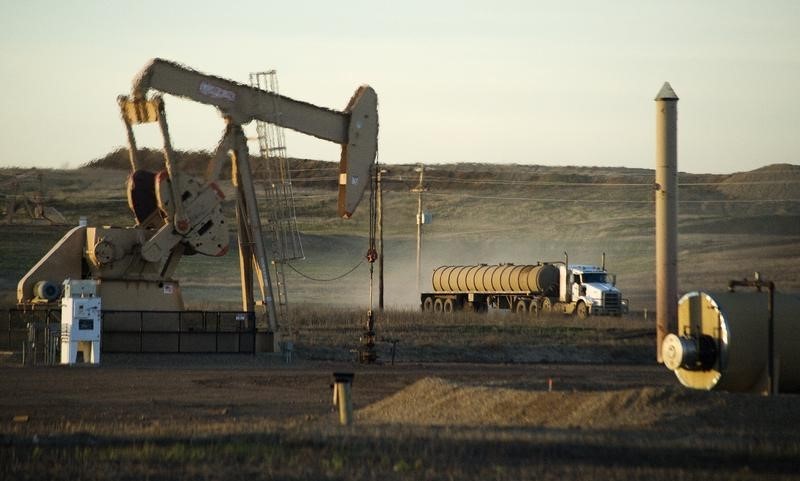
U.S. energy companies added 3 rigs to 547 in the week ending May 1, the second straight weekly increase and the highest total since early April. Oil rigs rose by 1 to 408 and gas rigs by 1 to 130, but the overall count remains 37 rigs, or 6%, below the same period last year. The report is a routine supply indicator that suggests limited near-term upside for U.S. oil and gas output.
The more important signal is not the tiny uptick in rigs, but that producers are still not showing discipline breakage despite a modest bounce in the operating backdrop. With the rig base still materially below last year and shale inventories maturing, incremental rigs now have diminishing marginal impact unless pricing stabilizes for several months; that keeps near-term U.S. supply growth constrained even if the headline count firms again next week. In practice, this means the market should treat the rig print as a confirmation of floor-building, not a regime change in output.
Second-order effects matter more here: a slower-than-feared supply response keeps the optionality premium in crude alive, but it also narrows the room for midstream and oilfield service multiple expansion because activity is not accelerating enough to drive a true capex cycle. That is a good setup for quality over beta inside energy — companies with maintenance-heavy exposure and pricing power should outperform names that rely on volume growth. If crude remains range-bound, the market may start to reward cash return durability over rigs-added headlines.
The contrarian view is that the rig count is a lagging indicator of strategic behavior, not a leading one. If producers are adding rigs while prices are soft, it may indicate hedging discipline is finally improving enough to preserve drilling activity at lower spot prices, which would cap any upside in oil over the next 1-2 quarters. The main catalyst to reverse the current setup would be a sustained crude rally that pulls forward completion activity and re-ignites production growth faster than the market expects.
AI-powered research, real-time alerts, and portfolio analytics for institutional investors.
Request DemoOverall Sentiment
neutral
Sentiment Score
-0.05
Ticker Sentiment
