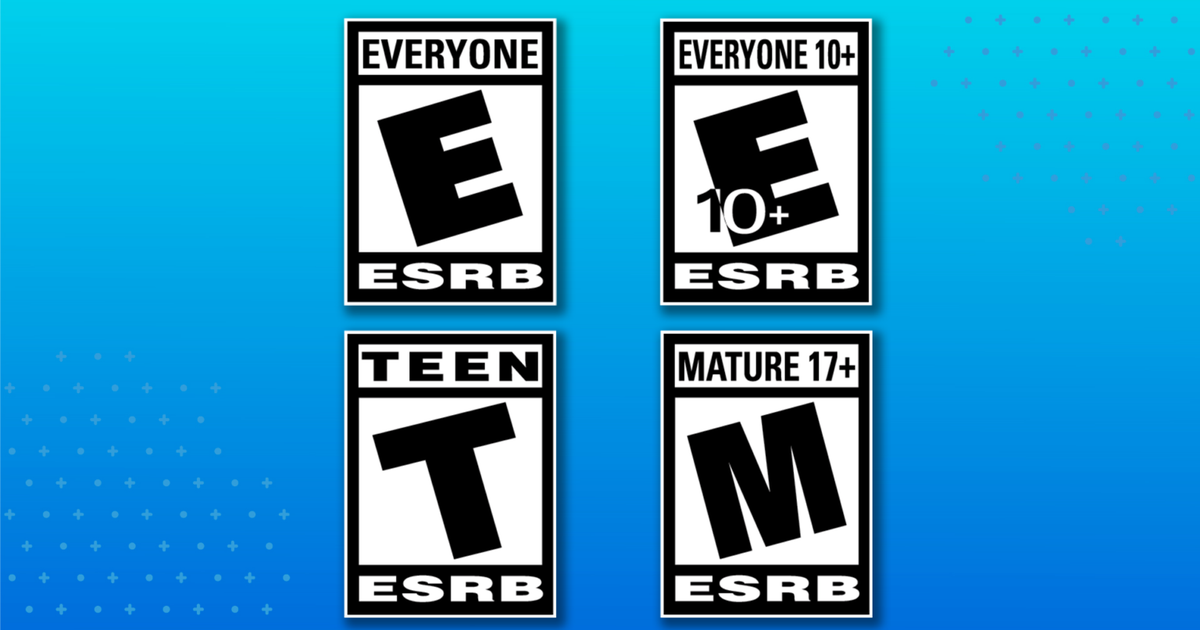
PEGI will introduce four new age-rating categories effective in June and will reappraise ongoing live-service games; ESRB says it will not adopt PEGI's approach of folding non-content features (e.g., paid random items/loot boxes) into age-category assignments and will continue to use separate consumer labels. Notable potential reclassifications cited include EA Sports FC potentially moving from PEGI 3 to PEGI 16 and Pokémon spin-off 'Pokopia' from PEGI 3 to PEGI 7, creating targeted regulatory uncertainty for publishers and possible consumer-impact risks to affected titles.
Regulatory divergence between the US and Europe creates a two-speed commercial environment that raises operating leverage for global publishers. Expect mid-single-digit percentage increases in compliance, classification, and product-rework costs in EU markets in the first 12 months as firms build age-gating, separate storefront flows, and audit trails for monetization features. These are largely fixed-cost investments, so smaller studios and margin-tight midcaps will feel outsized pressure versus large diversified publishers.
For live-service franchises, the most direct mechanism of revenue hit is a reduced addressable audience plus downgraded marketing/timing windows in regions that implement stricter age thresholds. If 10-25% of a title’s paying MAU skews under threshold in EU territories, ARPU could fall 5-15% in the affected geographies until monetization is redesigned or spend is migrated to older cohorts. That effect will be front-loaded in the 3–9 month window after reclassification decisions and then taper as product changes roll out.
Second-order winners include compliance vendors, regional legal/advisory shops, and studios that can pivot to transparent item-purchase models (skin stores, battle passes) with minimal UX change; losers are titles highly optimized around paid-random mechanics where adult spend is not dominant. A key catalyst to watch is how regulators treat legacy live-service catalogues — a staggered reappraisal schedule will create a multi-quarter earnings haircut for exposed publishers rather than a single headline event.
Contrarian risk: markets may overprice headline risk because publishers can and historically do redesign reward curves (guaranteed drops, direct buys) within quarters, restoring most ARPU. Therefore timing is the main execution risk — shorts on well-capitalized incumbents face high rubber-band potential, while selective, sized bets against EU-exposed midcaps offer cleaner payoffs.
AI-powered research, real-time alerts, and portfolio analytics for institutional investors.
Request DemoOverall Sentiment
neutral
Sentiment Score
0.00
