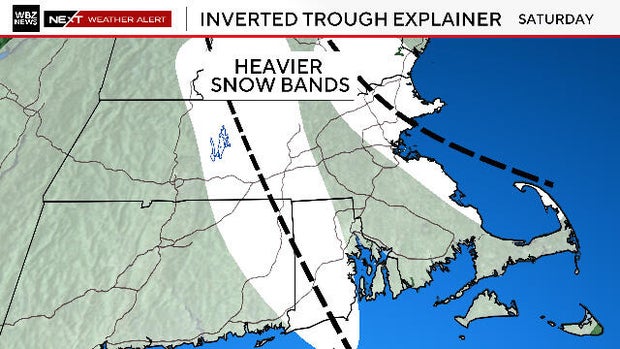
An inverted trough will generate highly localized, heavy snow bands across central and eastern Massachusetts Saturday, with forecast accumulations of about 3-5" for much of Worcester County and immediate coastline, 2-3" across much of Middlesex and Norfolk counties, and a potential 5-8" ‘jackpot’ zone from the New Hampshire coastline through Cape Ann and the North Shore. The National Weather Service has issued winter weather advisories and a winter storm watch for Essex County, and extreme cold warnings through western Massachusetts with wind chills down to -30°F and northwest gusts of 20-40 mph Saturday night into Sunday, producing Sunday highs only in the teens and notable travel and logistics disruptions and near-term heating-demand pressures across southern New England.
Market structure: Near-term winners are regional utilities and heating-fuel suppliers (natural gas producers/ETFs) and home-improvement retailers; losers are time-sensitive transport/logistics (UPS, FDX) and regional carriers serving BOS (JBLU). Expect localized pricing power for emergency services and snow-removal contractors for 3–7 days; visible demand spike for heating raises short-run natural gas consumption ~5–15% in New England if temps hold below 20°F. Cross-asset: short-duration U.S. Treasury bills may see safe‑haven flows intraday, while natural gas futures and UNG should show the largest positive delta; oil impact negligible. Risk assessment: Tail risks include extended power outages or infrastructure damage causing outsized insurance claims and utility capex (>$100m regional), and cascading delivery failures impacting retail sales over 1–2 weeks. Time horizons: immediate (0–7 days) travel/logistics disruption; short-term (1–8 weeks) earnings/claims impact for insurers and utilities; long-term effects minimal unless grid damage forces regulatory capex. Hidden dependencies: Super Bowl travel patterns concentrate risk; prolonged cold beyond forecasts is the primary upside catalyst for commodities and utilities. Trade implications: Tactical plays favor short-duration long exposure to natural gas (UNG or short-dated calls) and tactical short of logistics names with BOS concentration (UPS, FDX, JBLU) for 3–10 trading days; consider pair trades long ES (Eversource) vs short UPS/FDX to capture rate-based utility resilience vs delivery risk. Use options: buy 2-week UNG calls (target +20–40%, stop -50%) and buy 1–2 week put spreads on UPS/FDX (limit risk). Size: 1–2% of portfolio per trade, take profits within 7–21 days. Contrarian angles: The market will likely underprice natural-gas upside—small regional cold snaps can move front-month NG futures >10% when inventories tight; conversely, consensus may overstate durable harm to e-commerce giants—short-term delivery delays are often a temporary revenue timing issue. Historical parallels (short Northeast storms) show outsized short-term volatility in regional utilities and NG but limited long-term P&L damage, so prefer time‑boxed, volatility-sensitive instruments rather than multi-quarter directional bets.
AI-powered research, real-time alerts, and portfolio analytics for institutional investors.
Request DemoOverall Sentiment
mildly negative
Sentiment Score
-0.25
