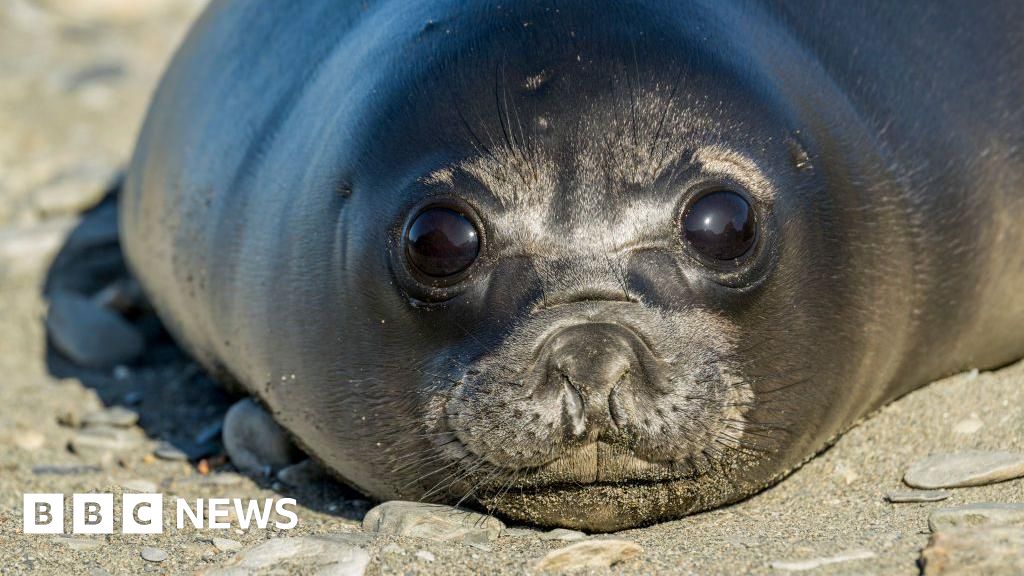
Bird flu is estimated to have killed 13,359 of 17,364 southern elephant seal pups on Heard Island, a mortality rate of more than 75%, with one area showing 97% pup deaths. The H5N1 strain also caused above-normal deaths in king and gentoo penguins, while albatrosses and other endemic species were not unusually affected. The findings suggest continued eastward spread of H5N1 into Australia’s sub-Antarctic territories, raising biosecurity concerns but with limited direct market impact.
The immediate market read is not about direct exposure to the wildlife event; it is about how fast biosecurity risk can reprice Australia’s “clean island” premium. A confirmed eastward march of H5N1 into Australian external territories increases the probability that mainland surveillance, quarantine, tourism, and agricultural preparedness spending get front-loaded over the next 3-12 months, which is incrementally supportive for biosecurity/testing vendors and contractors with government exposure.
Second-order, the bigger economic risk sits in poultry and egg supply chains rather than the headline wildlife loss. Markets often underestimate how quickly a single detection can force movement controls, culls, and export certification frictions; the key inflection is not the first case, but the first mainland proximity event. If that happens, feed producers, processors, cold-chain logistics, and consumer staples with egg/chicken input exposure could see margin pressure within weeks, while defensive grocers may gain modest pricing power if shelf availability tightens.
The contrarian angle is that the current impact may be overextended in rhetoric but underpriced in sequencing. Bird flu in remote sub-Antarctic fauna does not translate mechanically into mainland human or agricultural contagion, and the most likely near-term outcome is more monitoring than disruption. That said, the policy response can be more important than the epidemiology: governments tend to over-insure after visible wildlife die-offs, so procurement and surveillance spend could rise well before any domestic outbreak, creating a tradable window in beneficiaries before the broader market assigns probability to mainland spread.
AI-powered research, real-time alerts, and portfolio analytics for institutional investors.
Request DemoOverall Sentiment
strongly negative
Sentiment Score
-0.75
