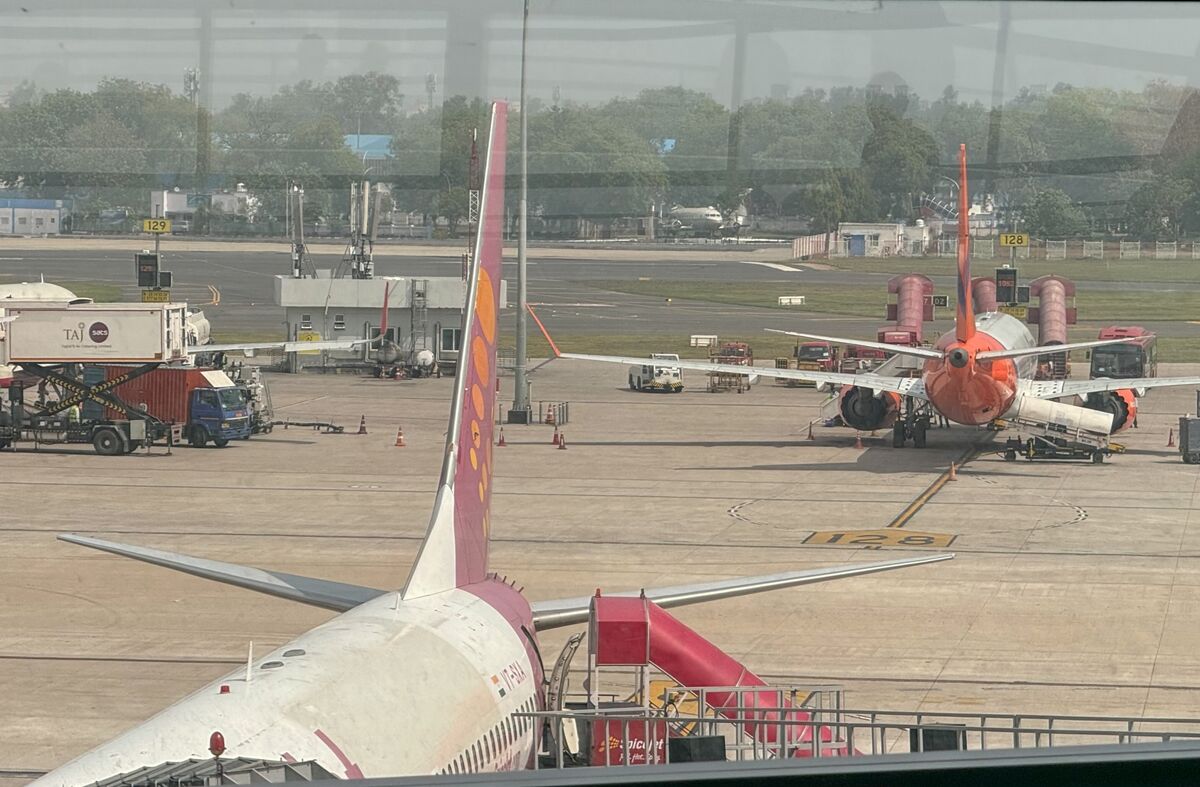
India’s state-owned oil refiners left jet fuel prices unchanged for local flights after airlines asked for a pause on further hikes. The move offers near-term relief to carriers already facing pressure from fallout linked to the Iran war. The article is largely a pricing update with limited immediate market impact beyond India’s aviation sector.
This is a margin relief event for Indian airlines, but the bigger signal is that downstream pricing is becoming a policy variable rather than a pure pass-through of crude and FX. That matters because aviation fuel is typically one of the fastest channels by which geopolitical shocks hit domestic demand; by delaying the pass-through, refiners are effectively transferring working-capital pressure back onto the state balance sheet and preserving near-term traffic volumes. The second-order winner is the broader travel ecosystem—airports, OTAs, and discretionary consumption proxies—because ticket pricing power is less likely to be tested in the next few weeks.
The market is probably underestimating the asymmetry between a temporary price freeze and a sustained input-cost shock. If the Middle East risk premium stays elevated for several months, airlines can defer pain but not eliminate it; the eventual catch-up usually arrives as a step-up in fares, ancillary fees, and capacity discipline. That creates a lagged earnings risk for carriers with weaker load factors or higher domestic mix, while stronger operators with better hedging and loyalty revenue should absorb it more cleanly.
Contrarian view: the absence of an immediate hike may actually be bearish for the most visible inflation-sensitive parts of the market, because it reduces the urgency for demand destruction and keeps flying behavior intact. In other words, policy smoothing can extend the duration of higher crude without triggering the usual volume response. The key catalyst to watch is whether refiners continue to absorb costs for weeks versus only days; if they do, it implies political pressure is rising and margin sacrifice will eventually spill into other fuel products or into airline pricing.
From a trading perspective, the cleanest setup is relative rather than directional: long airlines with stronger balance sheets and short weaker domestic transport beneficiaries that depend on cheap fuel and stable fares. The timing is tactical over 1-4 weeks, but the risk/reward worsens quickly if crude retraces or if the government signals direct support, because that would remove the margin squeeze thesis before it can transmit into earnings revisions.
AI-powered research, real-time alerts, and portfolio analytics for institutional investors.
Request TrialOverall Sentiment
neutral
Sentiment Score
0.05
