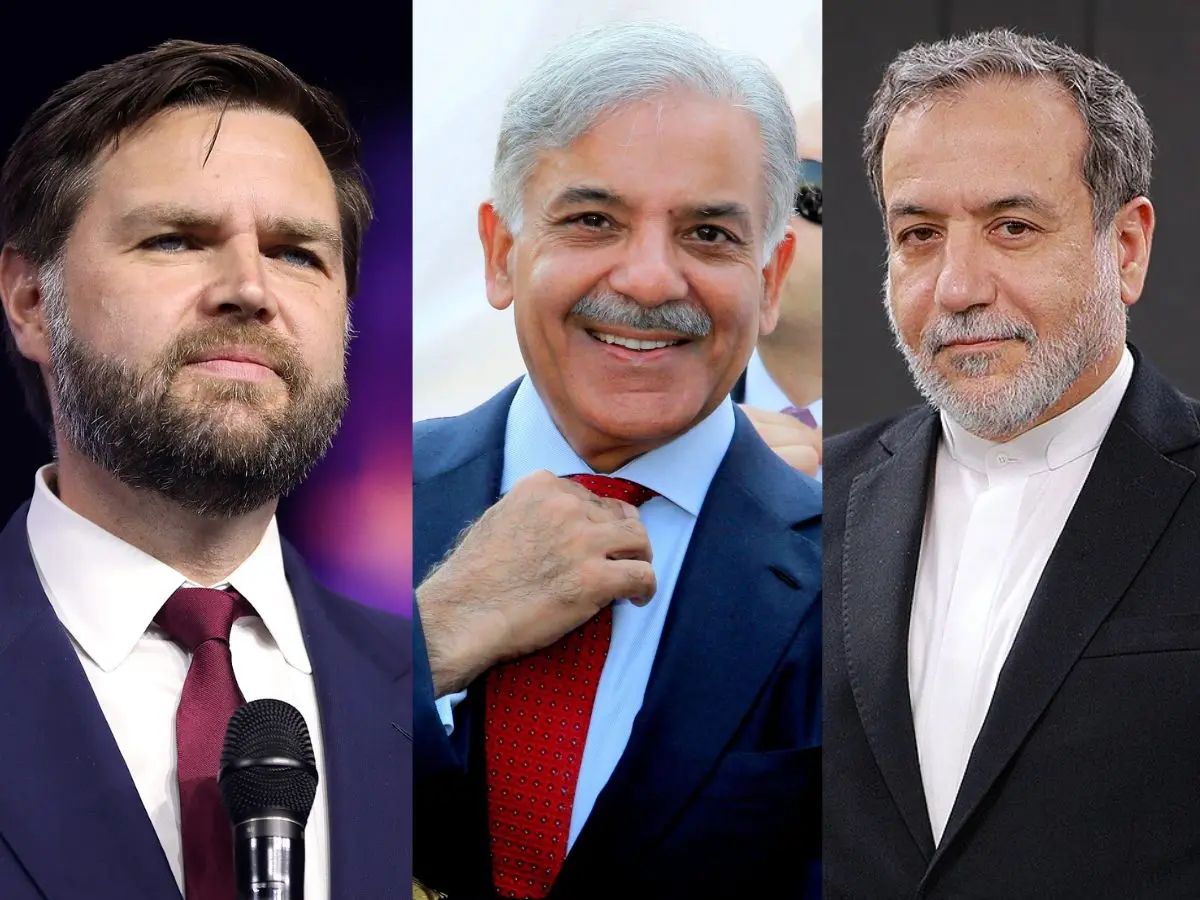
High-level US-Iran talks have opened in Islamabad amid a fragile two-week ceasefire, reflecting elevated geopolitical risk after years of escalating confrontation. The article cites repeated US sanctions, nuclear-site strikes on Fordow, Natanz, and Isfahan, and February 2026 attacks that killed Supreme Leader Ayatollah Ali Khamenei, followed by Iranian missile retaliation and disruption of the Strait of Hormuz. The risk to global oil flows and broader Middle East stability implies significant market-wide downside for energy, defense, and risk assets.
The market is underpricing how quickly this kind of diplomacy can reprice the energy risk premium even if it fails. The key transmission is not an immediate supply hit but the probability of Hormuz disruption, which historically matters more for prompt crude, tanker rates, LNG freight, and regional insurance than for long-dated commodity curves; that means the first trade is usually in front-end energy volatility rather than in the underlying outright price.
Pakistan’s role as facilitator matters because it creates a plausible off-ramp for backchannel concessions, but that also raises the odds of a headline-driven whipsaw rather than a clean de-escalation. In other words, the base case is not peace; it is a sequence of partial pauses, leaks, and abrupt reversals that keeps defense and sanctions enforcement assets bid while leaving energy markets vulnerable to gap risk on any failed session.
The second-order beneficiary, if talks stall, is not just US defense primes but every non-Iranian producer with spare capacity and every logistics provider exposed to rerouting around the Gulf. The loser set broadens to frontier and import-dependent EMs via higher oil, wider current-account deficits, and tighter financing conditions; that channel usually shows up with a 1-3 month lag in FX and sovereign spreads, then feeds back into global risk appetite.
Contrarian read: the consensus is likely too focused on the possibility of a breakthrough and not enough on the credibility problem created by prior escalation. If either side uses talks primarily to buy time, the real trade is a volatility regime shift, not a directional macro call: sustained geopoliticized commodity variance with repeated drawdowns in risk assets whenever the market tries to fade the conflict premium.
AI-powered research, real-time alerts, and portfolio analytics for institutional investors.
Request DemoOverall Sentiment
strongly negative
Sentiment Score
-0.82
