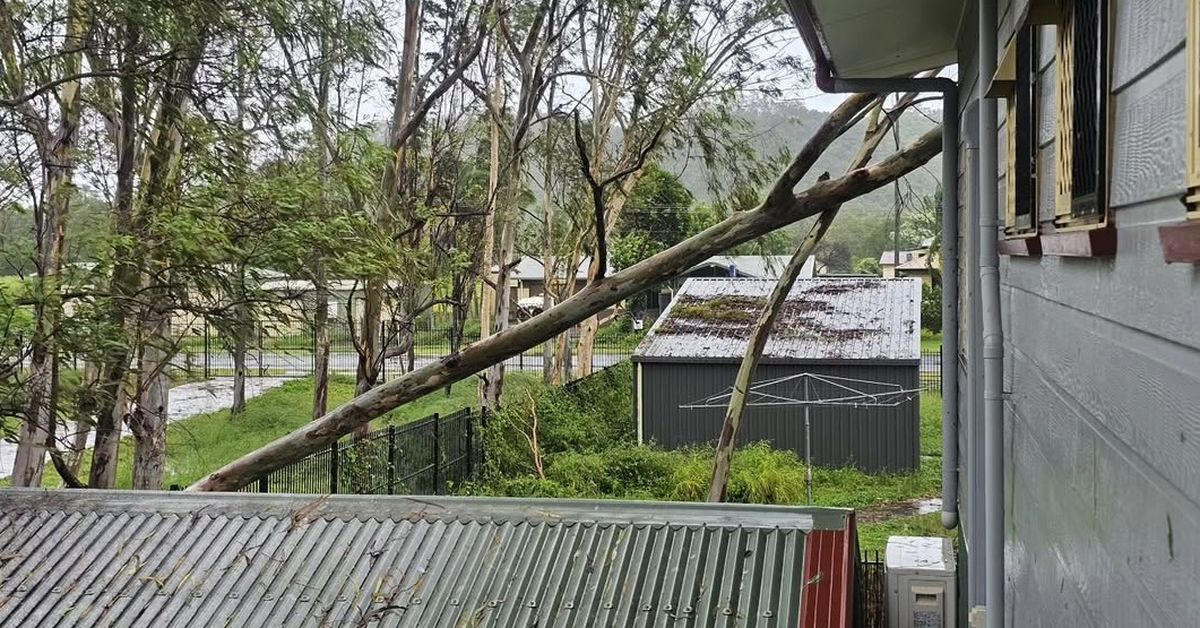
About 230 homes are without power in the Cook Shire Council area (including 70 in Lockhart River) after an event prompting emergency alerts for fallen powerlines; emergency services are on the ground in Coen and Cooktown. Queensland's Premier David Crisafulli pledged immediate transition from response to recovery and will provide further infrastructure damage updates this afternoon; there are no reported fatalities or serious injuries to date.
This event is small in headline scale but functionally diagnostic: it exposes fragility in remote Queensland transmission and logistics that routinely creates outsized procurement and political responses. In remote shires, even a few hundred customers without power can trigger emergency contracting, rapid call-outs for generation/lines crews, and expedited material deliveries — contracts that convert to cash for regional contractors within 1–6 months.
Second-order winners are firms with pre-positioned crews, regional depots, and existing framework agreements with state governments; these firms capture high-margin, fast-turnaround work while smaller local players are often crowded out. Conversely, property & casualty carriers with concentrated Queensland exposures (and thin reinsurance structures for serial events) face front‑loaded claims in the next 30–90 days, even if aggregate national impact is modest.
Politically, the “no daylight” pledge raises the probability of accelerated capital releases and standing-up of urgent maintenance budgets ahead of any near-term state election — procurement windows compress to 3–12 months and favor counterparty size and compliance capacity. The biggest tail risks are (1) escalation — additional weather events broadening losses into the cyclone season, which would push insurer losses and contractor demand materially higher over 3–9 months, and (2) policy changes that centralize awards to a single large integrator, which would concentrate upside to one or two names instead of many.
AI-powered research, real-time alerts, and portfolio analytics for institutional investors.
Overall Sentiment
neutral
Sentiment Score
0.00
