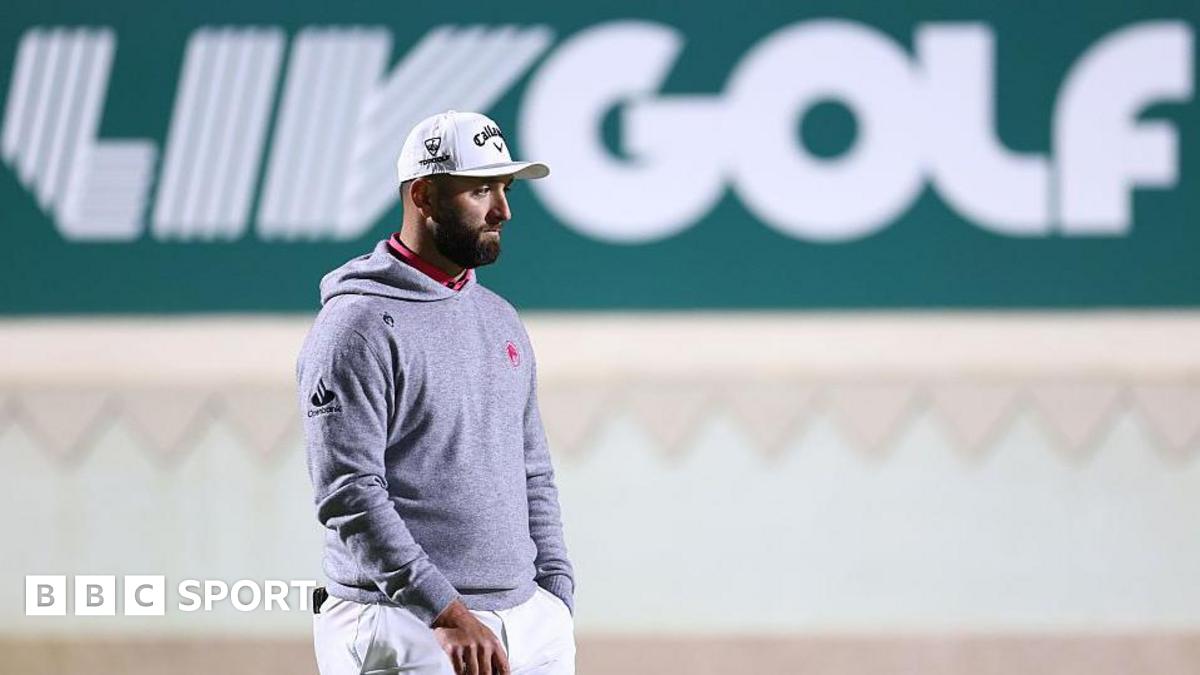
LIV Golf faces growing doubt over its future as reports suggest Saudi Arabia’s PIF may withdraw support after more than $5bn of backing, with 2024 losses outside the US rising to $462m and cumulative losses topping $1.1bn since 2021. Several sources believe 2026 could be its last season, despite management saying operations continue as planned and some revenue metrics improving. The article also signals a broader Saudi shift toward tighter capital allocation amid higher fiscal pressures and competing priorities such as the 2034 World Cup.
The market is likely underestimating how fast a sponsor-dependent sports property can reprice once the sovereign backstop becomes uncertain. The key second-order effect is not just LIV's operating viability, but the repricing of every asset class that depends on Saudi discretionary capital: player contracts, event-hosting commitments, and adjacent media/sponsorship ecosystems all become shorter-duration, lower-conviction exposures. In that regime, counterparties will start demanding more cash up front and tighter cancellation language, which pressures margins even if the tour survives in some reduced form.
For competitors, the biggest winner is the incumbent golf ecosystem: PGA and DP World Tour regain bargaining power with players whose alternative leverage just collapsed. That does not mean immediate migration, because the exit path is messy and expensive, but over a 6-18 month horizon it meaningfully improves the economics of talent retention, event fields, and media inventory for the legacy tours. The most vulnerable cohort is not the headline stars; it's the mid-tier LIV roster and the fringe commercial partners whose economics depended on a persistent spectacle premium.
On the sovereign side, this reads as portfolio triage rather than a broad retreat from sports. The likely pattern is capital reallocation toward projects with political utility and higher strategic visibility, which makes globally televised marquee events more durable than niche brand-building assets. The contrarian point: a forced retrenchment can be bullish for cash-flow discipline in Saudi sports over time, but it is negative in the near term for any asset priced on the assumption of unlimited subsidy. A disorderly unwind would also create legal and contractual friction that could last for quarters, not weeks.
The clean trade is to fade the continuation premium in Saudi-linked discretionary sports exposure while leaning into legacy tour normalization. The timing matters: catalysts are front-loaded around event-day disclosures and any PIF budget commentary, but the real repricing window is 1-3 months as counterparties reprice renewal risk. Any announcement that the tour has secured non-PIF capital would likely be a tradable squeeze, but absent that, the path of least resistance is lower.
AI-powered research, real-time alerts, and portfolio analytics for institutional investors.
Request DemoOverall Sentiment
strongly negative
Sentiment Score
-0.55
Ticker Sentiment
