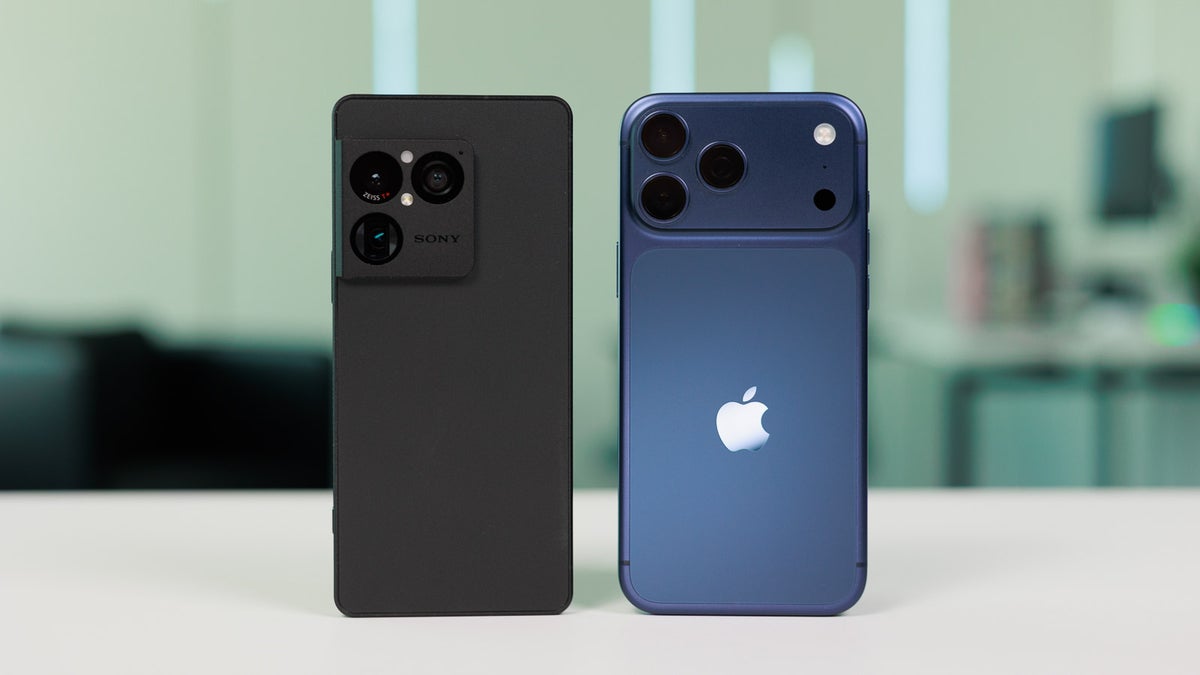
Sony's Xperia 1 VIII introduces a much larger telephoto sensor, bigger ultra-wide and telephoto sensors, and sensor cropping, but the article frames the handset as a camera comparison against the iPhone 17 Pro rather than a clear commercial breakthrough. The spec sheet shows Sony with 48 MP cameras across the rear array versus Apple's 48 MP trio, with Sony emphasizing more natural image processing and a 2.9x telephoto zoom versus Apple's 4.0x zoom. The piece is largely comparative and qualitative, with no sales, earnings, or guidance implications.
This is a modestly positive product-cycle read for SONY, but the bigger implication is competitive pressure shifting from “camera gimmicks” to sensor economics and software tuning. Sony’s move toward larger sensing areas in the telephoto stack suggests it is trying to close the practical gap in low-light zoom and computational consistency, which matters more for review scores than headline zoom ranges. That said, camera differentiation in premium smartphones tends to be a reputational lever, not a unit-demand driver, unless it changes carrier support or meaningfully lifts conversion in Asia and enthusiast segments.
For AAPL, the near-term risk is not share loss at the high end so much as erosion of “best camera” narrative in side-by-side comparisons, which can matter around launch windows and holiday gifting. Apple’s advantage is ecosystem lock-in and distribution, so the threat is second-order: if Sony forces Apple to spend more on imaging R&D or tune its processing stack more conservatively, that can compress incremental gross margin at the margin without showing up in units. The more material issue is that premium hardware competition may push Apple to defend differentiation via services bundling rather than component upgrades, which is typically margin-accretive but can slow feature cadence.
The contrarian read is that Sony may be better positioned on perception than economics. Better camera reviews can lift brand heat and support premium pricing, but the phone business is still too small to move consolidated earnings unless it improves attach rates in adjacent categories or reduces the loss profile of Xperia. The market should care more about whether this signals a broader imaging-led hardware strategy that strengthens Sony’s sensor ecosystem and content-device loop over the next 12-24 months, not whether it wins a single photo shootout.
Catalyst-wise, watch for independent review clusters and carrier/channel promotions over the next 2-6 weeks; that is where camera perception converts into actual sell-through. If Sony’s imaging improvements consistently outperform in low-light and portrait modes, it could create a short-lived halo that lifts Xperia visibility. If reviews conclude the gains are incremental, the trade fades quickly and the setup reverts to a niche enthusiast story rather than a share-taking threat.
AI-powered research, real-time alerts, and portfolio analytics for institutional investors.
Request DemoOverall Sentiment
neutral
Sentiment Score
0.12
Ticker Sentiment
