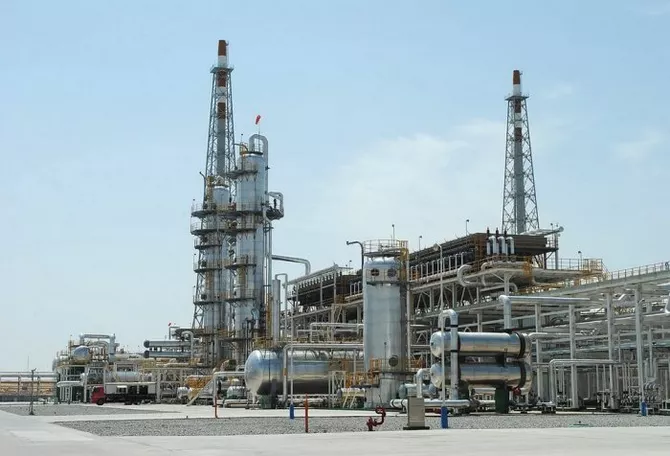
Turkmenistan launched the fourth phase of development at the Galkynysh gas field, including new drilling and a gas processing facility with capacity to handle up to 10 billion cubic meters of commercial gas annually. The expansion is aimed at boosting output and export potential, especially to China, while also creating jobs and deepening energy cooperation with CNPC. The project reinforces Turkmenistan’s position as a major gas supplier, but the immediate market impact is likely limited.
This looks less like a one-off project update and more like a durable supply-chain reinforcement for China’s Central Asia gas corridor. The second-order effect is that incremental Turkmen volumes can pressure regional spot and contract pricing at the margin, but the bigger winner is China’s downstream security-of-supply stack: pipeline operators, city gas distributors, and gas-fired power/utilities with exposure to stable imported molecules. For pure upstream, the project likely extends the life of a low-cost reserve base rather than creating a near-term price shock, so the tradeable impact is more about reduced volatility than a sharp commodity rerate.
The main beneficiary set is not broad energy equities but Chinese industrials that are structurally short energy input uncertainty. Lower perceived supply risk can support Chinese gas import infrastructure utilization and improve the economics of gas-heavy sectors relative to coal peers over a 6-18 month horizon. A subtler loser is alternative supplier optionality: if China deepens dependence on this corridor, leverage shifts away from LNG spot suppliers and away from producers relying on incremental North Asian demand to clear new supply.
The contrarian read is that the market may overestimate the immediacy of the added capacity. Large gas-field expansions often face ramp-up slippage, processing bottlenecks, and takeaway constraints, so the true pricing impact may not show up for multiple quarters. The more investable thesis is not a direct commodities move, but a gradual compression of risk premium in China’s gas balance, which is bearish for LNG volatility and supportive for refiners/power users that benefit from more predictable feedstock costs.
Tail risk is geopolitical rather than technical: any disruption in Turkmenistan-China cooperation, financing, sanctions sensitivity, or construction delays would push this back by 12-24 months and preserve LNG as the marginal balancing source. Near term, the catalyst to watch is whether contract volumes and processing timelines are confirmed; without that, this is a narrative-positive but cash-flow-light event.
AI-powered research, real-time alerts, and portfolio analytics for institutional investors.
Request TrialOverall Sentiment
moderately positive
Sentiment Score
0.55
