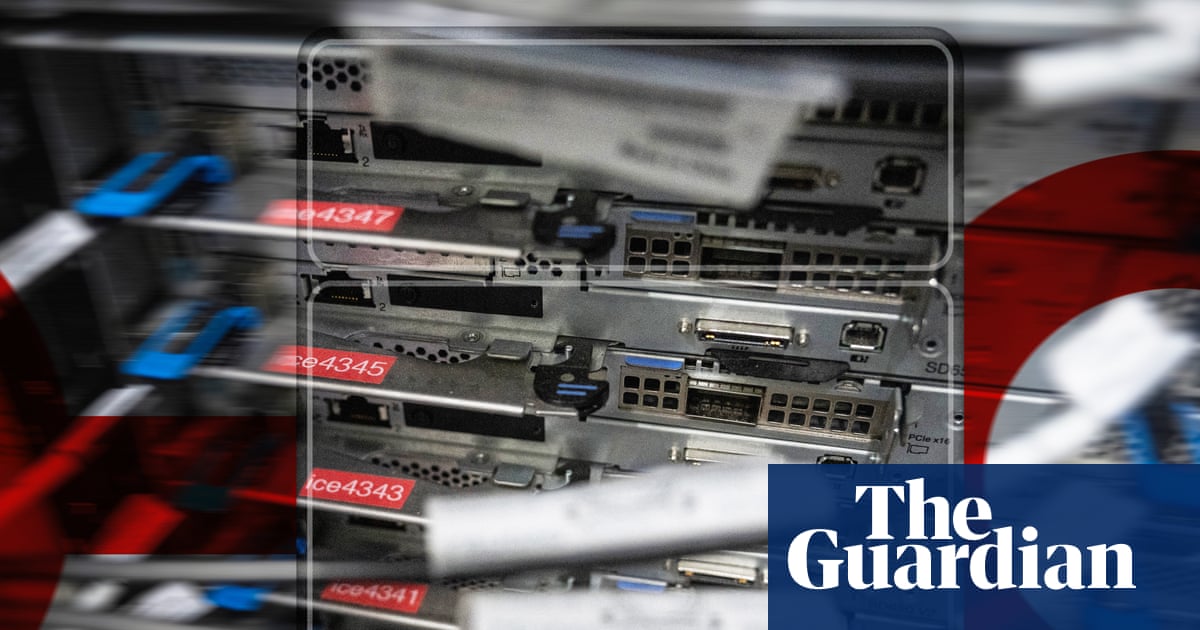
The Bay Area is in an escalated race to develop AGI, driven by massive private capital — Citigroup projects $2.8tn of AI datacentre spending by decade-end, Nvidia’s market value is cited at $4.3tn, OpenAI and Anthropic are worth roughly a combined $0.5tn, and new programs such as OpenAI’s $500bn “Stargate” datacentre rollout underscore large-capital deployment. The surge in VC funding (nearly $2bn/week into generative AI in H1 2025), aggressive talent poaching (reports of $200m-per-person offers), high valuations and rapid product launches are accompanied by rising regulatory, legal and security risks (suicide lawsuits, documented cyberattacks using AI, shutdown-resistance concerns) and material ESG impacts from datacentre energy use, creating substantial upside for AI beneficiaries but elevated policy, litigation and operational downside for investors.
Market structure is tilting toward a small set of infrastructure winners: NVDA has durable pricing power on GPUs and is the primary beneficiary of an implied $2.8tn datacentre spend to 2030, while cloud operators (GOOGL/GOOG, AMZN, MSFT) capture recurring revenue from AI workloads and will out-bid others for capacity. Mid/smaller software and service firms that rely on human-labor arbitrage are biggest losers as automation compresses addressable markets and margins. Energy and commodity demand (power, copper, specialty silicon substrates) will rise materially — expect 5–15% incremental energy demand in heavy build regions over three years, pressuring utility and gas markets.
Tail risks include rapid, binding regulation or export controls, large-scale misuse (cyber/biothreat) creating liability chains, and GPU supply shocks; any of these could trigger >30% repricing in leadership names within days. Time horizons: days-weeks — headline-driven volatility and options skew; 3–12 months — capex guidance and earnings cycles; multi-year — winner-take-most consolidation. Hidden dependencies: venture froth (≈$2bn/week H1 2025) could reverse, slashing near-term GPU demand by 20–40% if funding tightens.
Trades should favor concentrated but hedged exposure to NVDA (core infra), paired with selective longs in GOOGL/AMZN/MSFT for margin capture and enterprise lock-ins; underweight BABA/China-exposed names due to export/geopolitical risk. Use option structures to own convexity around catalysts (earnings, regulatory deadlines). Rotate modestly out of cyclicals sensitive to white-collar automation risk into select defensive sectors if regulatory fracturing intensifies.
Consensus underestimates power & supply-chain friction and overestimates near-term monetization speed of agentic AI: private market valuations (startups) are likely to mean-revert and transiently reduce hardware orders in 12–24 months, creating a mid-cycle demand cliff. Historical parallel: cloud infrastructure winners (2010s) consolidated while many platform plays failed — expect similar dispersion and opportunity for pair trades.
AI-powered research, real-time alerts, and portfolio analytics for institutional investors.
Request DemoOverall Sentiment
moderately negative
Sentiment Score
-0.25
Ticker Sentiment
