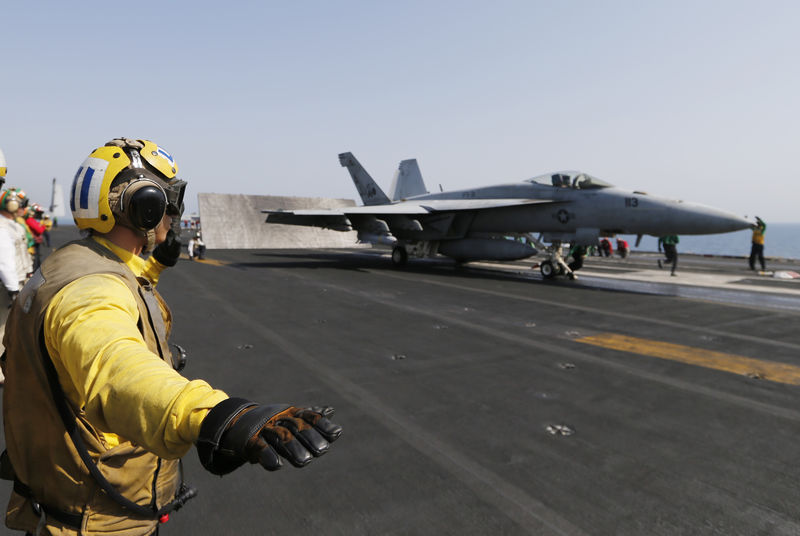
Four of five U.S. tanker aircraft at Prince Sultan Air Base were reported by President Trump to have suffered "virtually no damage" and are back in service, with a fifth sustaining limited damage and expected to return to operation soon. Earlier media reports and U.S. officials said Iranian missile strikes damaged several refueling aircraft on the ground, but Trump accused major outlets of misleading coverage. This is a factual containment of a localized military-asset incident (4/5 aircraft largely intact) with limited immediate market implications, though it remains a geopolitical risk monitor for defense and regional stability exposures.
Legacy media credibility shocks tend to compress monetization more through advertiser hesitation and incremental churn than through immediate subscriber cancellations; model a 3–6% revenue shock over 6–12 months for a national paper exposed in a trust controversy, with outsized downside if advertisers reallocate category budgets. That pattern benefits digital platforms and niche subscription publishers that can capture politically aligned audiences, while accelerating cost-cutting and legal/PR spend at incumbents.
Geopolitical friction around forward basing creates a clear multi-horizon demand signal for DoD spending on force protection, ISR, and aircraft sustainment: expect tactical spending reprogramming within weeks–months and platform recapitalization or surge MRO work over 1–3 years. Primes with integrated logistics and base-hardening product lines will see margin-accretive backlog growth, while specialist MROs and parts suppliers will get a near-term cadence of throughput-driven revenue.
Second-order supply-chain effects matter: higher demand for hardened shelters, counter-rocket systems, and depot-level maintenance will bid up long-lead electronic components and specialty fasteners, creating 3–9 month bottlenecks that favor contractors with deep supply agreements and vertical integration. Insurance/reinsurance premiums for assets in the Gulf will likely reprice, lifting operating costs for airlines and lessors that maintain forward-deployed fleets and creating an off-cycle win for contractors that offer hardened basing solutions.
Catalysts and reversal vectors are straightforward: a credible diplomatic de-escalation or U.S. public retraction would remove the defense-spend impulse within weeks and restore advertiser confidence within 1–3 months, reversing media selloffs. The most persistent outcomes are structural — accelerated sectoral ad-share shifts and multi-year defense capex — so position sizing and time horizon should reflect whether you’re trading headlines (days–weeks) or positioning for procurement cycles (months–years).
AI-powered research, real-time alerts, and portfolio analytics for institutional investors.
Request DemoOverall Sentiment
neutral
Sentiment Score
0.00
Ticker Sentiment
