
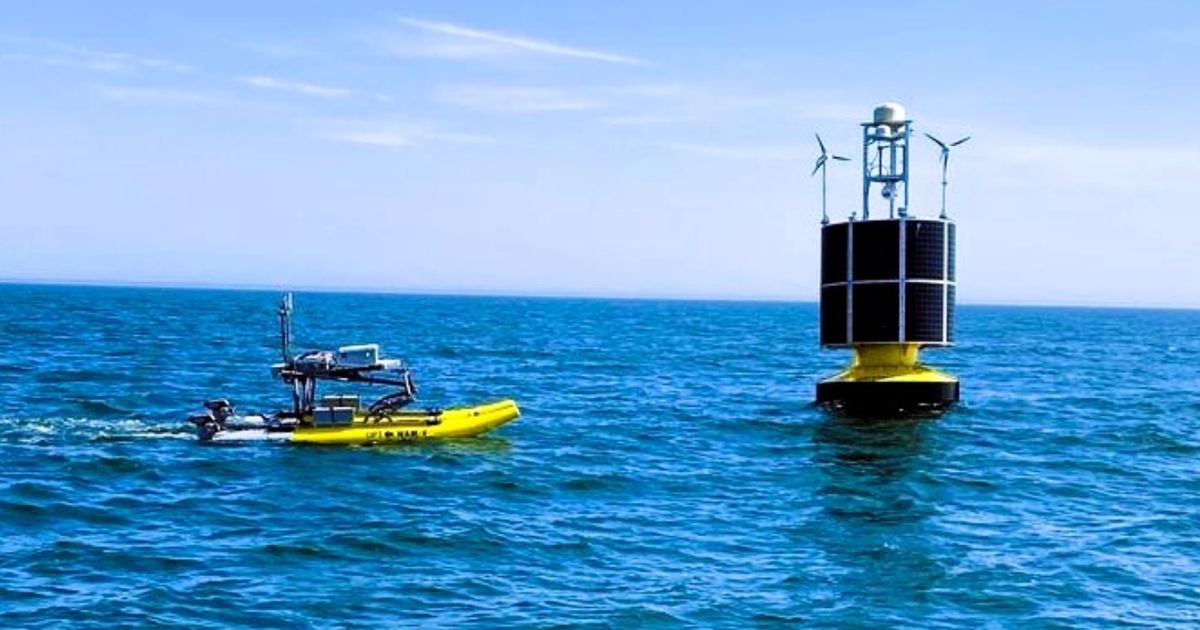
Ocean Power Technologies secured a follow-on contract with the U.S. Coast Guard to install and deploy previously announced buoys and is converting backlog into operational assets, enabling data streaming and recurring service revenues. The company has begun shipping assets to Greece as it expands into the Mediterranean while advancing a commercial offshore docking and charging solution for unmanned surface vehicles, which could broaden service, field-support and recurring-revenue opportunities as deployments scale.
Market structure: Ocean Power (OPTT) is a direct winner — incremental revenue from USCG and Greece deployments strengthens an installed-base-led services model and increases aftermarket revenue potential vs. one‑time hardware sales. Secondary winners include USV manufacturers, maritime autonomy software providers and defense integrators who need persistent power/docking; legacy offshore service providers (rig/offshore crew) are relatively at risk of gradual share loss in surveillance/monitoring work. Cross-asset: expect elevated equity volatility in OPTT (small‑cap news-driven), modest positive sentiment for small‑cap defense suppliers, limited immediate FX/commodity impact; corporate credit of small OEMs could face wider spreads if deployment capex rises.
Risk assessment: Tail risks include failed sea trials, Coast Guard budget reprioritization, permitting/insurance liabilities, or battery/anchor supply chain hits that delay deployments >90 days and force revenue slippage. In days: press‑release pops or fades; weeks–months: backlog conversion and first data deliveries are the prove‑it moments; 6–24 months: recurring services and docking‑charging commercialization determine whether revenue growth is sustainable. Hidden dependencies: vessel availability for installation, specialty battery suppliers, and mooring subcontractors; key catalysts are USCG operational data release and successful autonomous docking demo within 3–12 months.
Trade implications: Direct play — tactical long OPTT as a high‑beta small‑cap idea sized 2–3% of risk capital with disciplined stops (–30%) and a 12‑month target of +60–100% if deployments validate performance. Use a funded options hedge: buy a 9–12 month call spread (limit premium to 0.5–1.5% of portfolio) to cap downside while preserving upside; consider a pair trade long OPTT vs short XOP or a legacy offshore services ETF (size 1–2% hedged) to express structural rotation. Rotate 1–2% from traditional offshore oil services into marine autonomy/defense tech sectors (e.g., ARKQ holdings) and scale on deployment evidence over 30–90 days.
Contrarian angles: The market may under‑discount the long‑term TAM for offshore docking/charging (potentially multi‑hundred‑million SAM over 3–5 years) and under-price recurring service economics; conversely, consensus may overvalue single contract wins absent operational proof. Historical parallel: early EV charging infrastructure benefitted slowly from network effects — expect consumer (customer agency) and regulatory friction that can delay monetization. Unintended consequence: heavy inventory build to meet backlog could force short‑term dilutive financing if revenue recognition lags, so size positions assuming possible 20–40% drawdown before tech validation.
AI-powered research, real-time alerts, and portfolio analytics for institutional investors.
Request TrialOverall Sentiment
mildly positive
Sentiment Score
0.28
Ticker Sentiment
