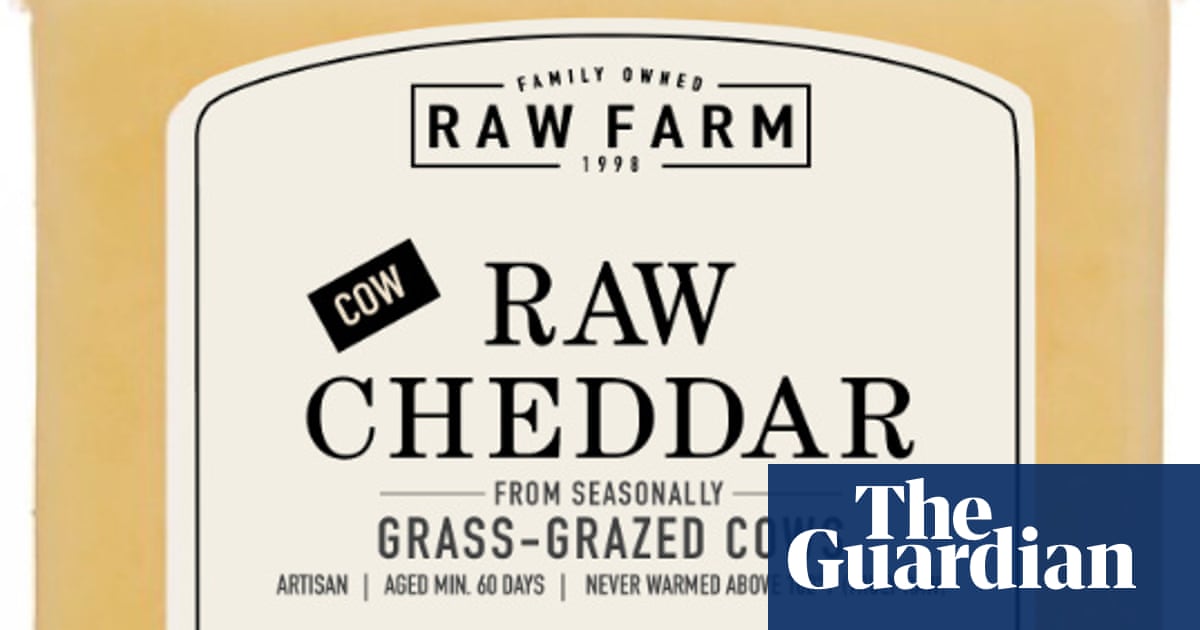
Seven people have fallen ill with E. coli O157:H7 between Sept 2025 and Feb (majority children aged three and under), with the FDA identifying Raw Farm raw cheddar as the “likely source” despite no Raw Farm products testing positive. Raw Farm has refused a voluntary recall and disputed FDA findings; California previously recalled Raw Farm raw milk products after retail samples tested positive for bird flu in Dec 2024. The situation raises regulatory and reputational risk for Raw Farm and could pressure raw-milk retailers and increase scrutiny from public-health agencies amid rising raw milk consumption.
Immediate market mechanics will be retail shelf reactions and accelerated testing spend rather than a broad collapse in milk demand. Expect quick delisting of niche SKUs at regional natural grocers within 3–14 days as risk-averse category managers prioritize liability control; that will re-route a small, ideologically-driven volume pool (low-single-digit % of total milk/cheese volume) back to pasteurized branded SKUs and substitutes, benefiting scale players with broad private-label programs.
Regulatory and litigation pressure is the primary medium-term tail risk (quarters to 18 months): states can expand retail surveillance and impose mandatory retail-testing programs, raising OPEX for small producers and retailers and increasing recall/legal reserve volatility for exposed brands. A single large class action or multistate recall can convert a niche-business impairment into a balance-sheet event for smaller processors — conservatively a $10–100m impairment range for mid-sized private labels — and will push insurers to reprice product-liability coverage for artisanal dairy.
Winners are concentrated service providers: rapid uptick in pathogen testing, on-farm biosecurity products, and contract lab capacity (weeks–months cadence) with durable revenue re-rating if programs become permanent. Losers are small processors, co-ops, and niche retailers reliant on product authenticity narratives; expect consolidation pressure, margin compression from compliance spend, and working-capital stress that will present M&A opportunities in 6–24 months.
Contrarian: the headline risk will likely be concentrated and transitory — the ideological consumer base for these products is sticky, and larger dairy and CPG players have minimal exposure. That argues for tactical, size-limited trades that exploit regulatory-driven services upside and short-duration retailer vulnerability rather than broad sector shorts.
AI-powered research, real-time alerts, and portfolio analytics for institutional investors.
Request DemoOverall Sentiment
moderately negative
Sentiment Score
-0.60
