
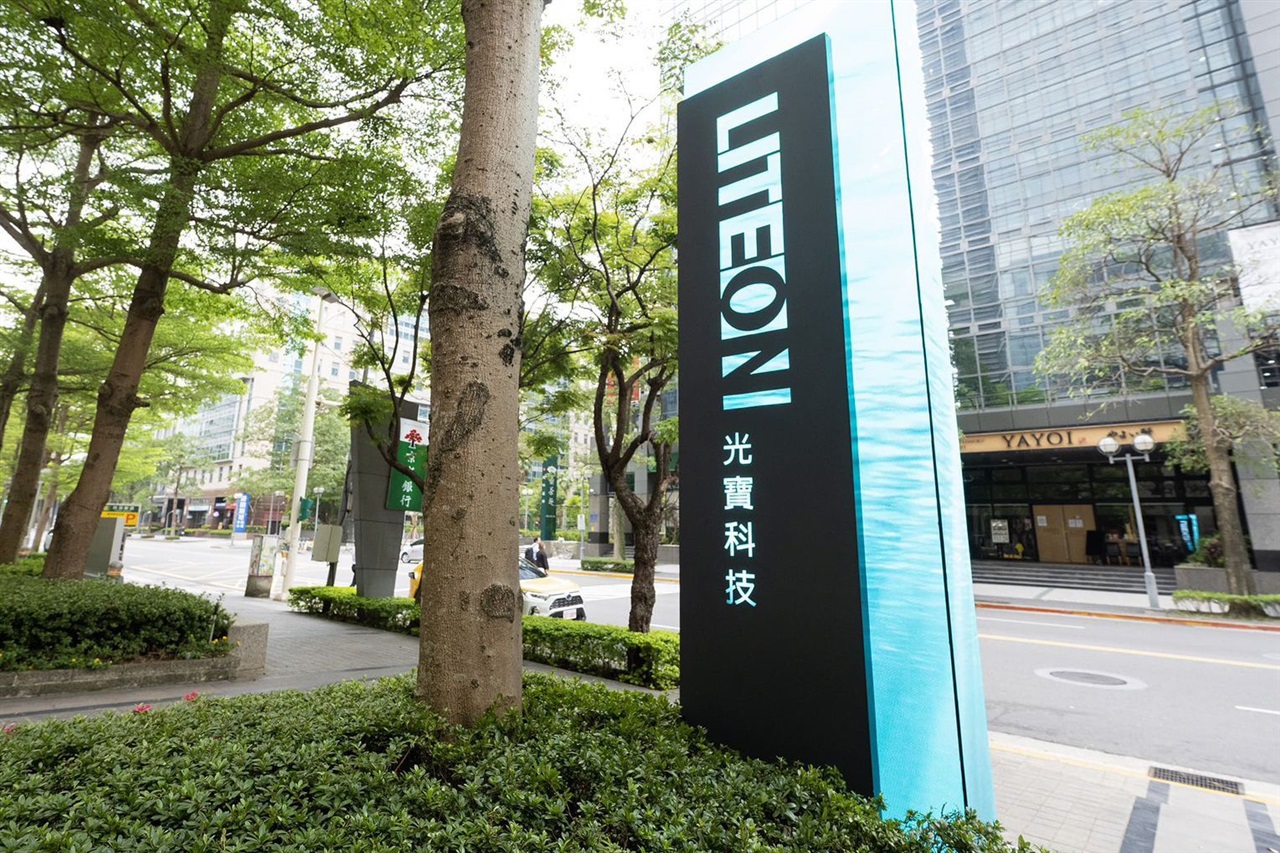
LITEON will showcase AI infrastructure spanning cloud, edge, and 5G at COMPUTEX 2026, including a liquid-cooled 800 VDC Power Rack for megawatt-scale AI deployments, a 110kW power shelf for NVIDIA Vera Rubin NVL72, and a 280kW in-rack CDU. The company is also highlighting open O-RU small cell and intelligent surveillance solutions, plus LEOTEK smart city traffic systems. The announcement is strategically positive for LITEON’s AI infrastructure positioning, but it is a product showcase rather than a financial update.
The important signal is not the product showcase itself but the validation of a faster enterprise procurement cycle for AI infrastructure: power, cooling, and edge networking are moving from bespoke engineering projects to repeatable platform sales. That is structurally favorable for NVIDIA because it widens the addressable deployment base for its rack-scale reference architectures, but the bigger second-order winner may be the component ecosystem that can monetize at multiple layers of the stack without needing to win the AI model race.
The near-term upside for NVDA is modest because the announcement is mostly demand-pull, not a revenue event, but it reinforces a longer-duration thesis that NVIDIA can extend share from accelerators into orchestration standards and systems design. The risk is that the market may already be capitalizing every AI-infrastructure proof point, so incremental upside will depend on whether these system-level partnerships translate into order backlog or only conference optics over the next 1-3 quarters.
A less obvious beneficiary is the liquid-cooling and power-conversion supply chain: if 800V rack architectures become the default for higher-density AI clusters, vendors with validated thermal and power subsystems should see pricing power improve before unit growth does. Conversely, traditional datacenter incumbents that are slow to support 800V and liquid cooling risk being disintermediated as hyperscalers standardize around fewer, more integrated rack designs. The contrarian view is that AI infrastructure remains constrained more by grid interconnection and installation timelines than by component availability, so the adoption curve may be lumpy even if the technology roadmap looks clean.
For LEOTEK-style smart-city applications, the opportunity is real but longer-dated: edge AI monetization tends to lag cloud adoption by 12-24 months and is vulnerable to municipal budget cuts or procurement delays. The catalytic path is a visible conversion from showcase to contracted deployment; absent that, the market may overestimate the near-term revenue contribution from edge and city AI relative to data center infrastructure.
AI-powered research, real-time alerts, and portfolio analytics for institutional investors.
Request TrialOverall Sentiment
mildly positive
Sentiment Score
0.45
Ticker Sentiment
