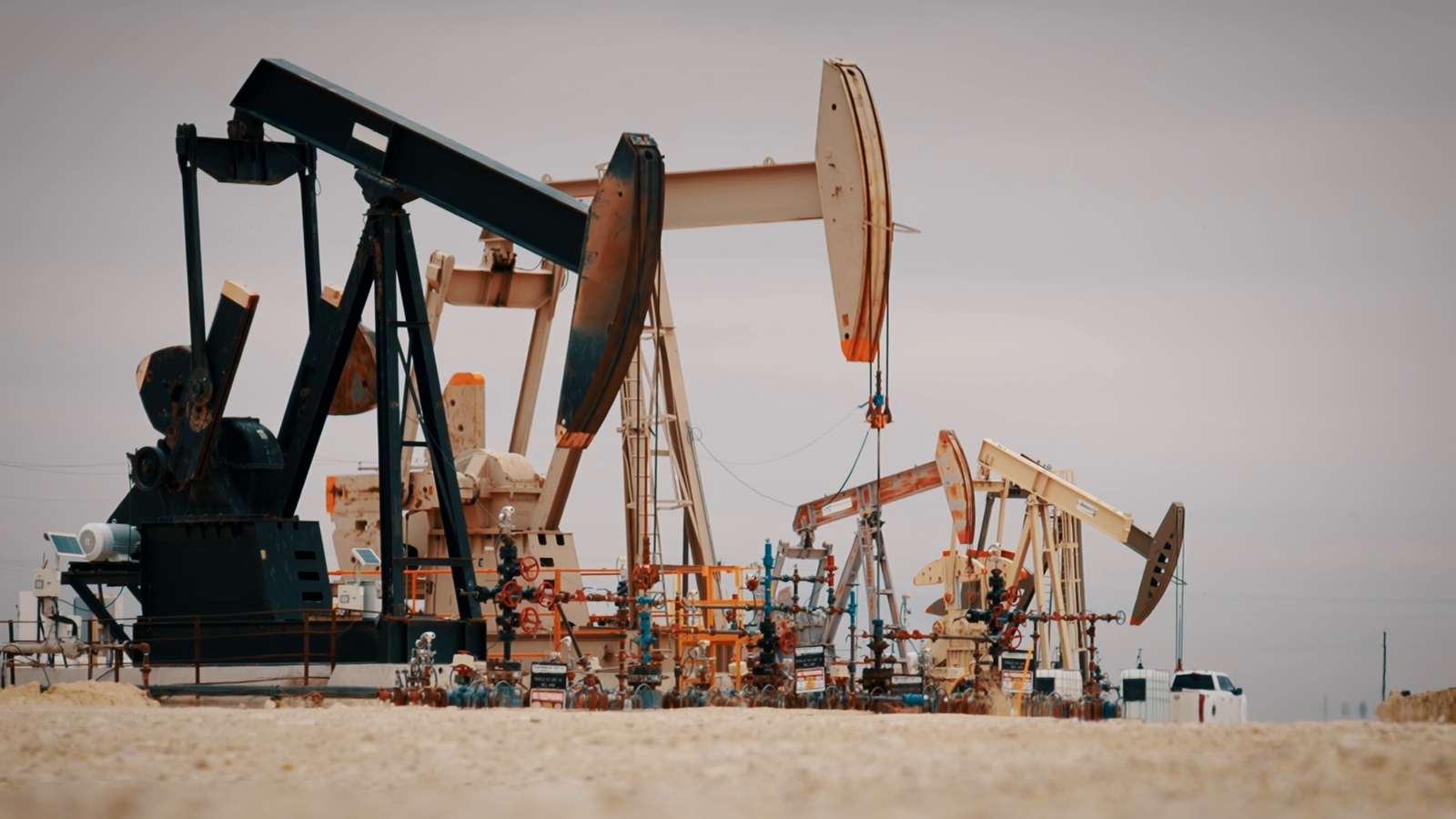
The article argues that a U.S. shale boom, driven by the Permian Basin, has made America less dependent on Middle Eastern oil and more able to sustain aggressive action in Iran. It notes that the U.S. pumped more oil and crude products than it consumed for the first time in decades last year, but also says producers are reluctant to sharply increase output because of high costs and limited natural gas pipeline capacity, leaving gas prices in the Permian in negative territory. Europe and Asia remain exposed to the Strait of Hormuz disruption and are increasingly reliant on U.S. fracked supply, though the article warns that American producers may not scale fast enough.
The key market implication is not simply higher US crude exports; it is the emergence of US shale as the marginal swing supplier for a geopolitical shock that Europe and Asia cannot easily self-insure against. That shifts pricing power toward Gulf Coast infrastructure owners and away from import-dependent refiners and utilities in the EU/UK, because the bottleneck is now more about midstream logistics and gas takeaway than headline drilling capacity. The first-order beneficiary is the pipeline/export complex, but the second-order winner is any US producer with acreage near existing takeaway and low decline rates, while higher-cost inland barrels remain stranded unless differentials widen enough to justify new capex.
The more interesting risk is that the market may be overestimating how quickly US supply can respond. Fracking is capital-intensive and service-constrained, so in the next 1-3 months the response is likely to come via price, not volume; if crude spikes, the immediate adjustment is widening basis differentials, rising DUC completions, and higher flaring rather than a clean surge in exportable liquids. The negative gas-price signal is important: it implies the shale complex is effectively subsidizing oil output by dumping associated gas, which is unsustainable if regulators tighten flaring rules or if gas takeaway projects are delayed into 2027-2028.
Contrarian view: the market may be too relaxed about the inflationary spillover. Even if the US is less vulnerable strategically, the consumer side still absorbs higher gasoline and diesel, which is politically toxic and tends to cap the duration of supply shocks. That means the best risk/reward is probably not outright long crude, but long the infrastructure that monetizes volatility and short the sectors most exposed to imported energy costs, with a six-to-twelve-month horizon before either diplomacy or demand destruction cools the trade.
AI-powered research, real-time alerts, and portfolio analytics for institutional investors.
Request DemoOverall Sentiment
mildly negative
Sentiment Score
-0.15
Ticker Sentiment
