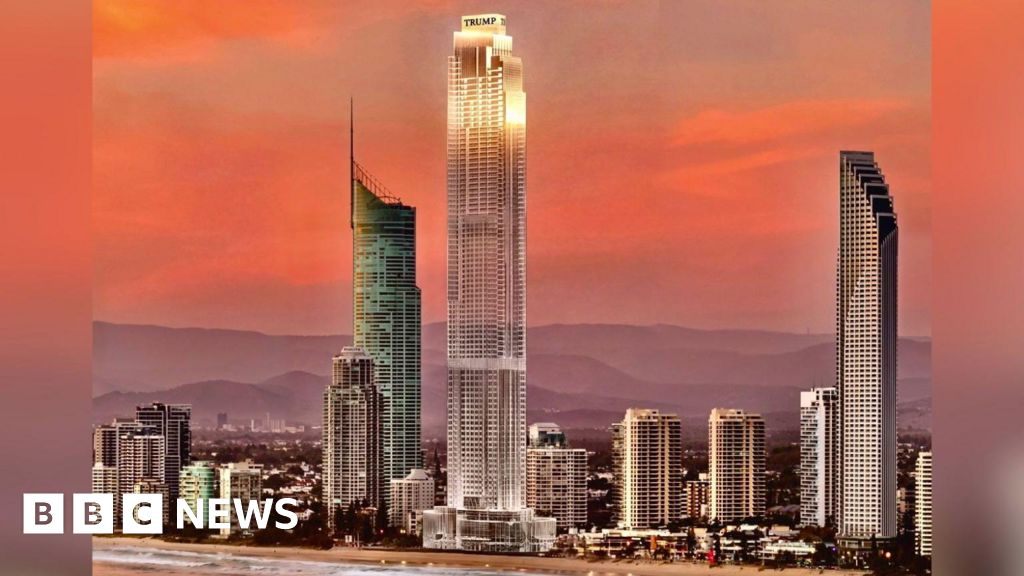
Plans for a A$1.5bn Trump Tower in Queensland have been scrapped just three months after announcement, with Altus Property Group saying the Trump brand had become 'toxic' in Australia amid the Iran war. The project had been slated to include a 91-storey, 335-metre hotel tower with 285 hotel rooms, 272 residential apartments, shops, restaurants and a beach club. The Trump Organization blamed Altus for failing to meet financial obligations, while Altus said other luxury brand options remain and the project is still live.
This is less about one tower and more about the fragility of branded-development economics when the brand becomes a liability. In luxury hospitality, the operator/logo often carries disproportionate pre-sales and financing value, but that value can flip negative when reputational risk raises absorption uncertainty, marketing costs, and political opposition. The immediate loser is any developer trying to monetize politically charged branding in affluent, globally connected coastal markets where local sentiment can gate approvals even when formal permitting is not yet the issue.
Second-order beneficiaries are likely alternative luxury flags and unbranded ultra-prime operators that can step in with lower reputational friction and better local optionality. That matters because the economics of high-rise mixed-use projects are already stretched by rates, labor, and insurance; removing a controversial brand may improve bankability more than it hurts pricing, especially if the sponsor can preserve the same unit mix without the brand royalty burden. Watch for nearby Gold Coast comparables and broader Australian resort/hotel pipeline names to benefit from capital rotating away from headline-risk projects.
The geopolitical overlay is a demand-shock risk for any US-linked consumer-facing brand in Australia over the next 6-12 months, especially if media attention keeps the association alive. The more interesting trade is not direct real estate exposure but the premium multiple attached to global lifestyle/management franchises: if political volatility can impair licensing economics, investors should discount royalty-heavy growth models with customer-facing brand sensitivity. The market may be underestimating how quickly local petition-driven opposition can become a financing issue, turning a branding story into a cost of capital story.
Contrarian view: the termination may actually improve project optionality if the sponsor can repackage the tower under a less polarizing luxury flag, potentially raising the probability of completion versus insisting on the original brand. If so, the equity impact on local developers could be neutral-to-positive once the overhang clears. The bigger risk is that this becomes precedent for other politically exposed luxury developments, compressing valuations for licensing-heavy hospitality platforms.
AI-powered research, real-time alerts, and portfolio analytics for institutional investors.
Request DemoOverall Sentiment
moderately negative
Sentiment Score
-0.35
