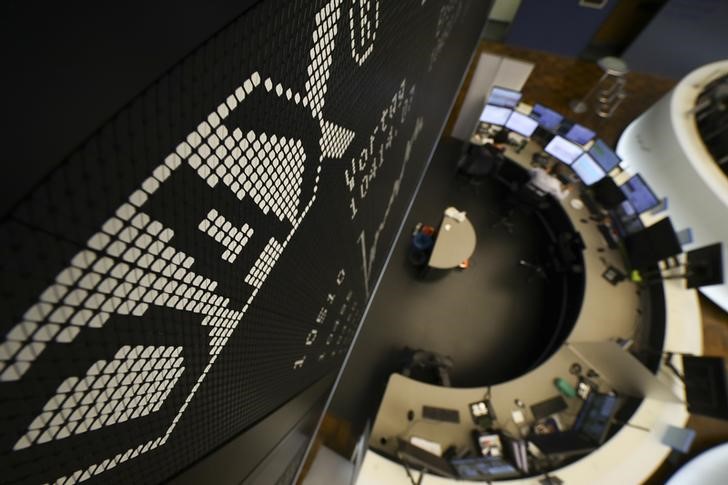
German equities rallied, with the DAX up 2.03% to a 3-month high, the MDAX up 2.30%, and the TecDAX up 1.46%. Risk assets were supported by a 5.25% drop in July crude to $91.53 and Brent’s 5.00% decline to $95.20, while the DAX volatility index fell 3.26% to 20.81, a 1-month low. Infineon hit 5-year highs and Delivery Hero reached 52-week highs, but the article frames the move as potentially limited if the Strait of Hormuz reopening eases geopolitical fears.
The market is pricing a relief-on-geopolitics impulse, but the larger signal is that the shock absorber is the macro regime, not the headline itself. When crude sells off sharply while equity volatility compresses, the first-order unwind is in energy beta; the second-order effect is a rotation toward rate-sensitive and cyclically exposed European exporters that benefit from lower input-cost pressure and a softer dollar. That is why the rally can continue in breadth even if the oil move looks dramatic in isolation.
The bigger issue is timing: a geopolitically driven easing of shipping risk usually helps growth assumptions before it helps earnings. If the market reads this as a de-escalation and begins pricing lower inflation, the duration trade can outperform more persistently than the raw “risk-on” trade. In that setup, defensives and energy are the vulnerable leg, while semis and industrials can keep extending because their multiple support comes from lower discount rates rather than immediate commodity savings.
The contrarian miss is that a reopening is not the same as a structural normalization. Even if flows resume, insurance costs, rerouting incentives, and precautionary inventories can keep a meaningful floor under freight and refined product spreads for months. So the equity reaction can fade if oil stabilizes above pre-crisis levels, but the more durable opportunity is in option structures that monetize volatility compression rather than outright directional equity beta.
For Germany specifically, lower oil and weaker implied volatility improve the earnings setup for transport, autos, and high-energy users more than for domestic cyclicals tied to China. The market may underappreciate how quickly margin relief can show up in guidance revisions over the next 1-2 quarters, especially for names with limited pricing power and high pass-through sensitivity.
AI-powered research, real-time alerts, and portfolio analytics for institutional investors.
Request DemoOverall Sentiment
mildly positive
Sentiment Score
0.15
